Gorilla Trekking Rules and Regulations in Uganda, Rwanda & DRC Gorilla trekking is a once-in-a-lifetime…
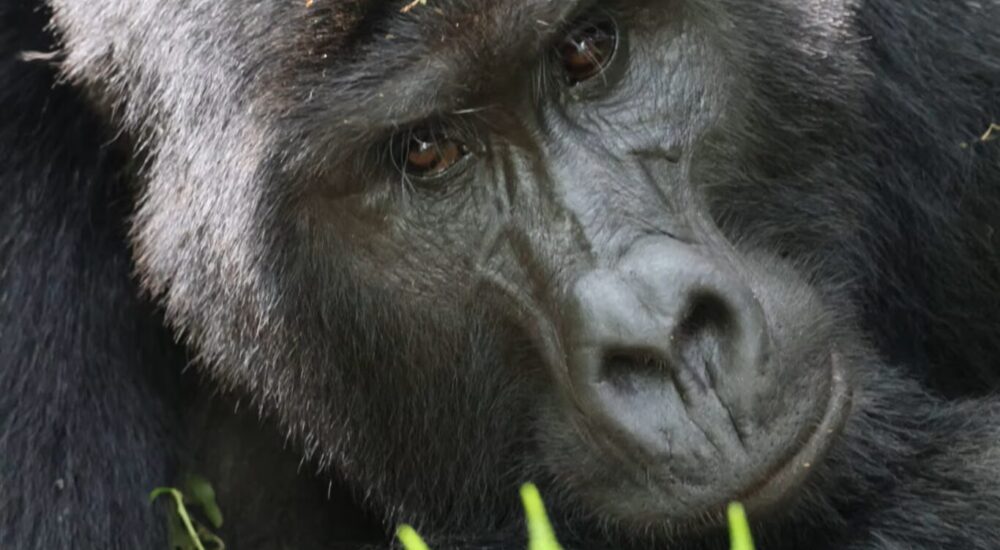
The Evolution of Gorilla Trekking in Uganda: From Conservation to Tourism
The Evolution of Gorilla Trekking in Uganda: From Conservation to Tourism
Introduction
Gorilla trekking in Uganda is an unforgettable experience that draws nature enthusiasts, wildlife lovers, and adventurers from around the world. The country’s stunning landscapes, combined with its rich biodiversity, make it an ideal destination for those eager to encounter the majestic mountain gorillas in their natural habitat. Over the decades, however, gorilla trekking has evolved into more than just a thrilling wildlife adventure. It has become an essential tool for conservation efforts, economic development, and sustainable tourism in Uganda.
In this blog, we will explore the fascinating journey of gorilla trekking in Uganda, from its origins in conservation efforts to its present-day role in shaping the country’s tourism industry. Let’s dive into the history, development, and future of gorilla trekking in Uganda, highlighting its importance in both conservation and sustainable tourism.
The Beginnings of Gorilla Trekking in Uganda
Early Encounters with Mountain Gorillas
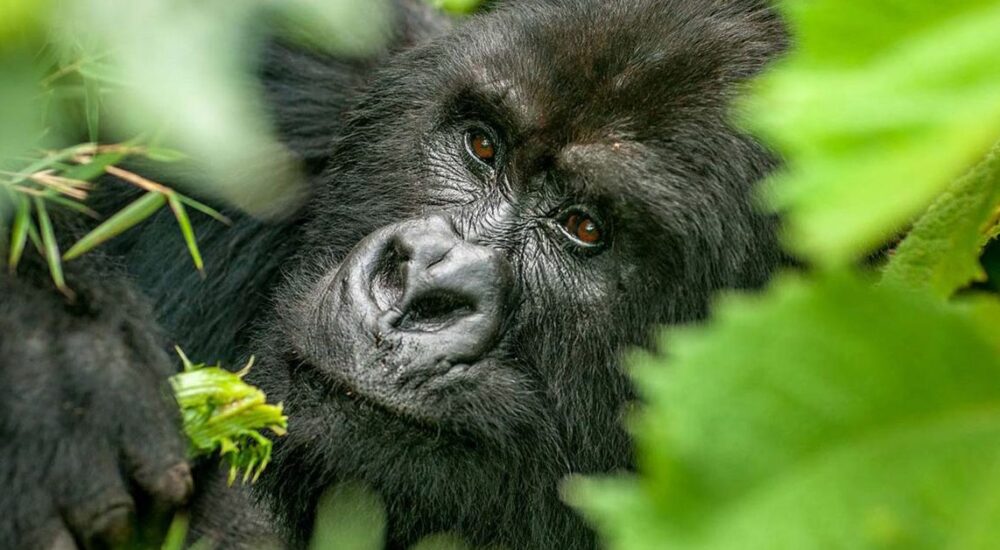
Before the rise of gorilla tourism, the mountain gorilla population in Uganda was struggling due to habitat loss, poaching, and disease. The species, scientifically known as Gorilla beringei beringei, is found primarily in the Bwindi Impenetrable National Park and the Mgahinga Gorilla National Park in Uganda. While gorillas had been known to inhabit these areas for centuries, it wasn’t until the mid-20th century that the world began to realize the importance of protecting these remarkable creatures.
The first official attempt to study and conserve the mountain gorillas in Uganda began in the 1950s. Researchers, including the famous zoologist George Schaller, carried out groundbreaking work that revealed much about the gorillas’ social behavior and habits. Schaller’s studies and those of other conservationists paved the way for the Uganda Wildlife Authority (UWA) to establish policies aimed at safeguarding the gorilla population.
The Role of Dian Fossey and the Global Awareness
In the 1960s, Dian Fossey, one of the most prominent figures in gorilla conservation, began her work with mountain gorillas in Rwanda. Her pioneering research in the Volcanoes National Park not only contributed to scientific knowledge about gorilla behavior but also brought global attention to the plight of these incredible animals.
Although Fossey’s work was primarily based in Rwanda, her advocacy for mountain gorillas had a significant impact on the neighboring countries of Uganda and the Democratic Republic of the Congo (DRC). The growing awareness of the gorillas’ endangered status led to the establishment of protected areas such as Bwindi and Mgahinga in Uganda, aimed at conserving their habitats and providing safe environments for the gorillas to thrive.
The Birth of Gorilla Trekking Tourism
The First Gorilla Treks in Uganda
The concept of gorilla trekking tourism began to take shape in the 1990s when the Uganda Wildlife Authority (UWA) recognized the potential for sustainable tourism to help fund conservation efforts. By offering tourists the opportunity to observe mountain gorillas in the wild, the government hoped to raise funds for the protection of these endangered species.
The first gorilla trekking permits were introduced in Uganda in 1993, allowing a limited number of visitors to trek into the dense jungles of Bwindi Impenetrable National Park to see the gorillas. Initially, the experience was exclusive to a small number of tourists, and only a few families of gorillas were habituated to human presence. However, as the demand for gorilla trekking grew, the number of gorilla families that could safely interact with humans increased, allowing more people to visit.
Conservation and Tourism: A Symbiotic Relationship
From the very beginning, gorilla trekking in Uganda was designed to be a symbiotic relationship between tourism and conservation. Revenue generated from the sale of trekking permits would be reinvested in the protection and management of gorilla habitats, anti-poaching efforts, and the welfare of local communities. This approach allowed eco-tourism to flourish, benefitting not only the gorillas but also the local population.
The Impact of Gorilla Trekking on Conservation
Boosting Gorilla Numbers
One of the most significant outcomes of the rise of gorilla trekking tourism has been the positive impact on the mountain gorilla population. Before the establishment of protected areas and the advent of eco-tourism, the mountain gorilla population was on the brink of extinction, with only around 250 individuals left in the wild by the early 1980s.
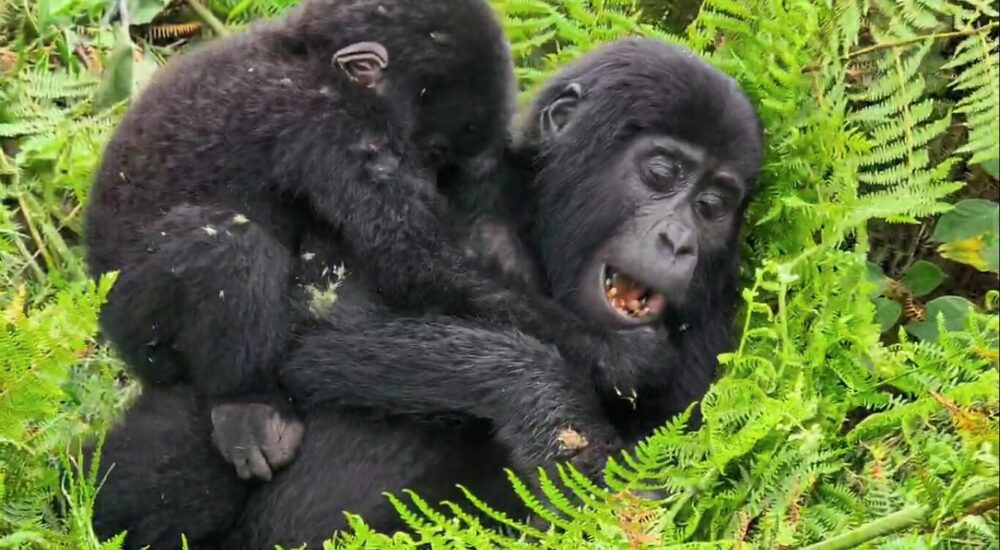
Thanks to dedicated conservation efforts, the mountain gorilla population has shown a remarkable recovery. As of recent estimates, there are over 1,000 mountain gorillas in the wild, with Uganda being home to approximately half of that population. The success of gorilla trekking has contributed significantly to this increase, as the influx of tourism revenue has allowed for better protection, improved habitat management, and a reduction in poaching activities.
Anti-Poaching and Habitat Protection
Gorilla trekking has also played a crucial role in funding anti-poaching initiatives and supporting the Uganda Wildlife Authority (UWA) in its conservation efforts. The funds generated from the sale of trekking permits help finance the salaries of rangers, the establishment of security patrols, and the maintenance of the parks where the gorillas live. This has helped curb the illegal activities that once threatened the gorillas’ existence.
Moreover, the revenue from gorilla tourism has facilitated the restoration and expansion of the gorillas’ natural habitats. The management of Bwindi Impenetrable National Park and Mgahinga Gorilla National Park now includes sustainable practices aimed at balancing tourism with the preservation of the ecosystem.
Community Involvement
The benefits of gorilla trekking tourism extend far beyond the gorillas themselves. Local communities surrounding Bwindi and Mgahinga have witnessed significant improvements in their livelihoods as a result of the tourism industry. Jobs related to tourism—such as guides, porters, hospitality staff, and souvenir vendors—have provided many families with reliable income.
The UWA and other stakeholders have worked to ensure that a portion of the proceeds from trekking permits is reinvested into local infrastructure, healthcare, and education. As a result, local communities have become strong allies in the conservation of gorillas, understanding that the protection of the animals directly benefits them.
Gorilla Trekking as a Sustainable Tourism Model
Growing Popularity of Gorilla Trekking
Today, gorilla trekking is one of the top wildlife experiences in the world, and Uganda remains a key player in the industry. The increasing number of tourists visiting Uganda to experience this unique adventure has brought economic prosperity to the country. Visitors can embark on treks that range from short, easy walks to more challenging hikes through the dense forests of Bwindi or the volcanic slopes of Mgahinga.
In addition to the incredible gorilla sightings, trekking through these parks offers the opportunity to experience Uganda’s diverse wildlife, including birds, elephants, and other primates. The combination of gorilla trekking and a rich ecological experience has made Uganda a sought-after destination for eco-tourism.
Ensuring Sustainability in Gorilla Tourism
As the popularity of gorilla trekking continues to rise, the challenge of maintaining sustainability becomes increasingly important. Uganda has taken proactive steps to ensure that the growth of tourism does not have a negative impact on the environment or the gorillas themselves. This includes:
- Limiting the number of permits issued each day to minimize the stress on gorilla families and their habitats.
- Strict regulations that govern the conduct of tourists, such as maintaining a safe distance from the gorillas and adhering to hygiene protocols to prevent disease transmission.
- Community involvement in tourism planning, ensuring that local populations have a stake in the industry’s success.
By promoting responsible tourism, Uganda is setting an example of how eco-tourism can be both a catalyst for conservation and a sustainable economic driver.
The Future of Gorilla Trekking in Uganda
Addressing New Challenges
While the future of gorilla trekking in Uganda looks promising, several challenges remain. Climate change, habitat encroachment, and human-wildlife conflict continue to threaten the gorillas’ natural environment. As temperatures rise and rainfall patterns shift, the forests where gorillas live may become less hospitable, forcing gorillas to migrate to other areas.
Additionally, as the number of visitors increases, there is growing concern about the impact of tourism on the environment and the gorillas’ behavior. It is vital for Uganda to continue monitoring and adjusting its tourism practices to ensure that they remain sustainable.
The Role of Technology and Research
Technological advancements in tracking and monitoring gorilla populations are helping conservationists better understand the needs of the gorillas and protect them from emerging threats. GPS tracking, drones, and genetic research are just a few tools that are being used to enhance the protection of mountain gorillas in Uganda.
Expanding Gorilla Trekking
Looking ahead, Uganda is exploring opportunities to expand its gorilla trekking experiences, including the possibility of offering treks in new areas and creating even more sustainable tourism opportunities. Partnerships with other East African countries to promote gorilla conservation across borders could also further strengthen the region’s position as a hub for gorilla tourism.
Conclusion
The evolution of gorilla trekking in Uganda has been nothing short of remarkable. From its early days as a conservation effort to its rise as a world-renowned tourism activity, gorilla trekking has played a pivotal role in preserving one of the world’s most endangered species. It has brought economic benefits to local communities, fostered international awareness of conservation issues, and provided a sustainable model for tourism that other countries are now seeking to replicate.
As Uganda continues to balance the demands of tourism with the need for conservation, the future of gorilla trekking looks bright. With continued investment in sustainable practices and community engagement, Uganda will remain at the forefront of global wildlife conservation while offering an unparalleled experience for those fortunate enough to see the mountain gorillas in their natural habitat.
If you’re considering embarking on a gorilla trek in Uganda, rest assured that you are not only making memories for a lifetime, but you’re also contributing to the protection of these incredible creatures for future generations.
Related Posts