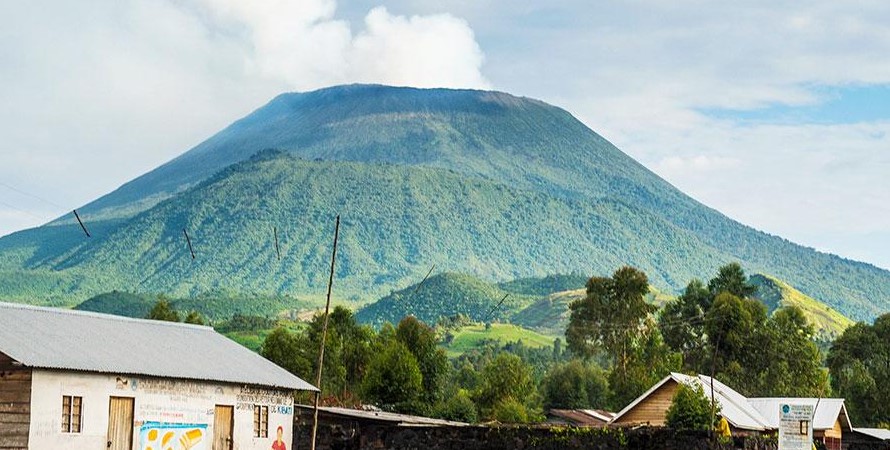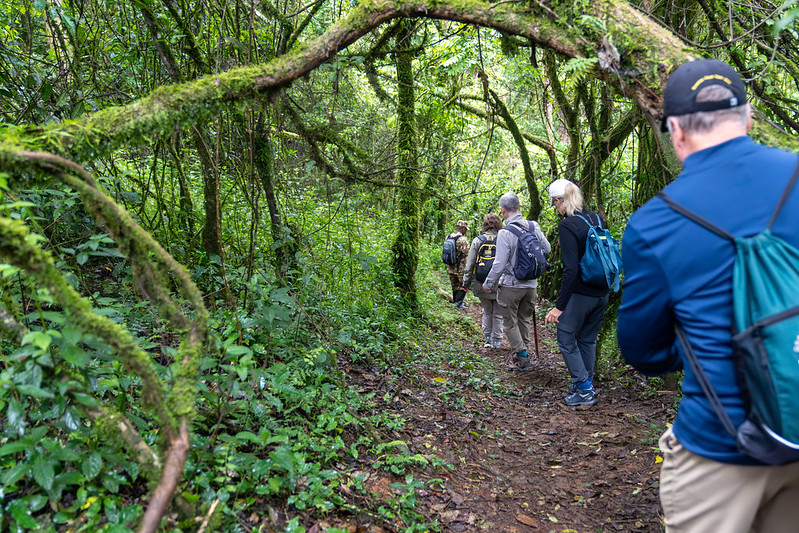
Hiking Mount Nyiragongo Volcano in Congo: The Ultimate Adventure About Mount Nyiragongo Mount Nyiragongo Volcano…
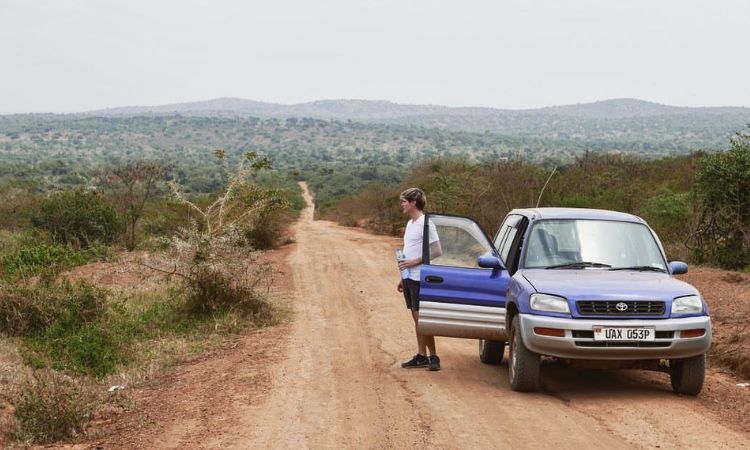
10 Important Tips on Driving in Uganda
Driving in Uganda: A Practical Guide for Visitors
Driving in Uganda can be both exciting and challenging, especially for those unfamiliar with local road conditions. This guide offers essential tips and practical advice to help travelers navigate Ugandan roads with confidence and safety.
1. Do I Need an International Driving License in Uganda?
No, an international driving license is not required. Visitors can use a valid driver’s license from their home country for up to three months in Uganda. Remember, driving in Uganda is on the left-hand side of the road.
2. Uganda Road Conditions
Major tourist routes in Uganda, particularly those from Entebbe Airport, are generally in good condition. Most roads are paved (asphalt), though they may include speed bumps and occasional potholes. The recommended speed is 80 km/h on highways, and 40 km/h in towns and national parks.
3. Dealing with Police Checkpoints
Encounters with traffic police—easily recognizable in white uniforms—are common. Although stories of corruption exist, most travelers report positive and friendly interactions with Ugandan police. Staying polite and calm helps ensure smooth communication. Female drivers may even receive humorous marriage proposals rather than fines. However, always respect speed limits, as penalties can be severe (up to $80 USD).
4. Drive Slowly and Avoid Long Distances in One Day
Unlike highways in Europe or North America, road conditions in Uganda can significantly slow travel times. A distance that might take two hours elsewhere can take much longer here. Plan your route carefully and allow extra time for stops, photos, and rest. A relaxed pace enhances safety and enjoyment.
5. General Road Safety Tips
-
Speed limits: 80 km/h on highways, 50 km/h in towns, and 30–40 km/h in national parks.
-
Drive defensively, and watch for unmarked speed bumps and potholes.
-
Avoid driving at night due to poor lighting and increased wildlife activity.
-
Always lock your vehicle and park in secure areas.
-
Carry cash in Ugandan shillings, drinking water, and a fully charged phone for emergencies.
6. Crossing Borders with a Rented 4×4 Vehicle
Traveling to neighboring countries like Kenya, Rwanda, or Tanzania is possible, but requires advance notice so that Monumental Expeditions and Safaris can prepare the necessary COMESA insurance and border documents. Rental cars are insured for damage and third-party liability, with a maximum deductible of €250.
7. Connectivity and Navigation
Uganda has reliable mobile service from providers such as MTN and Airtel, both supporting 5G. A local SIM card with data allows access to navigation tools like Google Maps and Maps.me. Monumental Expeditions and Safaris also provides detailed road maps to assist with navigation.
8. Breakdowns and Accidents
If your vehicle breaks down or is involved in an accident, Monumental Expeditions and Safaris offers on-site assistance and, if necessary, will provide a replacement vehicle within 24 hours. Stay calm, be flexible, and cooperate during roadside support. If you’re uncomfortable with the unpredictability of self-driving, consider booking a guided safari tour.
Park Animal Accident Fines:
| Animal | Swahili Name | Fine (USD) |
|---|---|---|
| Buffalo | Nyati | $1,900 |
| Elephant | Tembo | $15,000 |
| Giraffe | Twiga | $1,200 |
| Zebra Family | Familiya Zebra | $1,200 |
| Lion | Simba | $4,900 |
| Baboon | Nyani | $110 |
| Impala | Swala | $390 |
| Eland | Pofu | $1,700 |
| Civet Cat | Fungo | $200 |
| Warthog | Ngiri | $450 |
| Bush Buck | Pongo | $600 |
| Dik Dik | Gidigi | $250 |
| Leopard | Chui | $3,500 |
9. Why You Should Avoid Driving at Night
Night driving is strongly discouraged in Uganda due to increased wildlife activity, lack of street lighting, and poor visibility. Plan your trips to begin early in the day and ensure arrival before 6:30 PM, when it gets dark quickly. In villages and towns, remain cautious of pedestrians and livestock crossing the roads.
10. Expect the Unexpected
Always maintain a safe distance from taxis (locally called matatus), which may stop without warning. Honking usually signals that there is space for another passenger. Stay alert, keep emergency contacts close, and let your hotel or lodge know if you’re traveling to remote areas.
Most travelers do not encounter serious issues when driving in Uganda. However, being prepared, informed, and cautious ensures a safe and enjoyable self-drive safari with Monumental Expeditions and Safaris.
Related Posts