Top 10 Best-value Luxury Damaraland Lodges & Camps. One of the most beautiful areas of…
Birding in Kenya
Birding in Kenya: A Comprehensive Guide
Kenya is renowned for its safaris, particularly for observing large wildlife. However, birding in Kenya is equally captivating. The country boasts over 1,100 bird species, and a 3-week trip could reveal over 600 species, while a 4-week tour may uncover more than 800 species. With its diverse ecosystems, Kenya offers unique bird-watching opportunities, making it an exciting destination for birders.
Kenya’s Avifauna
Kenya is home to one of Africa’s richest bird populations, with 1,132 documented species. Some notable species include the Taita Thrush (Turdus helleri), Tana River Cisticola, and Taita White-eye (Zosterops silvanus). National endemics like Williams’ Lark (Mirafra williamsi), Sharpe’s Pipit, and Clarke’s Weaver are also found here.
About Birding in Kenya
Kenya is an essential stop for birders, with over 170 Palearctic migrant species, primarily from Eastern Europe, Russia, the Middle East, and Siberia. Around 60 species migrate from Madagascar and within the Afrotropics. The country is home to 335 species found in forests, with 230 species being forest-dependent and 110 requiring pristine habitats. Some species, such as the Tana River Cisticola, are classified as Data Deficient, while others, such as Sharpe’s Pipit, are Near Threatened.
Kenya’s varied geography plays a significant role in its bird diversity. The country is divided into five primary regions: the Highlands, Rift Valley, Western Plateau, Coastal Region, and Northern Plains. Each region offers distinct birding opportunities, with different ecosystems that support a wide variety of species.
The Kenya Highlands
The Kenya Highlands, which are divided into two sections on either side of the Rift Valley, experience more rainfall and cooler temperatures. This area is home to major population centers, such as Nairobi and Mt. Kenya. The Mau Forest, the largest forest in Kenya, is located on the western side of the Rift Valley. These highlands are particularly vulnerable to human activity, which affects both the forests and bird populations. Key birding destinations in this region include Nairobi National Park, Mount Kenya, and the Aberdares Mountains, which feature the Gatamaiyo Forest Reserve. On the western side, birding opportunities include the Molo Grasslands, Mau Narok area, and the Kongelai Escarpment.
The Rift Valley
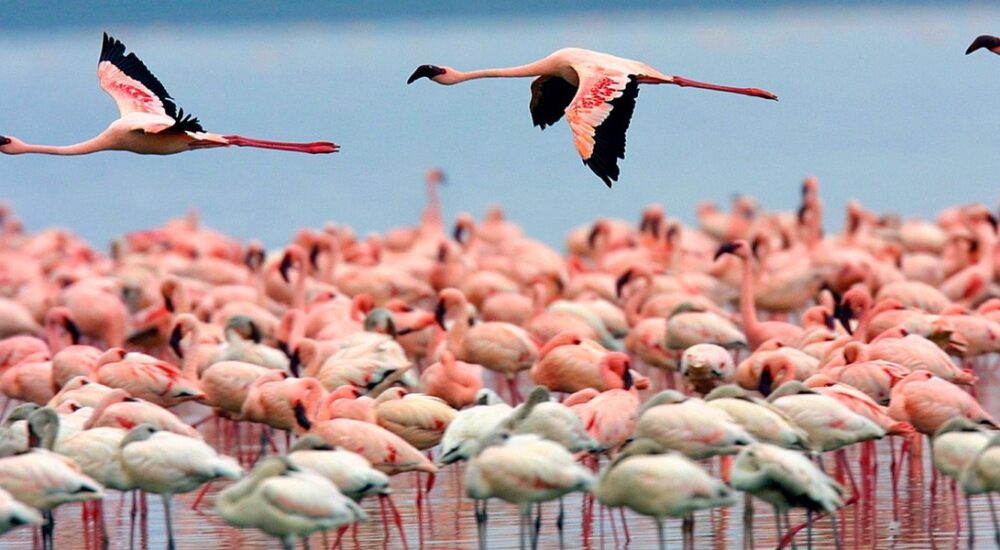
The Rift Valley, a major geological feature, stretches from northern Kenya’s Lake Turkana to northern Tanzania. The valley is home to both freshwater and alkaline lakes, with species of flamingos visiting the soda lakes, particularly at Lake Nakuru. Lake Naivasha and Lake Baringo, which are freshwater lakes, attract different species of aquatic birds. The ecosystem surrounding these lakes includes bushland and shrub, providing a variety of birding opportunities. The Serengeti Plains, which extend into Kenya, offer additional birding prospects. Nearly 500 bird species have been identified in the Masai Mara National Reserve.
The Western Plateau
Located between the eastern and western branches of the African Rift, the Western Plateau is characterized by escarpments, valleys, and rainforests. Kakamega Forest, the last remaining rainforest in Kenya, is home to 80 bird species found nowhere else in the country. The region’s altitudinal gradient increases bird diversity, with papyrus swamps and Lake Victoria’s shoreline providing habitats for specialized bird species. The Busia Grassland, located near the northeast side of Lake Victoria, is home to many isolated bird species, though it is under threat from agricultural activities.
The Coastal Region
Kenya’s Coastal Region is a low-lying area with a hot climate, characterized by river floodplains and plateaus. It is home to Amboseli and Tsavo National Parks, near the Tanzanian border. Shimba Hills National Park, located south of Mombasa, is known for its Sable and Roan Antelope as well as unique bird species not found elsewhere in the country. As one moves north toward Somalia, the coastline becomes drier.
The Northern Plains
The Northern Plains region, which stretches from Uganda to Somalia, is primarily dry. It includes Lake Turkana, the semi-desert savanna west of the lake, and the Chalbi Desert. The area is sparsely populated and has been subject to occasional border conflicts. However, tourist visits to the southernmost part of this region, such as Samburu Reserve, remain safe. Samburu is known for its semi-arid savanna, bush birds, and unique wildlife, including Beisa Oryx, Reticulated Giraffe, and Grevy’s Zebra.
Other Birding Destinations in Kenya
Kenya also contains parts of three Endemic Bird Areas: the Tanzania-Malawi Mountains (which are home to bird species found in the Taita Hills), the Serengeti plains, and the Jubba and Shabeelle valleys. Other important birding locations include Kakamega and Nandi woodlands, as well as Mount Kulal, which is home to the South Pare White-eye.
Birding Photography in Kenya
While most visitors come to Kenya for wildlife photography, there are numerous opportunities for birding photography. Notable bird species that can be captured include open-savanna birds like the Common Ostrich, bustards, and Secretary birds, as well as flamingos on soda lakes such as Lake Nakuru. Raptors such as the Bateleur and African Fish-Eagle are also great subjects for bird photography. During the mating season, species like whydahs and widowbirds put on colorful displays, offering fantastic photo opportunities.
Best Time for Birding in Kenya
The best time for birding in Kenya is between October and April, when more than 120 migrant species arrive from the Northern Hemisphere. During this period, the Rift Valley lakes and Amboseli attract large numbers of northern waterfowl, while Mida Creek and Sabaki Estuary host flocks of ducks. From April to October, the bird population shifts, with fewer migrants from the southern hemisphere and Madagascar. However, this is also the peak breeding season, making it an excellent time for spotting colorful species like weavers.
Travel Considerations for Birding in Kenya
When planning a birding safari, expect early starts around 6 a.m. and late finishes around 5 p.m. to make the most of the best birding hours. Midday is generally a time to relax or travel between locations. Many days will involve long drives, ranging from 4 to 6 hours, and packed lunches. While Kenya has a solid road network, some areas may be inaccessible during the rainy season, especially without 4WD vehicles.
Accommodation and Weather
Accommodations in Kenya are typically of good to excellent quality, with private en-suite bathrooms, hot water, and reliable electricity. The weather varies by region, with cooler temperatures in the highlands and warmer, humid conditions along the coast. The Rift Valley is generally dry and moderately warm.
Travel Requirements
A valid passport is required, with at least six months of validity beyond your planned stay. Most visitors will need a tourist visa, which can be obtained online for most nationalities.
Is Birding in Kenya Difficult?
Birding in Kenya is relatively easy, with most birding locations accessible via vehicle. Some walking may be required, especially in areas like Mt. Kenya and Kakamega Forest, but the trails are generally short and not too challenging.
In conclusion, Kenya offers an exceptional birding experience, with a variety of habitats that attract an impressive array of species. From the Rift Valley’s flamingo-filled lakes to the highlands’ forest birds, Kenya remains a top destination for bird watchers and photographers. Whether you’re exploring savannas, forests, or coastal regions, you’ll encounter a wide variety of birds, making Kenya a must-visit destination for birding enthusiasts.
Related Posts