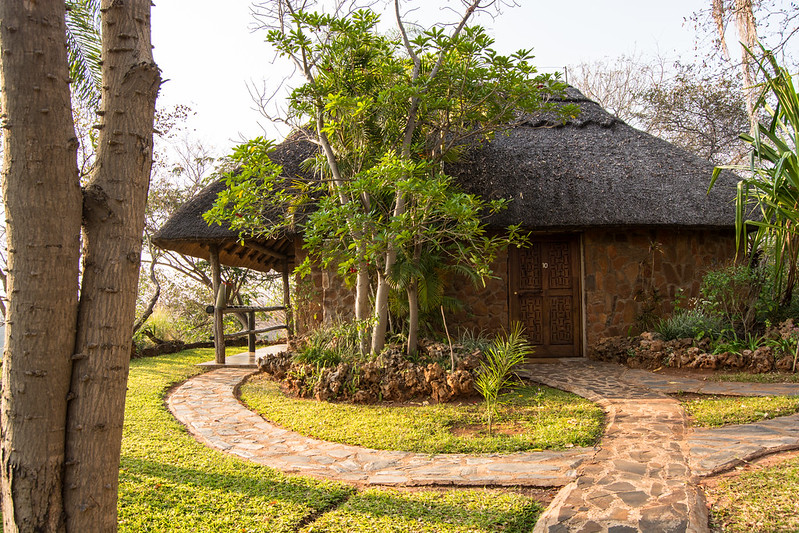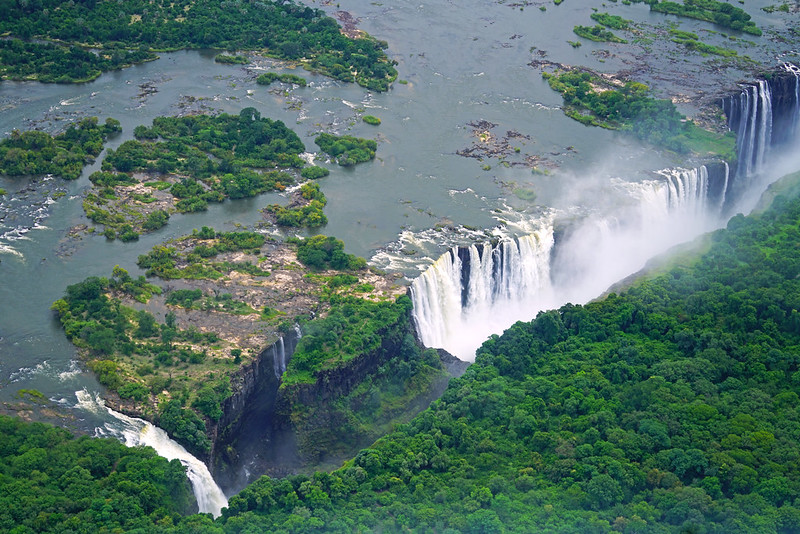
Top 10 Best Zimbabwe Luxury Safari Camps & Lodges. Greetings from Zimbabwe, one of the…
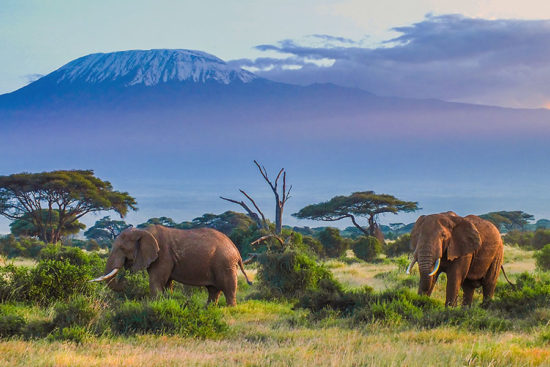
The Best time to visit Tanzania
Best Time to Visit Tanzania: A Month-by-Month Guide
Tanzania, located in East Africa, is a prominent member of the East African Community and ranks among the top African destinations for wildlife enthusiasts. With its abundant game parks and diverse landscapes, determining the best time to visit can depend on various factors, including the season and the type of experience you’re seeking. Below is a month-by-month guide to help you plan your visit to Tanzania.
Best Time to Visit Tanzania
Dry Season:
The dry season, typically from June to October, is considered the best time to visit Tanzania. During this period, animals are more easily visible as they congregate around water sources. The dry conditions also make it easier to navigate the game parks, and you’ll have a higher chance of spotting predators hunting their prey near waterholes.
While there is no universally perfect time to visit Tanzania, several months stand out as optimal depending on your interests. Let’s explore each month’s climate and conditions to help you plan your trip.
Month-by-Month Guide to Tanzania
January – February:
During January and early February, Tanzania experiences hot weather, especially along the coast. These months are dry, and it’s an excellent time for climbing Mount Kilimanjaro, as the conditions are mild. On the Ndutu Plains, it is calving season, and visiting at the end of January offers an opportunity to see large herds of wildebeest.
By February, rains start to fall in some areas, but they are typically brief and occur at night. This brings some relief from the heat and adds greenery to the landscape. This is also a great time to visit Zanzibar for a beach holiday.
March – April – May:
As the rainy season begins in March, the weather becomes wetter, though it rarely rains all day. This marks the start of the low season, with many hotels offering discounts. While it is a quiet time to visit, it’s also when the migrating herds start moving from Ndutu to Grumeti in western Tanzania.
In April, much of Tanzania is still wet, and the humidity increases, but the lush landscapes and wildflowers make it an excellent time for those who enjoy peaceful travel. However, trekking Mount Kilimanjaro is more dangerous during this time due to the wet conditions.
By May, the rains tend to taper off, and while the mainland is still wet, there are dry spells in some areas. However, wildlife may be harder to spot due to dense vegetation. May is not ideal for visiting Zanzibar, as it receives significant rainfall.
June – July:
The long rainy season ends by June, leaving Tanzania with lush greenery, which is perfect for birdwatching. By the end of June, the weather starts to dry up, making it easier to spot wildlife. The migration begins moving northward from the Grumeti River.
July marks the peak season, with elephants gathering in Tarangire National Park and the Serengeti migration moving north. The dry conditions and sparse vegetation make it easier to spot animals, and the temperature remains mild, between 20°C and 30°C. This is an ideal time for wildlife viewing.
August – September:
Tanzania is at its best in August with dry, cool weather, making it a great time for wildlife viewing. As animals search for water sources, guides can predict their movements, increasing your chances of seeing the Big Five. At Lake Natron, flamingos gather in large numbers, and turtles hatch on the beaches of the Indian Ocean.
September is the final month of the busy season. The dry conditions and good wildlife viewing opportunities make it a great time for a safari. It’s also the best time to visit Zanzibar for beach activities and diving. The Serengeti remains bustling with migratory herds, and dramatic river crossings can be witnessed as wildebeest and zebras cross the Mara River.
October – November – December:
October remains dry, making it a good month for safaris, trekking, and enjoying Tanzania’s beaches. Although it’s no longer peak season, there are still plenty of animals to see, and it’s a pleasant time to visit.
November marks the beginning of the brief rains, which are usually limited to the end of the month. The low season rates make it an attractive time to travel. The migratory herds start to move south from Kenya, and whale sharks can be spotted off Zanzibar’s coast.
By December, the brief rains end, and Tanzania enters the start of the peak season. The weather is mild, and it’s a great time to visit Zanzibar, climb Mount Kilimanjaro, or observe the wildebeest migration in the southern Serengeti. However, the period around Christmas can be busy and expensive, so early bookings are recommended.
Whether you’re interested in climbing Mount Kilimanjaro, experiencing the wildebeest migration, or relaxing on the beaches of Zanzibar, Tanzania offers something for every traveler year-round. For expert advice on when to visit and how to make the most of your trip, consider contacting Monumental Expeditions and Safaris for a personalized experience.
Related Posts