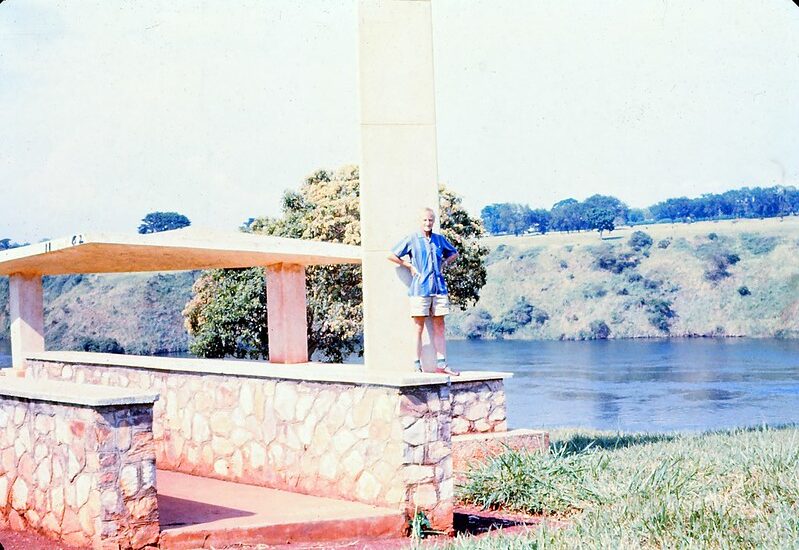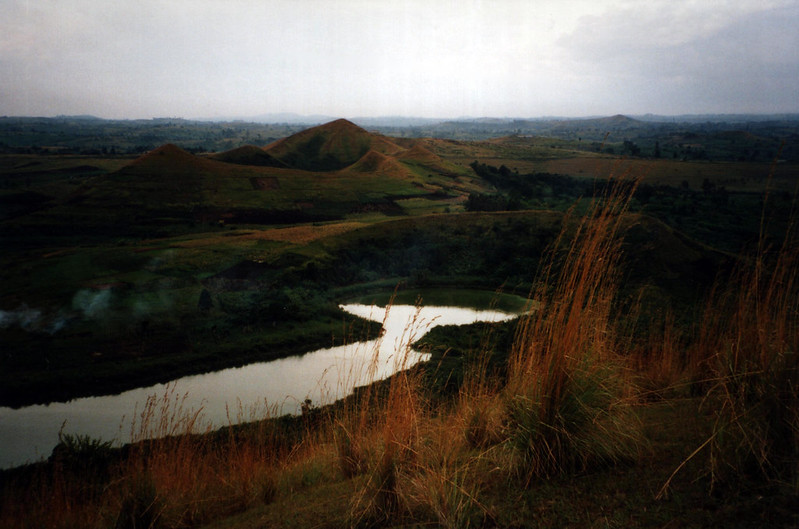
Speke Memorial Monument in Jinja Uganda – Source of the Nile visit. Monument to Speke…
Nyerere National Park
Nyerere National Park (Formerly Selous Game Reserve)
Previously known as Selous Game Reserve, Nyerere National Park is one of Tanzania’s most captivating safari destinations. Located in southern Tanzania, it forms part of the southern safari circuit and offers a peaceful escape from the busier northern parks like the Serengeti. Despite fewer crowds, the park delivers remarkable wildlife encounters. Covering 50,000 km², it is the largest game reserve in Africa—four times the size of the Serengeti and more than double the size of South Africa’s Kruger National Park. It lies about 219 kilometers from Dar es Salaam and can be reached in approximately four hours by road.
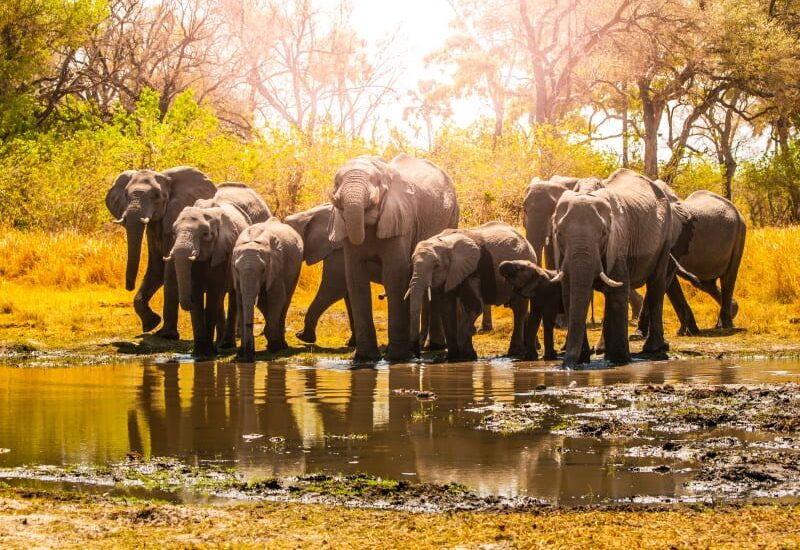
Nyerere National Park was named a UNESCO World Heritage Site in 1982 for its ecological diversity and untouched natural beauty. It is home to some of the largest populations of elephants, black rhinos, lions, cheetahs, hippos, and crocodiles. The park also supports species such as Nyasaland gnus, sable antelopes, elands, greater kudus, zebras, reedbucks, leopards, warthogs, buffaloes, and spotted hyenas. Notably, it harbors about 12% of Africa’s endangered wild dogs.
The park contains a variety of habitats including Miombo woodlands, open grasslands, riverine forests, and wetlands. These ecosystems make it an important site for ongoing ecological and biological research. Over 440 bird species have been recorded here, making it a popular destination for birdwatching tours in Tanzania.
Game-Viewing and Rufiji River
The best areas for wildlife viewing are located near the Rufiji River, which is reserved for photographic tourism. Most of the park’s other regions are used for regulated hunting. The Rufiji River and its network of lakes and palm groves define the safari experience in Nyerere. Game viewing can be enjoyed through boat safaris or traditional game drives. With its abundant wildlife and scenic beauty, Nyerere National Park is a true highlight of southern Tanzania, and it remains less crowded than parks in the north.
How to Get to Nyerere National Park
There are several ways to reach Nyerere National Park:
-
By Air: The most convenient option is flying from Dar es Salaam (about 45 minutes) or Ruaha National Park (around 90 minutes).
-
By Road: A road trip from Dar es Salaam takes about 4 hours and offers scenic views along the way, including a drive through Mikumi National Park.
-
By Train: The TAZARA railway from Dar es Salaam to Zambia passes near the park. The train journey takes 4 to 5 hours but is often delayed.
Main Attractions in Nyerere National Park
Wildlife
Nyerere is home to around 150,000 buffaloes, 4,000 lions, 100,000 wildebeests, over 35,000 zebras, 40,000 hippos, and 25,000 impalas. The park also hosts Lichtenstein’s hartebeests, elands, waterbucks, leopards, crocodiles, and hyenas. Unique species such as puku antelopes, African wild dogs, and sable antelopes are commonly seen here. Although elephant numbers have declined due to poaching, they can still be spotted on safari drives.
Birdlife
With more than 440 recorded species, Nyerere is a prime birdwatching destination. Notable species include the African spoonbill, Pel’s fishing owl, white-fronted bee-eater, spur-winged lapwing, African skimmer, pearl-spotted owlet, and white-headed lapwing. Migratory birds visit from November to April. The Rufiji River region offers the best birding opportunities.
Selous Grave
Captain Frederick Courteney Selous, after whom the reserve was formerly named, was a British explorer and conservationist. He was killed in World War I while fighting near the Rufiji River and was buried at Beho, near the northern edge of the park. His grave is marked by a simple bronze plaque.
Rufiji River
The Rufiji River is Tanzania’s largest river and a central feature of Nyerere National Park. It divides the reserve into a northern section for photographic tourism and a southern section designated for hunting. The river forms lakes, swamps, and channels that support a variety of wildlife and ecosystems. Historically, the river was also of military importance during World War I.
Safari Activities in Nyerere National Park
Visitors can enjoy a range of activities in the park after paying the entry fee of $76.70 for adults and $53.10 for children (ages 5 to 17). Activities include:
Game Drives
Game drives are a key attraction in Nyerere National Park. These are conducted in open 4WD vehicles, and self-drive safaris are also available. Game drives can be scheduled for morning, afternoon, evening, night, or a full day. The best time for game drives is during the dry season from June to October when wildlife is easier to spot near water sources. The denning season of wild dogs, from June to August, also provides excellent sightings.
Bird-Watching
Guided birdwatching tours offer sightings of kingfishers, bee-eaters, fish eagles, pelicans, turacos, hornbills, storks, and many other species. The park’s riverbanks and lakes are ideal bird habitats.
Cultural Tours
Cultural visits to Mloka village are a great way to meet local residents and learn about their daily lives. Tours often include visits to schools, markets, and community centers. These can be arranged at any time of day and are typically organized by lodges such as Selous River Camp at a cost of $20 per person.
Boat Safaris
Boat safaris are available on the Rufiji River and several nearby lakes such as Lake Tagalala, Siwandu, Mzizimia, Manze, and Nzelekela. These safaris can be short sessions or full-day excursions. They offer excellent wildlife viewing and scenic experiences.
Accommodation in Nyerere National Park
Nyerere National Park has a wide range of accommodation options, categorized into luxury, mid-range, and budget.
Luxury Lodges and Camps:
-
Beho Beho
-
Siwandu Camp
-
Mivumo River Luxury Camp
-
Selous Serena Camp
-
Roho ya Selous
-
The Retreat Tented Lodge
-
Selous Mbuyu Safari Camp
Mid-Range and Budget Options:
-
Rufiji River Camp
-
Selous Impala Camp
-
Selous River Camp
-
Selous Ngalawa Camp
-
African Safari Camp
-
Selous Wilderness Camp
-
Selous Mbega Camp
-
Selous Kulinda Camp
-
Jimbiza Lodge
-
Sand Rivers Selous Lodge
Related Posts