How Many Tourists Visit Gorillas Each Day? Understanding Gorilla Trekking Numbers and Conservation Gorilla trekking…
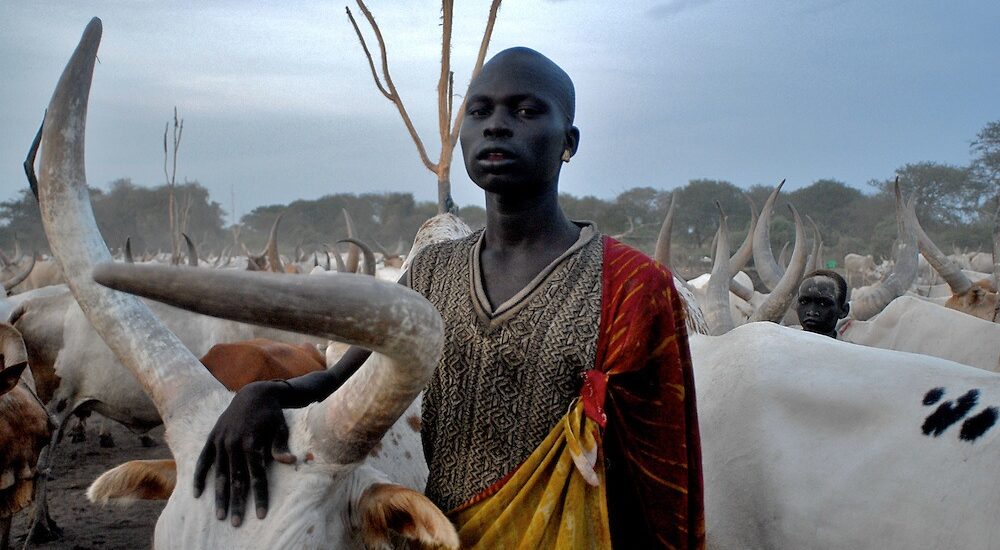
The Dinka of South Sudan
The Dinka of South Sudan: Culture, History, Language & Traditions of Africa’s Tallest Tribe
Introduction to the Dinka of South Sudan
The Dinka people of South Sudan are one of the most fascinating ethnic groups in East Africa. Known traditionally as the Jieng, the Dinka are the largest ethnic community in South Sudan and are widely believed to be among the tallest people in Africa, with an average height of nearly 7 feet (2.1 meters). Their extraordinary physical features, rich pastoralist lifestyle, and powerful spiritual beliefs make them one of the most intriguing cultural groups on the continent.
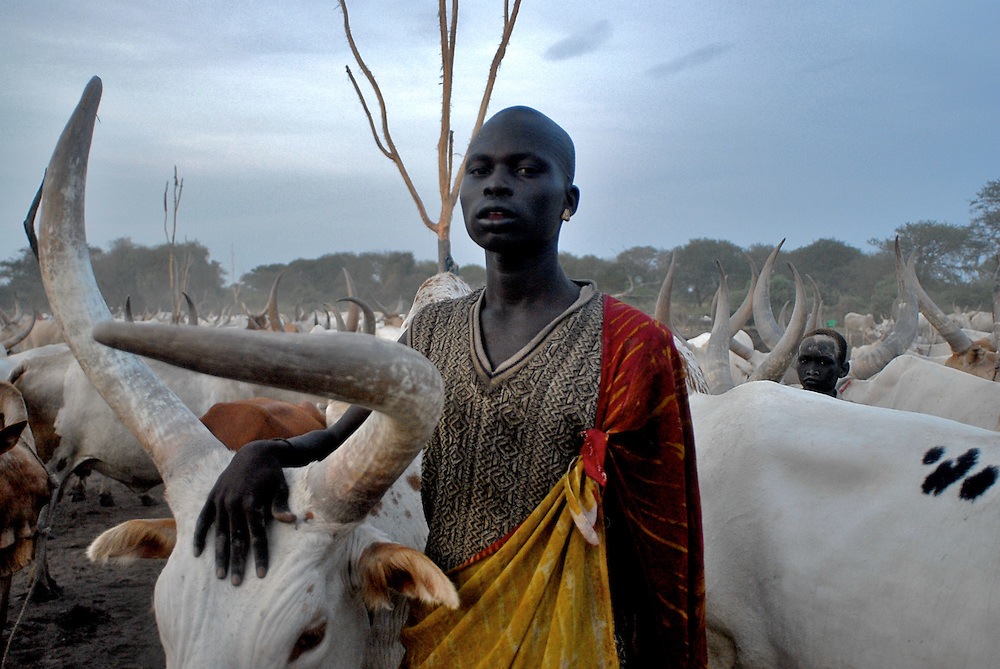 For travelers, cultural explorers, researchers, and safari enthusiasts planning a journey through East Africa, understanding the Dinka provides deeper insight into the traditions, history, and identity of South Sudan and the wider Nilotic region — a region often connected to wildlife and cultural itineraries offered across East Africa by operators like Monumental Expeditions and Safaris.
Visit Monumental Expeditions and Safaris– Your gateway to East African culture & wildlife experiences.
The Dinka belong to the Nilotic peoples, a large group of ethnic communities native to the Nile Valley. Closely related to the Nuer and Shilluk, the Dinka are traditionally herders and farmers who depend heavily on cattle, seasonal movement, and river systems for survival.
Where Are the Dinka People Found in South Sudan?
The Dinka inhabit a wide area of South Sudan, particularly in the vast lowland regions that border the White Nile and its major tributaries. During the rainy season, much of this territory becomes a swamp due to Nile flooding, and in the dry season, it transforms into vast grazing land.
You will find Dinka populations mainly in:
-
Upper Nile State
-
Jonglei State
-
Warrap
-
Lakes State
-
Northern Bahr el Ghazal
Some Dinka communities also extend into southwestern Ethiopia.
Due to decades of conflict and economic challenges, many Dinka have migrated to Khartoum (Sudan), Kenya, Uganda, Europe, and the United States. However, most still live in rural villages located around tributaries such as the Bor, Aweil, and Renk rivers, where farming and cattle keeping remain central to daily life.
These regions are also culturally linked to broader East African landscapes visited during Uganda, Kenya, and Rwanda safari circuits arranged by tour companies like Monumental Expeditions and Safaris.
History of the Dinka People in South Sudan
 Historical evidence, including Ancient Egyptian depictions of cattle culture, suggests that the Dinka are descendants of some of the earliest cattle-herding communities in sub-Saharan Africa. As early as 3000 BC, pastoralist communities lived on the floodplains of southern Sudan — now known as one of the world’s largest wetlands.
Over time, three major Nilotic groups emerged:
-
Dinka
-
Nuer
-
Shilluk
By around 1500 AD, the Dinka expanded widely, occupying much of the central and southern Nile Valley. In the 19th century, they fiercely resisted invasion attempts by Ottoman Turks, slave traders, and foreign religious forces attempting to convert them to Islam.
Despite immense pressure, the Dinka preserved their traditions, culture, and independence. Their resistance remains a strong symbol of South Sudanese identity and pride.
Several prominent freedom leaders were from the Dinka tribe, including:
-
Dr. John Garang de Mabior – Leader of the Sudan People’s Liberation Movement/Army (SPLM/SPLA)
-
William Deng Nhial – Founder of Sudan African National Union (SANU)
These leaders were instrumental in the struggle that led to the birth of the Republic of South Sudan on July 9, 2011, a major event recognized globally by international bodies.
The Language of the Dinka People
The Dinka language belongs to the Eastern Sudanic branch of the Nilo-Saharan language family. It is one of Africa’s most complex and expressive languages and is divided into five major dialect clusters:
-
Northeastern
-
Northwestern
-
Southeastern
-
Southwestern
-
South-Central
The language demonstrates the deep connection between the Dinka people and their cattle, with over 400 words used specifically to describe cows, including color, horn shape, movement, health, and personality.
Poetry and oral literature are highly valued. Traditional songs are recited to:
-
Glenorify ancestors
-
Praise cattle
-
Mark rituals
-
Celebrate warriors
-
Teach history and moral values
Dinka Culture & Traditional Lifestyle
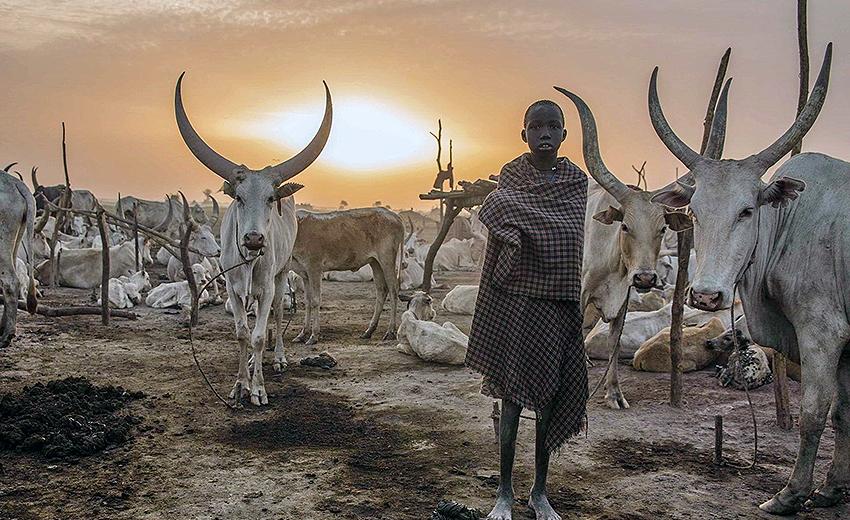 Traditionally, the Dinka do not live in permanent cities. Instead, they move seasonally with their cattle depending on water and pasture. This nomadic lifestyle closely follows the flood patterns of the Nile.
✅ Housing & Settlements
-
Men sleep in cattle kraals (mud huts for cows)
-
Women and children sleep in family huts
-
Villages consist of multiple extended families
-
Permanent towns are built on higher grounds above floodplains
✅ Food & Diet
The primary food includes:
-
Thick millet porridge
-
Fresh milk
-
Vegetables
-
Occasionally fish and meat
✅ Marriage & Family System
-
Mostly monogamous, with accepted polygamy
-
Strong emphasis on exogamy – marrying outside one’s clan
-
The groom pays bride wealth in cattle
-
All children of co-wives are raised as one family
✅ Roles in Society
-
Women cook, harvest, fish, and tend crops
-
Men herd cattle, hunt, and protect the community
-
Social groups are divided by age and gender
Dress, Body Decoration & Beauty Practices
The Dinka are known for unique traditional body art and decoration:
-
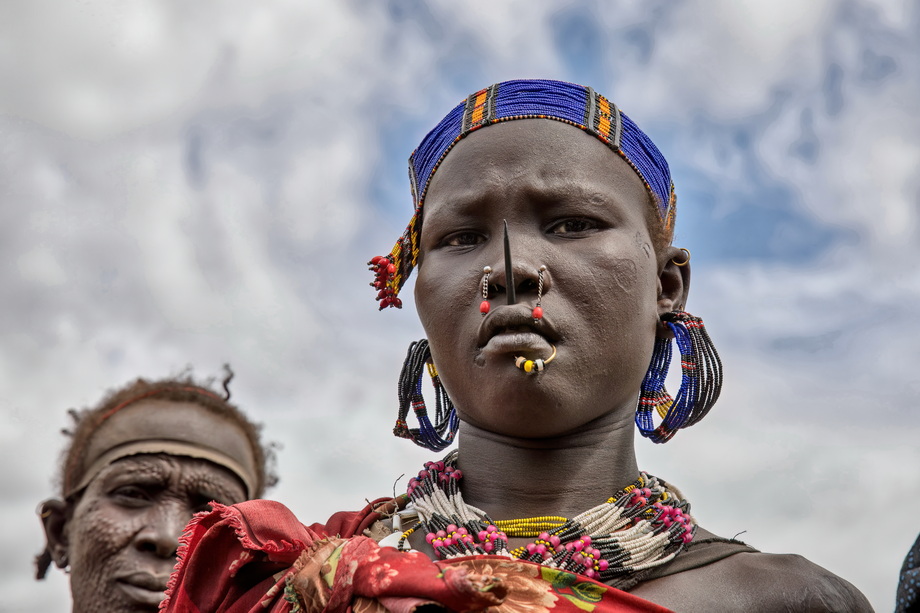
Red hair coloring using cow urine & ash
-
Bodies covered in butter oil to protect skin
-
Decorative scarification
-
Beaded jewelry for men and women
-
Goatskin clothing (modern clothes now common)
These aesthetic practices hold both cultural and spiritual meaning.
Music, Art & Handicrafts
The Dinka are rich in creative expression:
-
Songs for ceremonies, war, farming, and life events
-
Poetry telling heroic stories
-
Women produce pottery & woven baskets
-
Men work as blacksmiths, making spears and farming tools
The artistic traditions of the Dinka have influenced storytelling across the Nilotic region.
Religion & Spiritual Beliefs of the Dinka
The Dinka believe in a supreme being known as Nhialic, the creator of heaven and earth. However, communication happens through:
-
Yath – benevolent spirits
-
Jak – spirits that control misfortune
Cattle are central to spiritual ceremonies and are used in sacrifices for:
-
Healing
-
Blessings
-
Marriage and birth rituals
Although some Dinka have converted to Christianity, many still practice traditional African religion.
The Dinka in Modern Politics of South Sudan
Due to their numbers, the Dinka have played a significant role in South Sudan’s governance. However, decades of civil war, drought, and political instability created hardships across their communities.
Despite challenges, they continue to maintain cultural identity while engaging in the nation-building process.
Why the Dinka Matter to African Cultural Tourism
Understanding tribes like the Dinka adds immense depth to an East African travel experience. Cultural tourism — when done ethically and respectfully — allows travelers to:
-
Learn about indigenous knowledge systems
-
Appreciate unique African heritage
-
Support sustainable local economies
-
Preserve fading traditions
Many travelers combine cultural education with wildlife safaris in neighboring Uganda and Rwanda through expert planners such as Monumental Expeditions and Safaris.
Explore tours here:
-
Gorilla Tours Uganda: https://www.gorillatrackings.com/gorilla-trekking-uganda
-
Rwanda Gorilla Safaris: https://www.gorillatrackings.com/rwanda-gorilla-tours
Conclusion
The Dinka people of South Sudan represent one of Africa’s most resilient, unique, and culturally-rich communities. From their height and cattle-centered lives to their poetry, spirituality, and resistance to cultural erasure – the Dinka stand as a powerful symbol of African identity.
Their way of life tells a story not just of one tribe, but of East Africa’s deep connection to land, animals, spirit, and survival.
Whether you are a researcher, traveler, or cultural enthusiast, learning about the Dinka will forever change your understanding of Africa.
And if your journey ever brings you to East Africa — let Monumental Expeditions and Safaris guide you through an unforgettable cultural and wildlife adventure.
Related Posts