Wildlife Safaris from UAE Africa has long been one of the most exciting wildlife destinations…
5 Fascinating Facts About the Black Rhino
5 Fascinating Facts About the Black Rhino: Africa’s Critically Endangered Giant
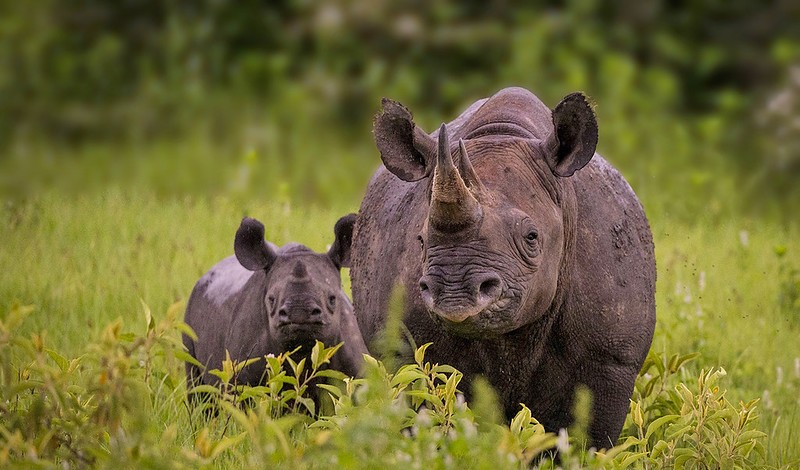
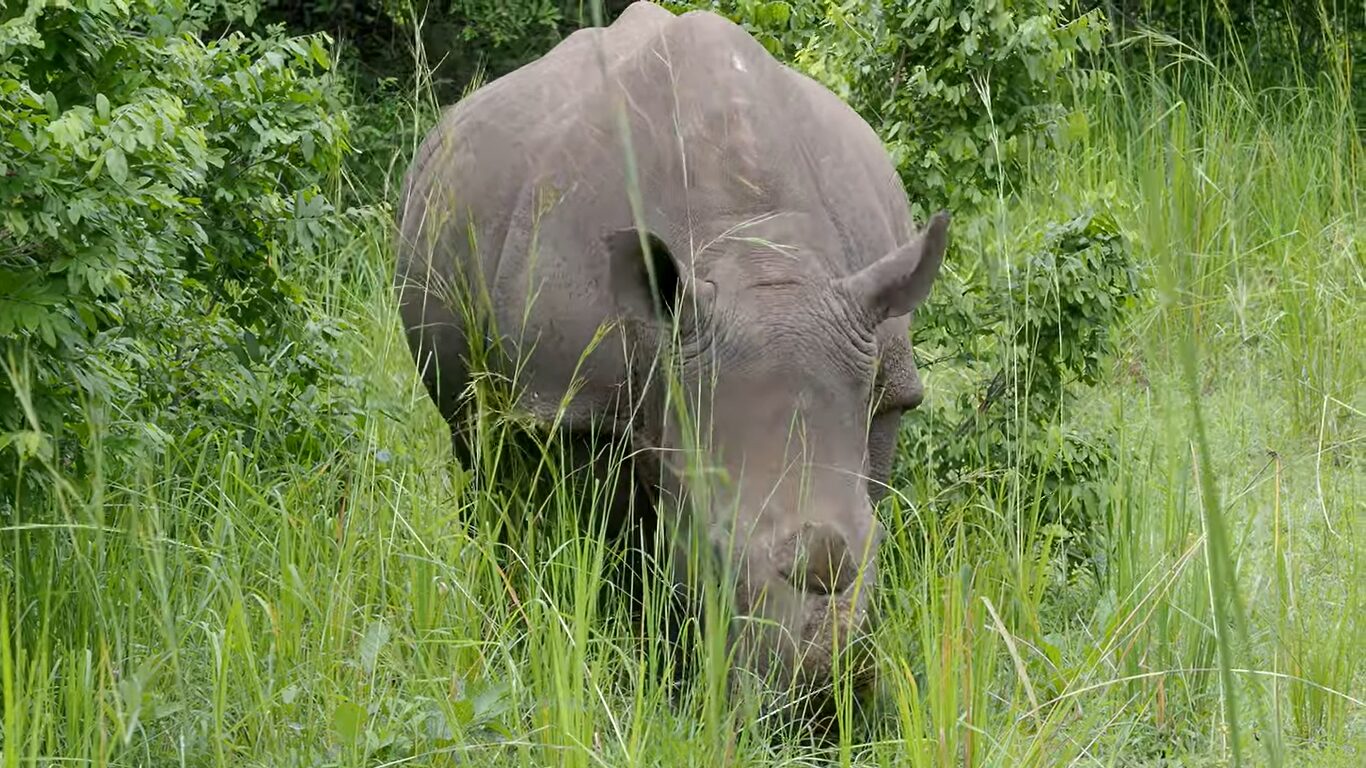
The black rhinoceros (Diceros bicornis) is one of Africa’s most iconic and critically endangered species. Known for its distinctive hooked lip, fierce temperament, and historical population decline, the black rhino remains a symbol of wildlife conservation across the continent. While Africa is home to two rhino species—the larger white rhino and the smaller black rhino—the black rhino is far rarer and more elusive, making sightings on safari a once-in-a-lifetime experience. Despite its name, the black rhino is not actually black; its color ranges from brown to grey, often influenced by the mud wallows it uses to cool off and protect its skin from the sun and insects.
Here, we explore five fascinating facts about the black rhino, highlighting why this species is so remarkable, the threats it faces, and how travelers can help protect it through responsible wildlife tourism in Africa.
1. The Hook-Lipped Rhino: A Master of Feeding
One of the most distinctive features of the black rhino is its prehensile upper lip, which functions almost like a small hand. This adaptation allows it to grasp and strip leaves, branches, and stems from woody shrubs, making it an expert browser. Because of this, the black rhino is sometimes called the “hook-lipped rhino,” distinguishing it from the white rhino, which has a broad, square-shaped mouth designed for grazing on grasses.
This specialized feeding behavior also means that black rhinos play a critical role in maintaining the health of African savannah and bushland ecosystems. By feeding on shrubs and small trees, they prevent overgrowth and support biodiversity, creating space for other herbivores like antelopes and zebras to graze.
Safari tip: If you want to see black rhinos in their natural habitat, prime locations include South Africa’s Kruger National Park, Namibia’s Etosha National Park, Ziwa Rhino Santuary in Uganda and Zimbabwe’s Zambezi Valley. Booking with responsible safari operators ensures that your visit supports anti-poaching and conservation efforts.
2. Subspecies Diversity and Extinction
Historically, there were eight recognized subspecies of black rhino across Africa. These subspecies were adapted to different regions, from arid deserts to dense bushland. Today, only three subspecies remain viable:
-
Eastern black rhino (Diceros bicornis michaeli) – Found in Kenya and Tanzania
-
South-central black rhino (Diceros bicornis minor) – Mostly in Zimbabwe, Botswana, and Namibia
-
South-western black rhino (Diceros bicornis bicornis) – Primarily in Namibia and South Africa
The remaining subspecies are sadly extinct, highlighting the devastating impact of poaching, habitat loss, and human-wildlife conflict. Each surviving subspecies has a limited range, which makes targeted conservation programs essential. Efforts like translocations, anti-poaching patrols, and habitat restoration have helped stabilize some populations, but survival is still precarious.
Conservation organizations, including the World Wildlife Fund (WWF) and Save the Rhino International, continue to monitor populations and implement measures to prevent further extinctions. Tourists can contribute by supporting safaris that invest in community-led conservation initiatives.
3. Historical Population Decline
At the turn of the 20th century, there were hundreds of thousands of black rhinos across Africa. By the year 2000, their numbers had plummeted to less than 2,500 individuals due to unregulated hunting and poaching. Initially, hunters sought rhino horns as trophies, but soon an illegal market for rhino horn developed, particularly in China and the Middle East, where it was used for traditional medicine and luxury goods.
Today, black rhino numbers have rebounded slightly to around 4,300 individuals, thanks to international conservation efforts and strict anti-poaching laws. However, the species remains Critically Endangered on the IUCN Red List, meaning that without ongoing protection, it could once again face the threat of extinction.
Did you know? Rhino horn can fetch prices upwards of $60,000 per kilogram on the black market, which continues to drive poaching. Responsible tourism, awareness campaigns, and supporting legal frameworks are essential to protect these magnificent animals.
4. Fierce and Fearless: The Black Rhino’s Battle Skills
Despite their seemingly slow and bulky appearance, black rhinos are incredibly agile and aggressive. Among mammal species, they have one of the highest documented battle death rates, with male rhinos frequently engaging in violent fights over territory or mates.
Black rhinos can run at speeds of up to 56 km/h (35 mph) and are known for their quick reflexes and sharp horn use. Remarkably, they are capable of striking small moving objects with precision, demonstrating their dexterity and strength. These traits make them formidable adversaries, both against rival rhinos and potential predators, though adults have few natural threats aside from humans.
Wildlife researchers emphasize that these behaviors are critical for territorial defense and survival. Observing a black rhino in the wild is therefore not only thrilling for safari-goers but also a rare glimpse into the social dynamics of one of Africa’s most iconic species.
5. Conservation Success Stories
While the black rhino faces severe threats, there are notable conservation success stories. Countries such as Namibia, South Africa, and Kenya have implemented rigorous anti-poaching measures, including:
-
Armed ranger patrols
-
Drone surveillance
-
Community-based wildlife conservancies
-
Translocation programs to create safe breeding populations
Namibia, for example, has embraced community conservancies, where local people are empowered to manage wildlife areas and benefit financially from eco-tourism. This model not only protects black rhinos but also promotes sustainable livelihoods, ensuring long-term conservation success.
Additionally, international treaties like CITES (Convention on International Trade in Endangered Species) regulate the trade of rhino horns and other endangered wildlife products, reducing global demand and illegal trafficking.
By participating in ethical wildlife tourism, travelers can directly support these conservation initiatives. Safaris focused on rhino conservation offer educational experiences and firsthand encounters that inspire visitors to contribute to protection efforts.
Black Rhino Habitat and Behavior
Black rhinos primarily inhabit savannahs, grasslands, and shrublands across Africa. They are solitary animals, with individuals maintaining distinct territories marked by urine and dung. Unlike white rhinos, which are social grazers, black rhinos are more aggressive and less tolerant of intruders.
Their diet consists mainly of leaves, shoots, and woody plants, which they skillfully strip using their prehensile upper lip. This browsing behavior helps shape the landscape, making them ecosystem engineers that support other wildlife species.
How Tourists Can Help
If you want to see black rhinos in the wild while contributing to their survival, consider:
-
Booking a safari with conservation-focused operators
-
Visiting protected reserves and national parks such as Kruger, Etosha, or Hluhluwe-Imfolozi
-
Supporting organizations like Save the Rhino International or WWF
-
Avoiding wildlife products made from rhino horn or other endangered species
Every visit, donation, and awareness effort contributes to the continued protection of this Critically Endangered species.
The Future of the Black Rhino
The black rhino’s story is a mix of tragedy and hope. While poaching and habitat loss continue to threaten its survival, effective conservation, law enforcement, and eco-tourism are helping populations recover. Protecting the black rhino is not just about preserving a species—it’s about maintaining Africa’s natural heritage and the ecological balance of its savannahs and bushlands.
With only around 4,300 individuals left, every action matters. From responsible safari travel to supporting anti-poaching initiatives, humans play a pivotal role in ensuring that future generations can witness the majesty of the black rhino in the wild.
Key Takeaways: 5 Fascinating Facts About the Black Rhino
-
Hook-lipped feeding: Black rhinos have a prehensile upper lip for grasping branches and shrubs.
-
Subspecies diversity: Only three of the original eight subspecies remain viable.
-
Historical decline: Numbers fell from hundreds of thousands to under 2,500 by 2000.
-
Aggressive nature: Known for combat skills, speed, and precision horn use.
-
Conservation successes: Anti-poaching efforts, community conservancies, and legal protections are helping populations recover.
For those interested in learning more, visit Save the Rhino International or WWF for updates on black rhino conservation.
By understanding these facts and supporting conservation, travelers can experience Africa’s wild landscapes responsibly while ensuring the survival of the black rhino for generations to come.
Related Posts