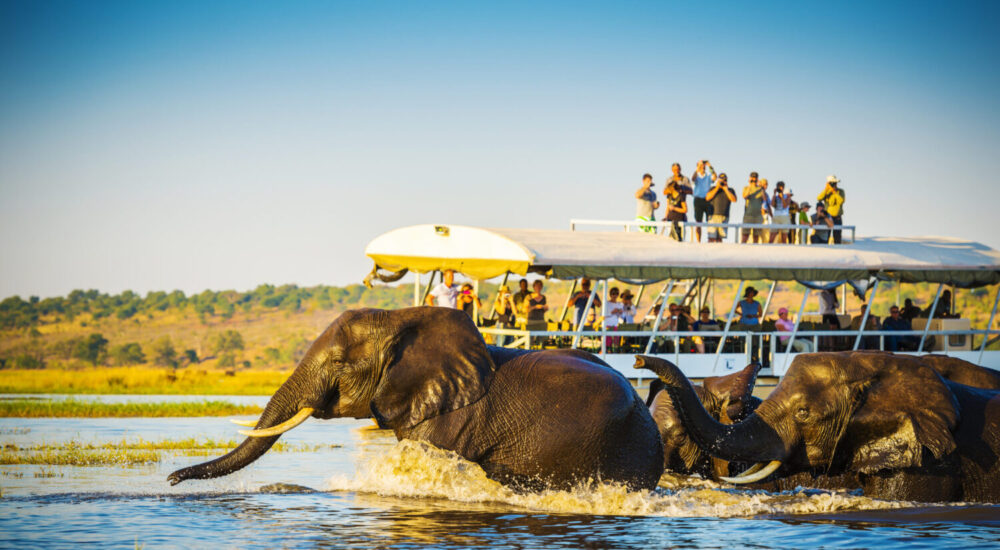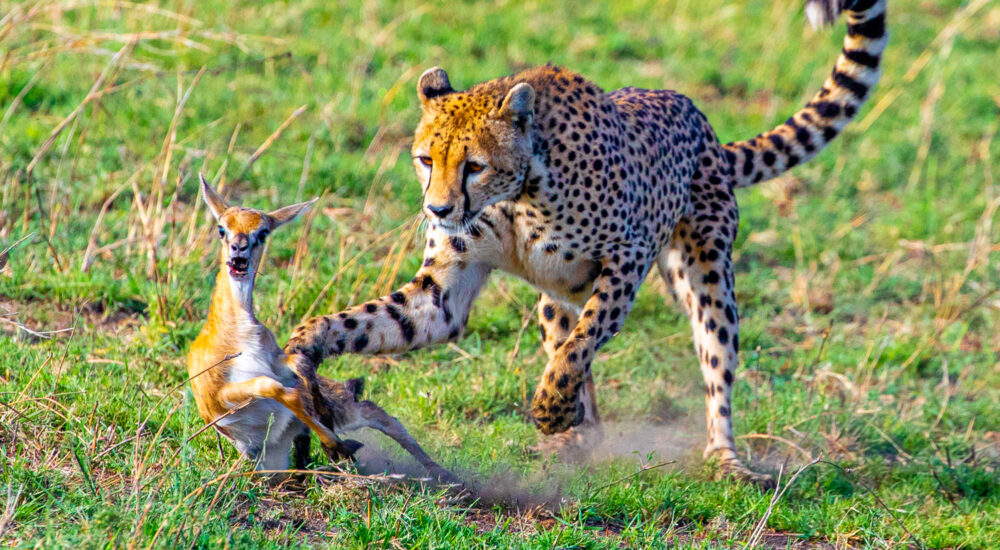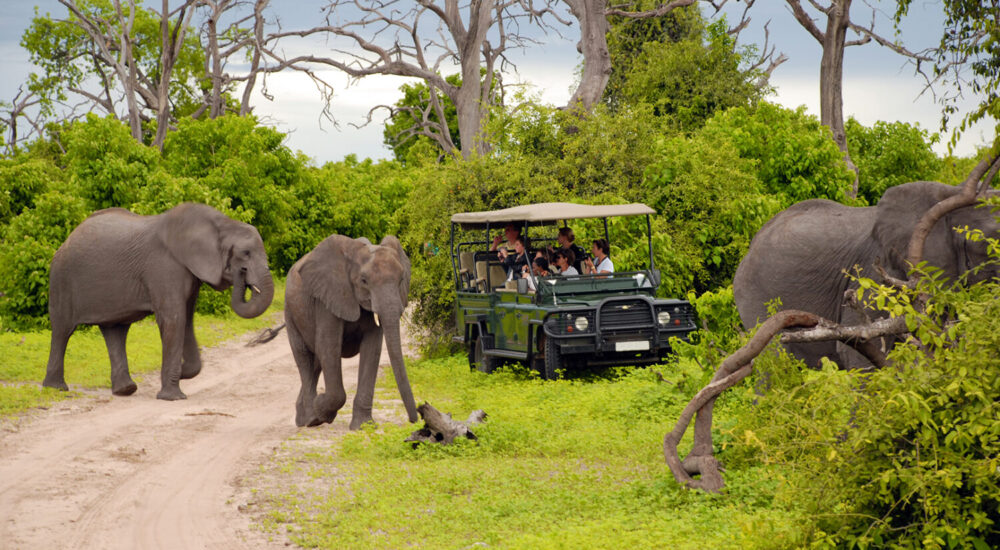
African Safari River Adventures and Boat Safaris African safaris are often associated with thrilling…
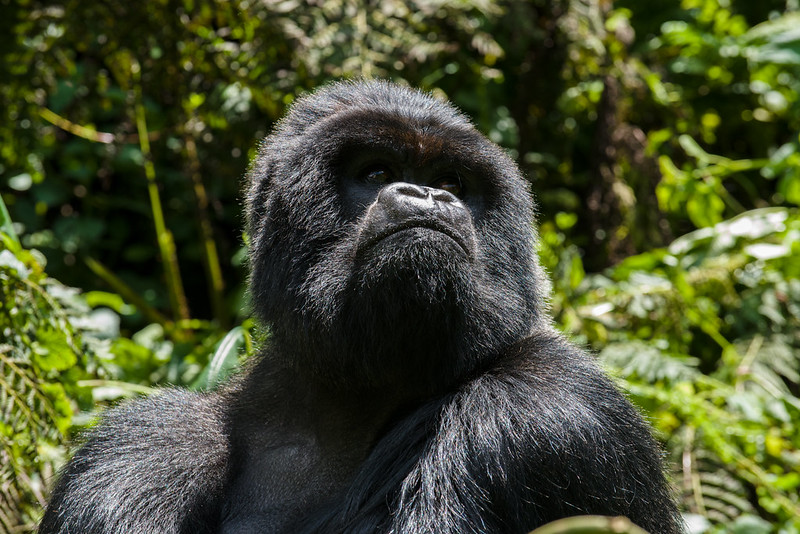
What threats still face gorillas today? | Gorilla trekking safaris
What Threats Still Face Gorillas Today? Understanding the Challenges to Their Survival
Gorillas are among the most iconic and fascinating wildlife species on the planet. Observing these gentle giants in the wild, whether in Uganda’s Bwindi Impenetrable Forest, Rwanda’s Volcanoes National Park, or the Democratic Republic of Congo, is an unforgettable experience. Despite decades of conservation efforts, gorillas remain endangered, and numerous threats continue to jeopardize their survival.
Understanding these threats is critical for anyone interested in gorilla conservation, responsible tourism, or supporting wildlife protection initiatives. In this article, we explore the key threats gorillas face today, their impact on populations, and ways you can help protect these incredible animals.
For more information on gorilla trekking and conservation, visit Monumental Expeditions and safaris.
The Current Status of Gorilla Populations
Gorillas are divided into two main species:
-
Eastern Gorillas (Gorilla beringei): Includes mountain gorillas and eastern lowland gorillas.
-
Western Gorillas (Gorilla gorilla): Includes western lowland gorillas and Cross River gorillas.
Among these, mountain gorillas are the most famous due to trekking opportunities in East Africa. Fortunately, their populations have been slowly increasing thanks to conservation programs. However, other subspecies, particularly eastern lowland gorillas and western lowland gorillas, continue to face severe threats.
Despite protections, gorillas remain critically endangered or endangered according to the IUCN Red List. Understanding why they are still at risk is key to effective conservation.
1. Habitat Loss and Deforestation
Habitat loss is arguably the greatest threat to gorillas today. Forests where gorillas live are being cleared for:
-
Agriculture: Expanding farms and plantations reduce the forest area available for gorillas.
-
Logging: Commercial and illegal logging destroys essential gorilla habitat.
-
Infrastructure Development: Roads, settlements, and mining operations fragment habitats.
When gorilla habitats shrink, it leads to smaller, isolated populations, which makes them more vulnerable to disease, genetic problems, and human conflict.
Protected areas like Bwindi Impenetrable Forest and Volcanoes National Park help preserve habitat, but continuous monitoring and community engagement are necessary. For tips on responsible eco-tourism that helps preserve gorilla habitats, see Monumental Expeditions and safaris.
2. Poaching and Illegal Wildlife Trade
Poaching remains a major threat despite strict anti-poaching laws. Gorillas are sometimes targeted directly or indirectly:
-
Bushmeat Hunting: Gorillas may be caught in snares set for other animals, causing injury or death.
-
Infant Trade: Orphaned gorilla infants may be illegally sold as exotic pets.
-
Traditional Beliefs: Some cultures use gorilla parts for medicinal or ritual purposes.
Anti-poaching patrols, guided by local and international conservation organizations, are essential for reducing illegal hunting. Supporting programs like those highlighted on gorillatrackings.com helps fund these efforts.
3. Disease and Human-Transmitted Illnesses
Gorillas are highly susceptible to human diseases, particularly respiratory infections. Tourists and local communities can inadvertently transmit viruses that gorillas cannot fight.
Key points include:
-
Even a common cold or flu can be fatal to gorillas.
-
Strict park rules now require trekkers to keep a minimum distance of 7 meters (23 feet) and avoid close contact.
-
Conservation programs monitor gorilla health and administer medical care when necessary.
Gorilla-friendly trekking practices are critical to preventing disease transmission.
4. Human-Wildlife Conflict
As human populations expand near gorilla habitats, conflicts may arise:
-
Crop Raiding: Gorillas occasionally eat crops near forests, creating tension with farmers.
-
Encroachment: Settlement expansion reduces available habitat.
-
Road Accidents: Roads near habitats can lead to accidental gorilla deaths.
Conservation organizations work with communities to implement buffer zones, crop protection techniques, and education programs to minimize conflict. Supporting these initiatives ensures gorillas and humans coexist safely.
5. Climate Change
Climate change adds an additional layer of stress to gorilla populations:
-
Altered Habitats: Shifts in rainfall patterns can affect food availability in forests.
-
Forest Fires: Rising temperatures increase the risk of fires in gorilla habitats.
-
Ecosystem Imbalance: Changes in vegetation impact the overall ecosystem that gorillas depend on.
Addressing climate change requires global action, but eco-conscious travel and supporting local conservation efforts can contribute indirectly.
How Tourism Can Help Mitigate Threats
Responsible tourism plays a pivotal role in protecting gorillas. Trekking tourism generates funds that support:
-
Anti-poaching patrols and ranger salaries.
-
Habitat preservation and reforestation projects.
-
Veterinary care and research programs.
By following rules during gorilla treks—like keeping distance, avoiding flash photography, and not feeding gorillas—tourists contribute to sustainable conservation efforts. Visit Monumental Expeditions and Safaris to book responsible gorilla trekking tours.
How You Can Help Gorilla Conservation
Even after your visit, there are multiple ways to make a difference:
-
Donate to Gorilla Conservation Programs – Support organizations like the Gorilla Doctors or the Dian Fossey Gorilla Fund.
-
Promote Awareness – Share your trekking experiences responsibly to educate others.
-
Volunteer – Participate in habitat restoration or research programs.
-
Support Local Communities – Choose eco-lodges, buy local crafts, and help communities thrive alongside wildlife.
-
Adopt or Sponsor a Gorilla – Many programs allow you to adopt a gorilla to fund their protection.
Learn more about ways to support gorilla conservation at gorillatrackings
Success Stories in Gorilla Conservation
Despite these threats, conservation efforts have led to positive outcomes:
-
Mountain gorilla populations have increased steadily over the past two decades.
-
Community-based programs have reduced poaching in key parks.
-
Veterinary interventions have saved injured or sick gorillas.
These successes show that combined global, local, and tourism efforts can protect gorilla populations for future generations.
Conclusion
Gorillas continue to face significant threats today, from habitat loss and poaching to disease, human-wildlife conflict, and climate change. However, thanks to the dedication of conservationists, local communities, and responsible tourism, there is hope for these majestic creatures.
By understanding the challenges gorillas face and taking steps to support conservation—whether through donations, volunteering, responsible tourism, or advocacy—you can play a role in safeguarding these endangered species.
To learn more about gorilla trekking and how you can help protect mountain gorillas, visit gorillatrackings.com.
Related Posts