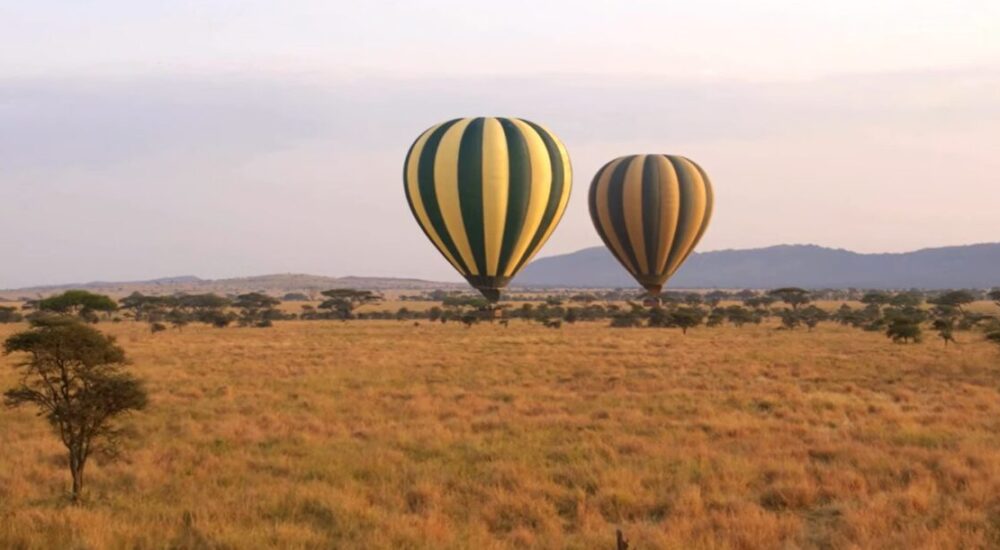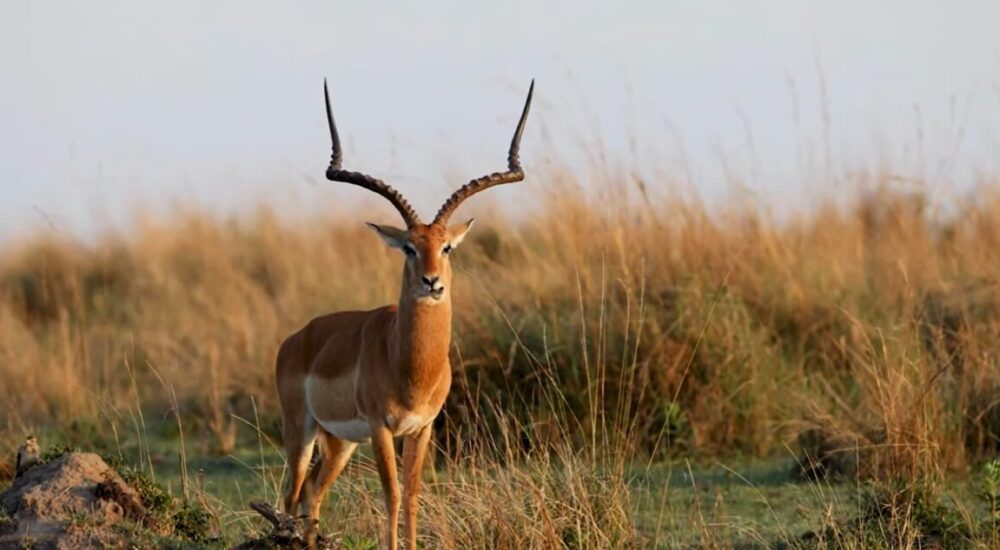
African Safari Travel Guide for 2026 An African safari is one of the most thrilling…
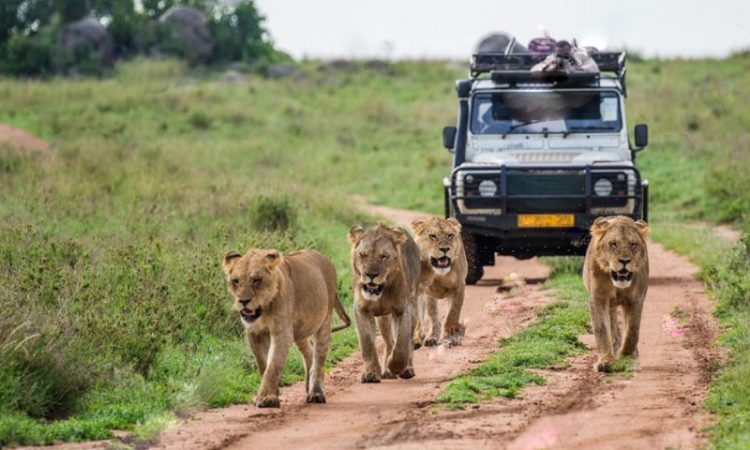
What should I expect on Uganda safaris
What to Expect on Uganda Safaris
Uganda is a land of breathtaking diversity, where lush terraced hills, rainforest-covered mountains, and savanna plains converge. Most Uganda safaris begin in Entebbe, the country’s primary international gateway, before heading west toward a chain of national parks that border the Albertine Rift. These journeys offer everything from classic game drives across golden grasslands to immersive jungle treks in search of primates.
Scenic Landscapes and Wildlife Diversity
A striking feature of Uganda’s safari landscapes is the mosaic of terraced agriculture draped across verdant hills—especially near rainforest areas. Uganda lies at the ecological crossroads between the eastern savannah and the dense central African jungle, making it uniquely suited to a wide range of safari experiences.
Game drives offer opportunities to spot lions, leopards, elephants, and buffalo, particularly in parks like Queen Elizabeth, Murchison Falls, and Kidepo Valley National Park. While wildlife densities may not rival those of Kenya or Tanzania, Uganda offers a more exclusive, off-the-beaten-path feel, with far fewer vehicles at each sighting.
Who Are Uganda Safaris For?
Uganda is a top destination for primate safaris and birding expeditions, attracting travelers who seek a deeper, more varied safari experience.
Primate Safaris
Uganda is home to half of the world’s remaining Mountain Gorillas, found in Bwindi Impenetrable Forest and Mgahinga Gorilla National Park. Visitors can also trek chimpanzees in Kibale Forest and Kyambura Gorge, as well as spot colobus monkeys, vervet monkeys, and the rare De Brazza monkeys. Gorilla trekking, often described as life-changing, is one of the country’s most extraordinary wildlife encounters.
Birding Safaris
Birdwatchers will be captivated by Uganda’s diversity—over 1,000 bird species thrive in the country’s varied habitats. Top sightings include the elusive shoebill stork, purple-breasted sunbird, small honeyguide, and attractive francolin. Uganda’s blend of savanna, forest, and wetland makes it Africa’s premier destination for birding safaris.
How Long Should I Stay?
The ideal Uganda safari ranges from 6 to 10 days, depending on your interests. Most travelers begin with an overnight in Entebbe before heading west to the gorilla parks.
Many experts recommend two gorilla treks, as the first encounter can be overwhelming. After trekking, guests often continue their journey through Uganda’s safari circuit—Kibale, Queen Elizabeth, and Murchison Falls National Parks. Adventurous travelers can extend their trip northward to the remote wilderness of Kidepo Valley National Park.
When to Visit Uganda
Uganda is a year-round safari destination, but rainfall during March–May and November–December can affect travel conditions, particularly in mountainous areas like Bwindi and Mgahinga. Despite being on the equator, Uganda’s high elevation ensures mild, comfortable weather throughout the year.
The peak safari season runs from June to October, aligning with drier conditions and offering excellent wildlife viewing and easier trekking.
Where to Go on Safari in Uganda
Bwindi Impenetrable National Park
Located on the edge of the Rift Valley, Bwindi is home to over 459 Mountain Gorillas—half of the world’s population. With 21 habituated groups available for trekking, this UNESCO World Heritage Site is Uganda’s crown jewel for primate safaris. The forest is also rich in biodiversity, with over 346 bird species, 200 butterfly species, and 10 endemic tree species.
-
Permit Cost: $700 per person
-
Fitness Level: Moderate to high due to mountainous terrain
Murchison Falls National Park
Uganda’s largest park features the dramatic Murchison Falls, where the Nile River squeezes through a 7-meter gorge and plunges 43 meters. The park hosts four of the Big Five, along with abundant giraffes, kobs, and hippos. Budongo Forest, within the park, is excellent for chimpanzee tracking and birding.
Queen Elizabeth National Park
Famous for its tree-climbing lions in the Ishasha sector, this park offers diverse ecosystems—lakes, savannas, wetlands, and forests. Highlights include:
-
Kazinga Channel boat cruise (elephants, hippos, crocodiles)
-
Chimp tracking in Kyambura Gorge
-
Birding (660 species, Africa’s most diverse)
-
Kasenyi Plains and Kalinzu Forest
Kibale Forest National Park
Known as the “Primate Capital of the World,” Kibale is ideal for chimpanzee trekking and hosts 13 primate species. With over 1,450 chimpanzees, as well as L’Hoest’s monkeys and red colobus, it’s a must for primate enthusiasts.
Kidepo Valley National Park
This remote, rugged wilderness in Uganda’s northeast is one of Africa’s best-kept secrets. With 77 mammal species and 470 bird species, including cheetahs, bat-eared foxes, and ostriches, it rivals East Africa’s top parks in wildlife diversity—but without the crowds.
Lake Mburo National Park
Uganda’s smallest savanna park, Lake Mburo is ideal for shorter safaris or stopovers. It offers game drives, boat cruises, horseback safaris, cycling, and birdwatching. Look for zebras, elands, giraffes, and hippos.
Rwenzori Mountains National Park
Known as the Mountains of the Moon, this park features Africa’s third-highest peak, Margherita (5,109m). Snowcapped peaks, glaciers, and unique flora make this a prime destination for mountain hiking and photographic safaris.
Final Thoughts: Why Choose a Uganda Safari?
Uganda offers a rare blend of adventure, exclusivity, and ecological richness. From tracking gorillas in misty jungles to spotting lions on the savanna and shoebills in papyrus swamps, Uganda is perfect for travelers seeking unique and immersive wildlife encounters.
Related Posts