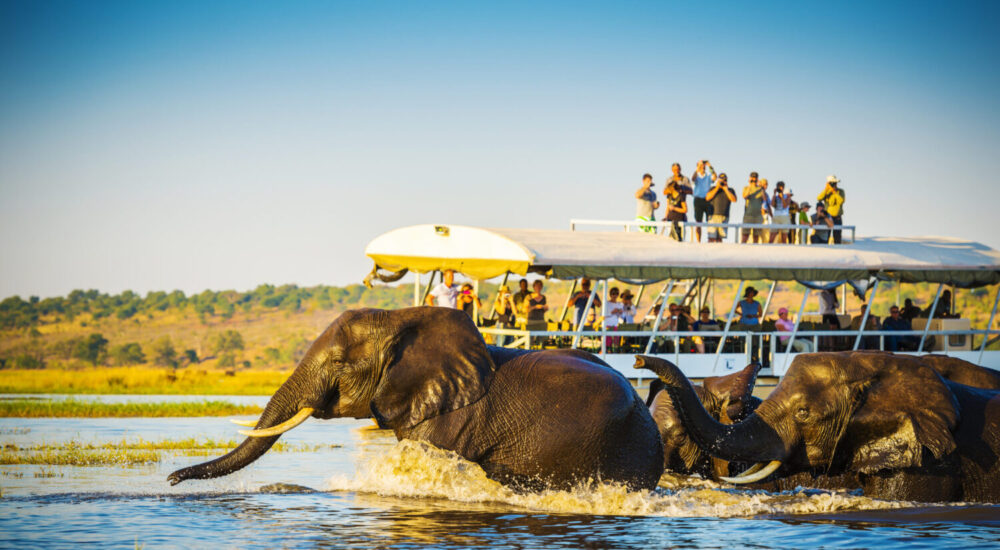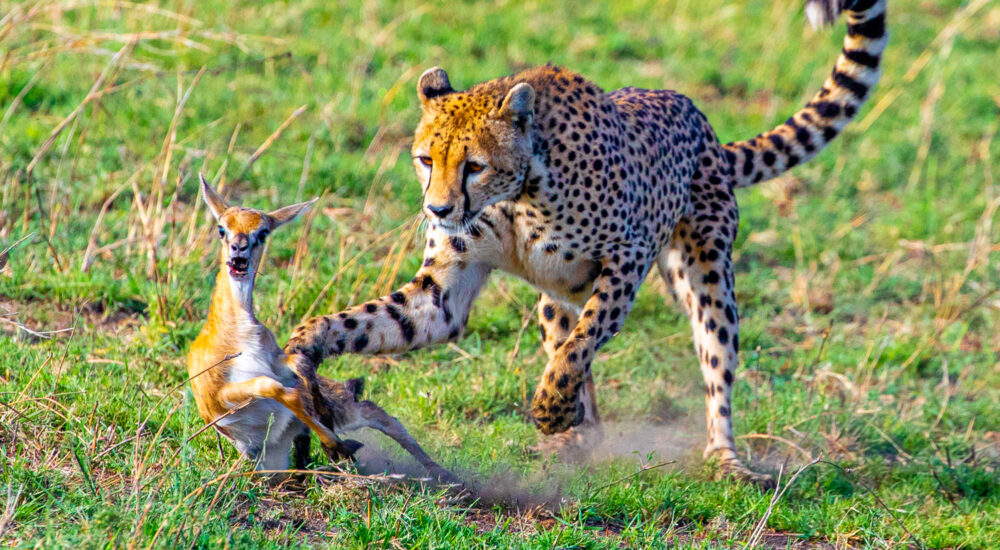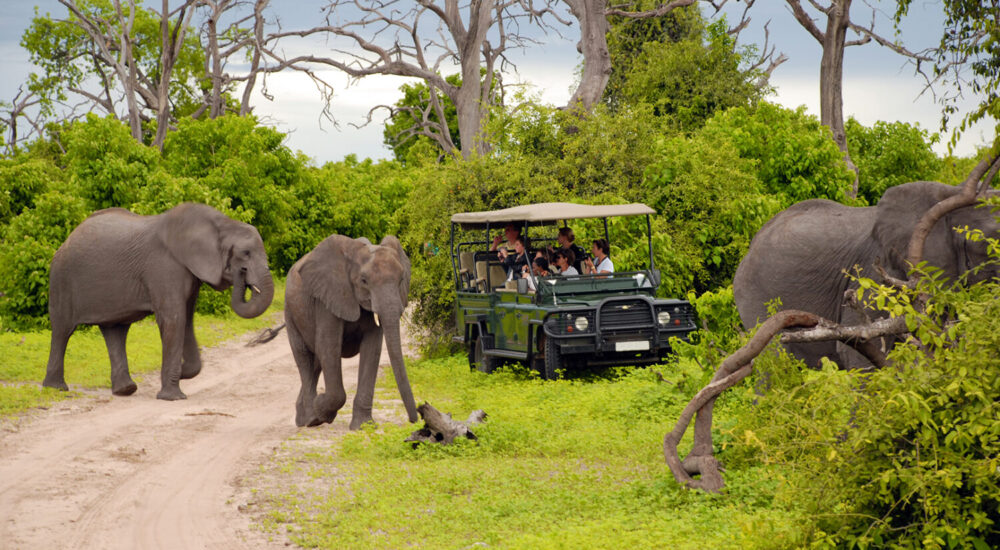
African Safari River Adventures and Boat Safaris African safaris are often associated with thrilling…
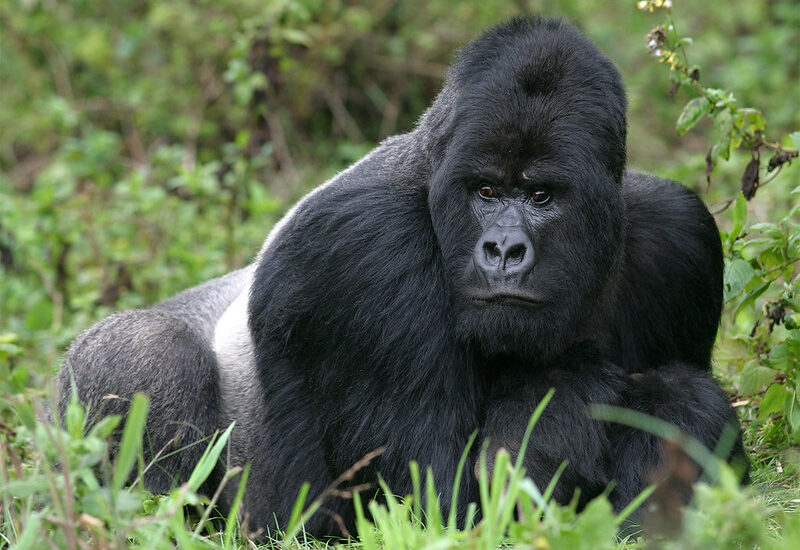
What happens if a gorilla charges?
What Happens If a Gorilla Charges? Understanding Gorilla Behavior and Safety Tips
Gorilla trekking is one of Africa’s most thrilling wildlife experiences. Trekking through the lush forests of Uganda, Rwanda, or the Democratic Republic of Congo to see these gentle giants up close is an unforgettable adventure. However, one question often arises among tourists: what happens if a gorilla charges? Understanding gorilla behavior, the reasons behind charges, and how to respond can ensure a safe and rewarding encounter.
In this article, we will explore gorilla behavior, the science behind gorilla charges, real-life examples from trekking experiences, and practical safety tips from gorillatrackings.com.
Why Do Gorillas Charge?
A gorilla charging is often misunderstood. While it may look aggressive and dangerous, a charge is usually a warning display rather than a direct attack. Gorillas are generally gentle creatures who avoid confrontation unless they feel threatened.
There are several reasons a gorilla might charge:
-
Territorial Behavior
Gorillas are highly social animals that live in groups called troops, usually led by a dominant silverback male. The silverback is responsible for protecting the group from intruders. A charge can be a way to assert dominance and mark territory. -
Warning Signals
A gorilla charge often includes hoots, chest beating, and loud vocalizations. These are warning signs telling observers or potential threats to back off. It’s a form of communication rather than an immediate plan to attack. -
Perceived Threats
Gorillas are curious but cautious. If a gorilla senses that humans are invading its personal space or acting unpredictably, it may charge to intimidate and create distance. -
Protecting Offspring
Silverback gorillas are extremely protective of their young. A charge might occur if a gorilla feels its infants are threatened.
What Does a Gorilla Charge Look Like?
A gorilla charge can be intimidating, but it usually follows a pattern of warning behaviors:
-
Chest Beating: The gorilla beats its chest with open hands to produce a loud sound.
-
Vocalizations: Growls, roars, and hoots signal displeasure.
-
Stomping or Charging: The gorilla may run toward humans or objects, often stopping short.
-
Posture: Standing on hind legs and puffing up makes the gorilla appear larger and more threatening.
Despite the dramatic display, actual attacks are rare. Gorilla experts and trackers emphasize that most charges are bluff displays designed to discourage humans from getting too close.
For more insights into gorilla behavior, visit Monumental Expeditions and safaris.
Real-Life Gorilla Charge Experiences
Many tourists visiting Bwindi Impenetrable Forest in Uganda or Volcanoes National Park in Rwanda have witnessed gorilla charges during trekking. Guides from gorillatrackings.com report that:
-
Charges often occur when tourists inadvertently approach too closely or make sudden movements.
-
Silverbacks rarely make contact; they usually stop and observe from a short distance.
-
Experienced trackers can anticipate gorilla reactions and advise trekkers on safe positioning.
These experiences highlight the importance of having a professional guide during a gorilla trekking tour. They can interpret gorilla body language and ensure that the encounter remains safe and memorable.
How to Stay Safe During a Gorilla Charge
Safety is paramount when observing wild gorillas. Here are expert tips to stay safe if a gorilla charges:
-
Stay Calm
Sudden movements or loud noises can escalate the situation. Remaining calm and still is key. -
Follow Your Guide’s Instructions
Professional trackers know gorilla behavior and will guide you on where to stand, when to move, and how to react. -
Do Not Make Eye Contact
Direct eye contact may be interpreted as a challenge. Instead, keep the gorilla in your peripheral vision. -
Move Slowly Backwards
If a charge seems imminent, back away slowly without turning your back completely. -
Keep a Safe Distance
Gorilla permits and park rules usually require visitors to maintain a minimum distance of 7 meters (23 feet) from the gorillas. Respecting this rule reduces the likelihood of charges. -
Avoid Flash Photography
Flash can startle gorillas and trigger aggressive behavior. Use natural light and follow park guidelines. -
Do Not Run
Running may trigger a chase response, so it’s crucial to stay composed and follow guide instructions.
The Science Behind Gorilla Aggression
Gorilla aggression is often misinterpreted as dangerous when it is primarily social and communicative. Scientists studying gorilla behavior in the wild have found that:
-
Silverbacks use aggression to maintain social order within the troop.
-
Chest beating and charges are often ritualized displays, not predatory behavior.
-
Most conflicts are resolved through vocalizations and body posturing rather than physical contact.
Understanding this context helps trekkers appreciate the gorilla’s behavior as a natural survival mechanism rather than a threat.
Why Gorilla Trekking Is Safe Despite Charges
While the idea of a gorilla charge may sound frightening, gorilla trekking is generally very safe. Millions of tourists have observed gorillas without incident, thanks to professional guides, strict park rules, and responsible tourism practices.
Key safety factors include:
-
Professional Guides: Trackers know the troop’s behavior and can prevent dangerous encounters.
-
Strict Permits: Only a limited number of tourists are allowed per day, reducing stress on gorillas.
-
Education: Visitors are briefed on how to behave in gorilla presence.
For booking safe and guided treks, visit Monumental Expeditions and Safaris.
Fascinating Facts About Gorilla Behavior
Understanding gorilla behavior can make a trekking experience even more fascinating:
-
Gentle Giants: Despite their strength, gorillas are generally peaceful and social animals.
-
Family Bonds: Troops are close-knit, with silverbacks, females, and offspring forming strong bonds.
-
Non-verbal Communication: Gorillas communicate with gestures, facial expressions, and vocalizations.
-
Diet: Mostly herbivorous, feeding on leaves, fruits, and bamboo shoots.
-
Conservation Status: Mountain gorillas are endangered, making responsible tourism crucial.
Explore more about gorilla conservation and trekking experiences at gorillatrackings.com/conservation.
Conclusion
A gorilla charge can be a startling sight, but it is usually a warning rather than an attack. By understanding gorilla behavior, following professional guidance, and maintaining a safe distance, visitors can enjoy a once-in-a-lifetime wildlife encounter safely.
Whether you’re trekking through Bwindi Impenetrable Forest, Volcanoes National Park, or any other gorilla habitat, remember that these gentle giants are mostly peaceful and fascinating to observe. Respect their space, appreciate their natural behavior, and enjoy the magical experience of seeing gorillas in the wild.
For the best and safest gorilla trekking experience, including tips, itineraries, and booking information, visit Monumental Expeditions and Safaris.
Related Posts