Gorilla Trekking Rwanda from Dubai: The Ultimate Luxury Safari Guide Travelers based in Dubai are…
Ultimate Guide to Gorilla Trekking in East Africa
Ultimate Guide to Gorilla Trekking in East Africa: Rwanda, Uganda & DRC
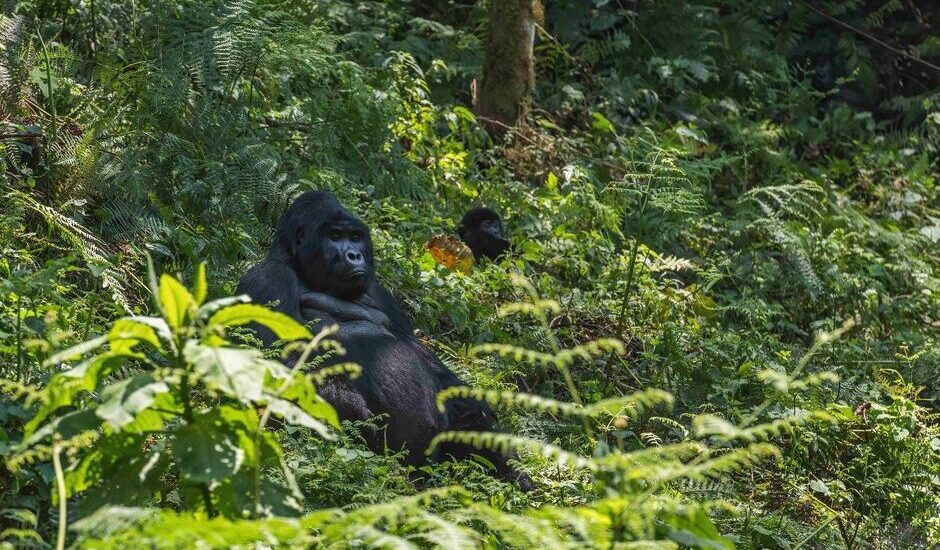
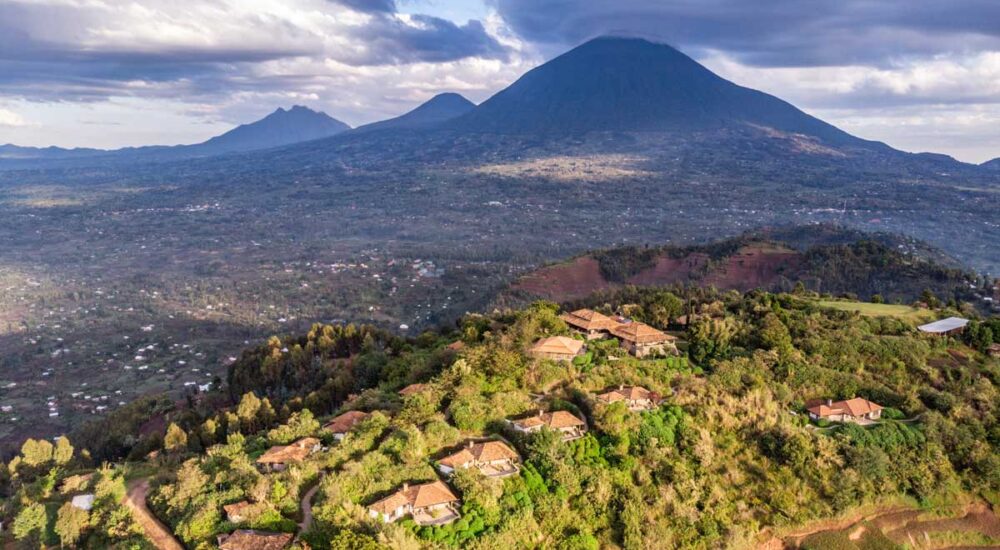
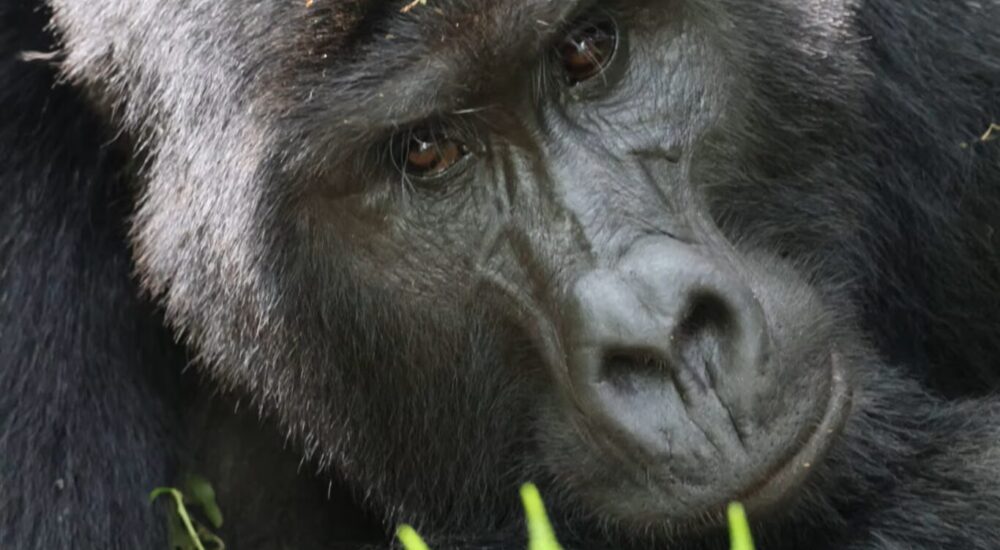
Gorilla trekking is one of the most extraordinary wildlife adventures available on the planet. This guide takes you deep into the lush forests of Rwanda, Uganda, and the Democratic Republic of Congo (DRC)—home to the last remaining mountain gorillas.
1. Why Gorilla Trekking Matters
- Conservation Support: Permit fees protect gorillas and fund local communities.
- Rare Experience: Less than 1,100 mountain gorillas remain globally.
- Intimate Encounters: Small group access (8 people max) and a 1-hour visit per trek.
2. Gorilla Trekking Permit Costs by Country
Uganda
- Foreign non-residents: $800
- Foreign residents: $700
- East African citizens: UGX 300,000 (~$78)
- Gorilla habituation experience: $1,500 (4-hour encounter)
Rwanda
- Foreign non-residents: $1,500
- Foreign residents: $500
- East African citizens: $200
- Volcanoes + Nyungwe combo permit: $1,050
DR Congo (Virunga)
- High season: $400
- Low season: $200
Permit Comparison Table
| Country | Foreigners | Residents | East African Citizens |
|---|---|---|---|
| Uganda | $800 | $700 | UGX 300,000 |
| Rwanda | $1,500 | $500 | $200 |
| DRC | $400 / $200 | – | – |
3. How to Book Gorilla Permits
- Uganda: Book via Uganda Wildlife Authority or trusted tour operator.
- Rwanda: Use Irembo.gov.rw or a registered local agency.
- DRC: Book through tour operators who liaise with the Virunga Foundation.
4. Best Time for Gorilla Trekking
- Dry Seasons: June–September and December–February offer best trail conditions.
- Wet Seasons: March–May and October–November; more mud but fewer crowds.
5. Country-by-Country Trekking Insights
Uganda – Bwindi & Mgahinga
- Over 20 habituated families in Bwindi, 1 in Mgahinga.
- Option for 4-hour habituation trek.
- More challenging terrain, but very rewarding.
Rwanda – Volcanoes National Park
- Accessible within 2–3 hours from Kigali.
- 12 habituated families available for tracking.
- Premium experience, well-developed tourism infrastructure.
DRC – Virunga National Park
- Least visited but most rugged and wild.
- Requires special security escort; check safety status before booking.
- Great option for adventure travelers on a budget.
6. What to Expect During a Trek
- Hikes last 1–8 hours depending on gorilla location.
- Once located, you’ll spend 1 hour observing them.
- Accompanied by rangers and trackers with rifles for safety.
7. Fitness, Health & What to Pack
- Waterproof hiking boots
- Long-sleeve shirt and trousers
- Rain jacket, gardening gloves
- Insect repellent, walking stick, snacks
- Mask (required in Rwanda)
8. Sample Itineraries
Uganda
4–5 day itinerary combining Bwindi gorilla trekking and Queen Elizabeth Safari or Kibale chimps.
Rwanda
3-day luxury trip: Kigali → Volcanoes NP → return. Can add golden monkey or cultural visit.
DR Congo
5–7 day adventure: Gorilla trek + Mt Nyiragongo volcano hike or lowland gorillas (Kahuzi-Biega).
9. Total Costs Beyond Permits
- Transport: $100–$500+ depending on distance
- Accommodation: $100 (budget) to $1000+ (luxury)
- Porters: $20–30/day, Sedan chairs: ~$400
- Visas: Single ($50), East Africa ($100)
- Tips & Gear: $50–150 depending on needs
10. Travel Safety and Ethics
- Strict rules on illness—no trekking if sick
- 5-meter distance rule, no flash photography
- Protective masks and hygiene encouraged
11. Real Traveler Insights
“We always felt safe with our guides and armed escorts. It was challenging, but unforgettable.” – Reddit User
“Please hire a porter. Their strength and stories made the trek memorable. Tip well!” – Safari Traveler
12. Quick Planning Checklist
- Choose your country: Uganda, Rwanda, or DRC
- Book your permit 3–6 months ahead
- Plan transport & secure visas
- Reserve lodges near your trekking base
- Pack essentials and stay healthy
13. Final Thoughts
Gorilla trekking in East Africa is more than a bucket list item—it’s a life-changing, conservation-supporting journey. Whether you choose the accessible paths of Rwanda, the varied terrain of Uganda, or the raw wilderness of the DRC, each trek is a chance to connect with our planet’s most iconic species—and make a difference while doing it.
Related Posts