African Safari Travel Guide for 2026 An African safari is one of the most thrilling…
Tribes in South Sudan
Exploring the Diverse Tribes and Rich Culture of South Sudan
South Sudan is one of Africa’s most culturally rich nations, home to 64 distinct tribes that together weave an extraordinary tapestry of traditions, languages, and lifestyles. From the Nilotic cattle herders along the Nile to the agro-pastoralist mountain tribes of Equatoria, each group offers a glimpse into centuries-old customs that define South Sudan’s culture and identity.
If you’re an adventurous traveler eager to explore authentic African traditions, South Sudan’s tribal heritage promises an unforgettable journey. Let’s dive into the fascinating world of South Sudan’s tribes and ethnic groups.
The Cultural Soul of South Sudan
South Sudan’s population is a mosaic of Nilotic, Sudanic, and Bantu peoples, each with unique languages and cultural practices. Many of these tribes share similar social structures — emphasizing cattle, age-set systems, and communal living. Despite modernization and conflict, the people of South Sudan have preserved their cultural roots through music, dance, storytelling, and traditional ceremonies.
The Major Tribes of South Sudan
1. The Dinka Tribe
The Dinka, the largest ethnic group in South Sudan, number over 4.5 million people. They inhabit the central Nile valley and are known for their cattle-centered culture — where wealth, marriage, and status are tied to livestock ownership.
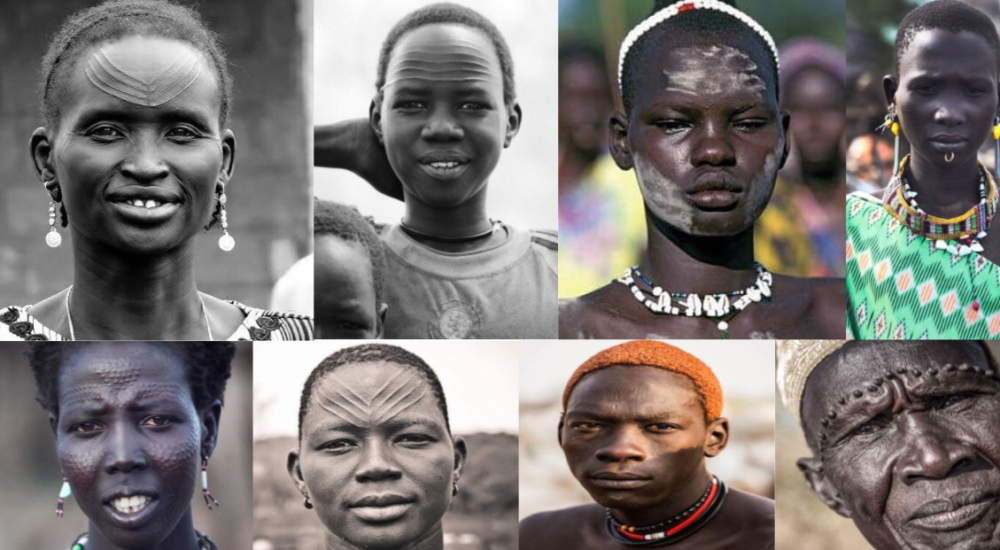
The Dinka speak a Nilotic language and have deep spiritual ties to their cattle, viewing them as sacred gifts from God. Ceremonial dances, body scarification, and storytelling are central to their traditions.
2. The Mundari Tribe
The Mundari are another Nilotic tribe famous for their striking appearance, ritual scarification, and unique relationship with cattle. Near the White Nile, they live a semi-nomadic life, moving with their herds seasonally.
Mundari warriors are known for their vibrant body art and protective rituals performed at dusk to safeguard their livestock. Visiting the Mundari cattle camps offers travelers an incredible opportunity to witness one of Africa’s most photogenic and traditional lifestyles.
Tip: Visit the Mundari during the dry season for the best photo opportunities — plan your cultural expedition with Monumental Expeditions and Safaris
3. The Nuer Tribe
Closely related to the Dinka, the Nuer live in the Upper Nile region. They, too, are cattle herders and follow a deeply spiritual life that links human identity to cattle and ancestral spirits.
Nuer society is built around kinship and clan systems, and like the Dinka, they practice scarification and cattle sacrifice during important rites of passage.
4. The Toposa and Jiye Tribes
Part of the Karamojong cluster (which includes groups in Uganda, Kenya, and Ethiopia), the Toposa and Jiye are pastoralists who value cattle and weaponry as symbols of status and protection.
Cattle raids and border conflicts are a historic part of their life, but their resilience and warrior traditions make them among the most fascinating tribes in Eastern Equatoria.
5. The Lotuko (Otuho) Tribe
The Lotuko or Otuho people inhabit the mountain ranges around Imatong, South Sudan’s highest peak. They are agro-pastoralists, raising cattle and cultivating crops like sorghum and maize.
Land in Lotuko society is communal, with families sharing farming areas — reflecting a strong sense of unity and cooperation.
6. The Larim Tribe
The Larim (also known as Buya) are skilled builders and artists, known for intricate body scarification and facial markings. They cultivate sorghum and beans, and their traditional architecture is admired for its unique circular huts.
Widowed women often wear plant stems as mourning symbols — a reflection of the tribe’s deeply spiritual traditions.
7. The Kuku Tribe
Living mainly in Kajokeji County, the Kuku are a Bari-speaking people known for mixed farming, bee-keeping, and community-centered living. They are peaceful agriculturalists who value cooperation, education, and faith.
Visiting Kuku communities offers travelers an authentic experience of South Sudanese hospitality and cultural pride.
8. The Acholi People
The Acholi, part of the Luo group, are found in both South Sudan and Northern Uganda. Their culture revolves around storytelling, music, and the famous Bwola dance. Although only about 45,000 live in South Sudan, their traditions and folklore are significant to the region’s identity.
9. The Lango Tribe
The Lango, found in Ikwoto County, are Paranilotic farmers with elaborate age-grade initiation systems. Young initiates undergo seclusion and rituals before returning to society as adults. Their customs around marriage, discipline, and social conduct are among the most structured in the country.
10. The Lokoya and Lopit Tribes
The Lokoya and Lopit tribes, residing near Torit and the Lopit Mountains, are known for their music, dance, and colorful festivals. They practice agro-pastoralism and maintain strong community governance through age-group leadership systems.
Their mountainous homeland offers breathtaking landscapes — a hidden gem for cultural tourism and hiking enthusiasts.
Other Prominent Ethnic Groups of South Sudan
South Sudan’s diversity extends far beyond its major tribes. Here are some of the other significant groups that contribute to the nation’s cultural wealth:
-
Aja people: Skilled farmers and goat herders found near Raga town.
-
Adio tribe: Small agricultural group in Central Equatoria, related to the Azande.
-
Anyuak people: River-dependent farmers and fishermen along the border with Ethiopia.
-
Lugbwara (Lugbara): Found in Morobo County, sharing roots with Uganda’s West Nile people.
-
Lulubo people: Inhabit the hills south-east of Juba, known for hunting traditions.
-
Maban people: Nilotic agriculturalists with unique matrilineal clan systems.
-
Madi people: Peaceful agriculturalists spread between Nimule (South Sudan) and Moyo (Uganda), known for their chiefdom governance and spiritual beliefs.
Preserving South Sudan’s Cultural Heritage
Many of South Sudan’s tribes face challenges due to modernization, migration, and climate change. Traditional ways of life — from scarification and dance rituals to pastoral herding systems — are evolving. Yet, local communities and international organizations such as UNESCO are working to preserve the country’s rich cultural heritage.
Travelers visiting South Sudan can play a role in this preservation by engaging respectfully with local communities, supporting local guides, and learning from indigenous traditions.
Travel Tips for Visiting South Sudan’s Tribal Regions
-
Always travel with a licensed local guide familiar with the language and customs.
-
Respect traditional dress codes and ask permission before photographing people.
-
The best time to visit is during the dry season (November to April).
-
Cultural visits can be combined with wildlife safaris or gorilla trekking tours in neighboring Uganda and the DRC.
Experience South Sudan’s Living Traditions with Monumental Expeditions
Exploring the tribes and culture of South Sudan offers travelers a chance to step into Africa’s living history — a land where cattle camps, scarification, and storytelling are not relics of the past but part of daily life.
Plan your cultural adventure with Monumental Expeditions and Safaris, your trusted partner for East African wildlife safaris and cultural expeditions. Whether you want to meet the Mundari cattle herders, explore Lotuko villages, or experience the vibrant festivals of the Lopit, Gorilla Trackings ensures safe, authentic, and deeply enriching travel experiences.
Book your South Sudan cultural expedition today and immerse yourself in the heart of Africa’s newest nation — where heritage, humanity, and nature meet.
Related Posts