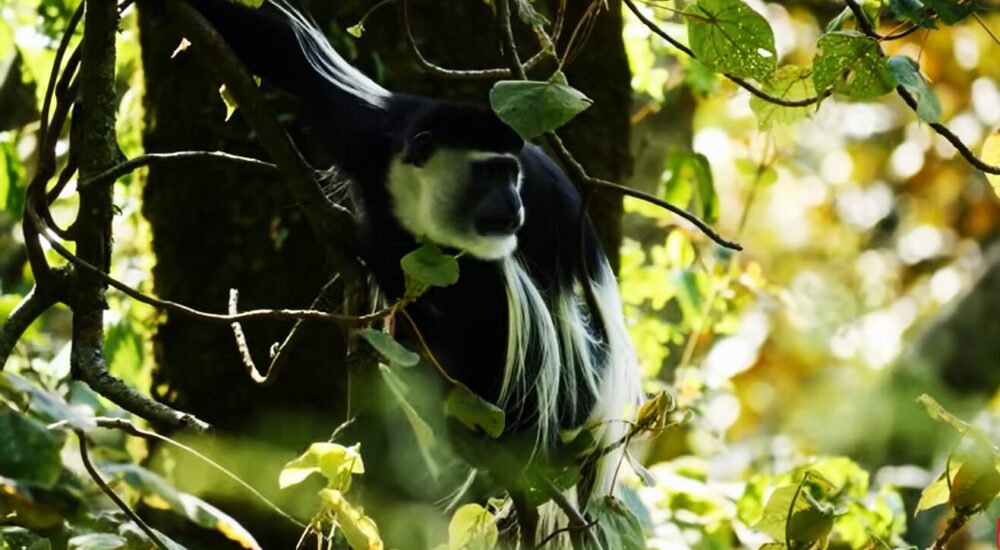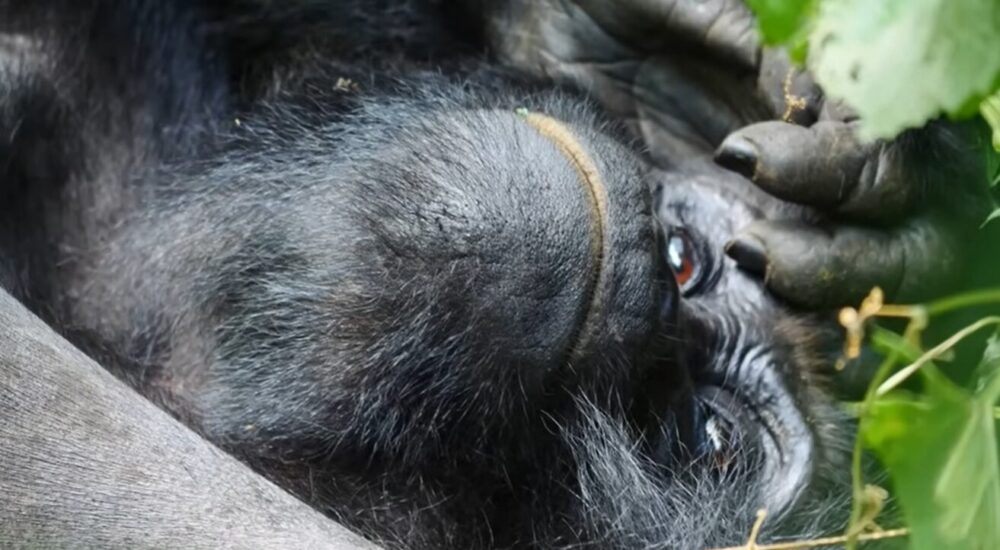
Primate Trekking Safaris in Uganda: An Unforgettable Wildlife Experience Uganda, fondly known as the “Pearl…
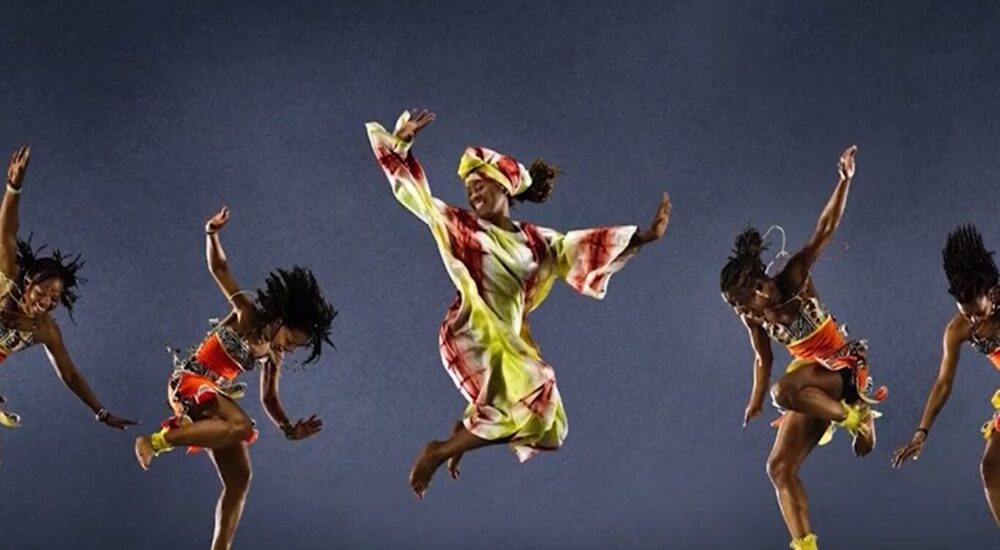
The Ugandan Fashion Scene
The Ugandan Fashion Scene
Uganda’s fashion industry is experiencing a dynamic transformation, blending traditional craftsmanship with contemporary design, and embracing sustainability. From Kampala’s bustling markets to international runways, Ugandan designers are making their mark globally. This blog delves into the evolution of Uganda’s fashion scene, highlighting key designers, emerging trends, and the industry’s challenges and opportunities.
A Rich Tapestry of Tradition and Innovation
Uganda’s fashion landscape is deeply rooted in its rich cultural heritage. Traditional garments like the gomesi and busuuti are symbols of the nation’s identity. However, contemporary Ugandan fashion is redefining these traditions, integrating modern aesthetics with cultural elements to create unique designs that resonate both locally and internationally.
Notable Designers Shaping the Industry
- Brenda Maraka: A pioneer in Ugandan fashion, Brenda Maraka blends cultural elements with modern design. She gained international recognition by designing outfits for figures like Lupita Nyong’o and Phiona Mutesi for the Queen of Katwe premiere. Her label, Brendamaraka, launched in 2007, represents Uganda’s tropical identity and aims to elevate Kampala’s status as a fashion hub.
- Stella Atal: Known for using eco-friendly, natural, and recycled materials, Stella Atal’s designs have showcased at Africa Fashion Week New York and Green Fashion Switzerland. She won the African Designer of the Year award by the Ethical Fashion Awards in 2008 and has been featured in Italian Vogue.
- Bobby Kolade: A former Balenciaga designer, Bobby Kolade launched Buzigahill, a brand aimed at reviving Uganda’s textile industry by upcycling secondhand clothing. His project, “Return to Sender,” repurposes clothes bought from Uganda’s secondhand market and redesigns them with a unique aesthetic, integrating Ugandan identity into the pieces.
Emerging Ugandan Fashion Brands
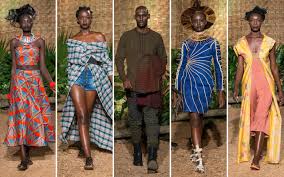 Several emerging brands are gaining attention for their innovative designs and commitment to sustainability:
- Fidah Clothing: Tailored for independent thinkers, Fidah Clothing captures the brand’s ethos of catering to the carefree and unique nature of distinct members of society.
- Keesha: Known for its show-stopping pieces, Keesha embraces bold, primary colors and sumptuous textures, offering a fluid approach to silhouettes that are wearable yet futuristic.
- Pia Royals: Pia Royals showcases a mash-up of influences and amazing fabrication, featuring uniquely hand-crafted techniques that surprise and delight.
- Aloo Leather: Specializing in premium bags and accessories, Aloo Leather creates products that provide one-of-a-kind function along with the highest quality materials, catering to travelers and adventurers.
- Swave: A Ugandan manufacturer of shoes, Swave produces high-quality sneakers, ballerinas, safety shoes, school shoes, and tactical boots, portraying an authentic African story.
- Mshona: Known for refreshing visions of femininity, Mshona’s designs are size-inclusive and tell stories of a diverse range of women, with delicate, often ethereal designs favored by consumers and celebrities alike.
- Yusmah Fashions: Yusmah Fashions is recognized for its regal designs that scream luxe sophistication, paving the way in Ugandan fashion.
Fashion Trends Among Ugandan Youth
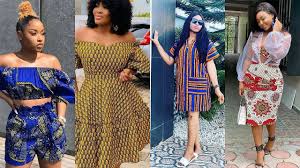 In 2024, Ugandan youth embraced fashion trends that emphasized self-expression, sustainability, and bold aesthetics:
- Streetwear Influence: Inspired by global streetwear icons and popularized by local musicians, this trend represented comfort and self-expression. Kampala’s street markets, such as Owino, became hotspots for sourcing unique and affordable pieces that fit this trend.
- Sustainable Fashion: Many young people opted for second-hand clothing not just for affordability but also to reduce waste and promote circular fashion. Local artisans gained prominence for creating accessories and clothing from recycled materials, further promoting eco-friendly fashion.
- Bold Colors: The fashion scene was vibrant, with Ugandan youth embracing neon greens, fiery oranges, and electric blues in their wardrobes, making bold fashion statements.
Challenges Facing the Ugandan Fashion Industry
Despite the growth and innovation, the Ugandan fashion industry faces several challenges:
- Competition from Imports: The dominance of second-hand clothes in the market undercuts local producers on price, making it difficult for local designers to compete.
- Outdated Technology: Antiquated machinery in some factories hampers efficiency and product quality, limiting the industry’s potential.
- Limited Access to Financing: High-interest rates and restricted access to capital constrain investments in modern equipment and expansion, hindering the growth of the fashion sector.
- Intellectual Property Concerns: Without proper legal frameworks in place, designers may face difficulties in protecting their designs from plagiarism and counterfeit production.
Opportunities for Growth and Development
Despite these challenges, there are significant opportunities for the Ugandan fashion industry:
- Government Support: The Ugandan government has identified the textile industry as a priority sector for economic diversification. Initiatives like the Buy Uganda Build Uganda (BUBU) Policy encourage public institutions to procure locally-made textiles, supporting local designers and manufacturers.
- Infrastructure Development: Establishing industrial parks and ensuring reliable energy supply can lower production costs, making it easier for designers to scale their businesses.
- International Exposure: Platforms like Africa Fashion Week New York and Green Fashion Switzerland provide Ugandan designers with opportunities to showcase their work on international stages, gaining global recognition and expanding their markets.
- Sustainable Practices: Embracing sustainable materials and production methods can attract environmentally-conscious consumers and position Uganda as a leader in ethical fashion.
Conclusion
Uganda’s fashion scene is a vibrant tapestry of tradition, innovation, and sustainability. With a rich cultural heritage, a new generation of talented designers, and increasing support from both the government and international platforms, Uganda’s fashion industry is poised to thrive. As Ugandan designers continue to embrace sustainability, innovation, and cultural pride, they are paving the way for a bright future in the global fashion landscape.
Related Posts