African Safari Travel Guide for 2026 An African safari is one of the most thrilling…
The Safari Anti-Bucket List: 8 Things to Avoid in Africa & What to Do Instead
The Safari Anti-Bucket List: 8 Things to Avoid in Africa & What to Do Instead
When planning an African safari, it’s easy to focus on the must-see animals, breathtaking landscapes, and luxury lodges. But what about the things you should avoid? Enter the Safari Anti-Bucket List — a guide to common mistakes, pitfalls, and tourist traps that can spoil your safari experience. Better yet, we’ll tell you what to do instead, so your 2026 trip to Africa is seamless, unforgettable, and truly immersive.
Whether you’re a first-time traveler or a seasoned safari-goer, this list will help you steer clear of the typical safari missteps, and instead, engage in meaningful, respectful, and exciting experiences.
1. Avoid Rushing Through Safari Parks — Take Your Time Instead
What to Avoid:
Many travelers try to “tick off” as many parks as possible, squeezing in multiple safaris in a short time. This often leads to superficial experiences, rushed game drives, and fatigue.
What to Do Instead:
Plan a focused itinerary that allows you to spend several days in one or two parks. For example, instead of visiting three parks in a week, dedicate 4 days in the Serengeti or Masai Mara to fully absorb the wildlife rhythms and appreciate the ecosystem.
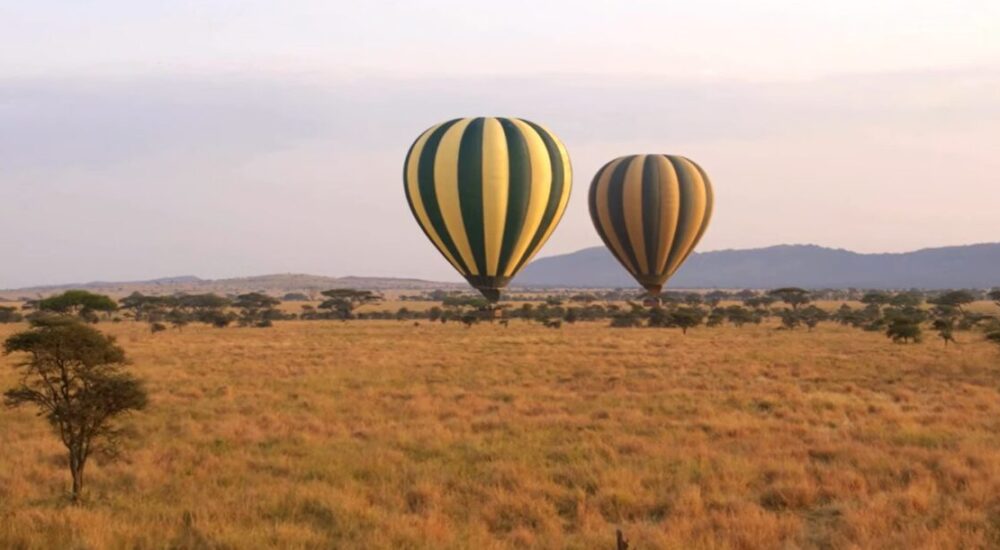
Example: Spend 4 nights in the Masai Mara during the wildebeest migration, giving you time for morning and evening game drives and a hot air balloon safari.
Why: Animals move unpredictably, and longer stays increase your chances of spotting elusive predators and witnessing unique behaviors.
2. Avoid Disrespecting Wildlife and Local Cultures — Practice Responsible Tourism
What to Avoid:
Getting too close to animals, making loud noises, or ignoring park rules can disturb wildlife. Similarly, disregarding local customs or failing to support community initiatives hurts the broader ecosystem.
What to Do Instead:
Follow your guide’s instructions carefully and maintain a respectful distance from animals. Learn about and respect the cultures of local tribes like the Maasai or Himba, and support community-run tourism projects.
Example: Visit community-run conservancies in Kenya, where tourism funds local schools and wildlife protection.
Why: Responsible tourism protects Africa’s natural heritage and benefits local people, creating a more authentic and ethical safari experience.
3. Avoid Overpacking — Pack Smart and Light
What to Avoid:
Bringing heavy luggage or too many unnecessary items. Safari vehicles have limited space, and heavy bags can be a hassle during transfers.
What to Do Instead:
Pack versatile, lightweight clothes in neutral colors, a quality camera, and essentials like insect repellent and sunscreen. Limit your luggage to one carry-on and one checked bag if possible.
Example: A safari packing list might include breathable shirts, a wide-brim hat, binoculars, and a small first aid kit.
Why: Light packing makes travel easier and ensures you can move between camps quickly without stress.
4. Avoid Going in the Wrong Season — Choose the Best Time to Visit
What to Avoid:
Visiting parks during the rainy season or off-peak months when wildlife viewing is poor, lodges may be closed, and roads can be impassable.
What to Do Instead:
Plan your safari during the dry season (usually May to October) when animals congregate at waterholes and migratory herds are on the move.
Example: The Great Migration in the Serengeti/Masai Mara typically peaks from July to October, making it the perfect time to witness river crossings.
Why: Wildlife visibility is significantly better during dry months, and safari logistics run smoother.
5. Avoid Ignoring Health Precautions — Prepare for Malaria and Other Risks
What to Avoid:
Skipping vaccinations, neglecting malaria prophylaxis, or forgetting insect repellent can lead to health problems that ruin your trip.
What to Do Instead:
Consult a travel doctor 6–8 weeks before your trip for recommended vaccines (yellow fever, typhoid, hepatitis) and malaria medication. Use mosquito nets and repellent diligently.
Example: Many safari destinations like Kenya and Tanzania are malaria zones, so taking anti-malaria tablets and wearing long sleeves in the evening is crucial.
Why: Staying healthy ensures you can enjoy every moment without interruptions.
6. Avoid Staying in Only Luxury Lodges — Try a Variety of Accommodations
What to Avoid:
Booking only high-end resorts or camps, missing the chance to experience diverse safari accommodations and authentic local vibes.
What to Do Instead:
Mix luxury lodges with eco-camps, tented camps, or community-run accommodations. This not only enriches your experience but also supports different types of tourism.
Example: Spend a few nights in a luxury tented camp in Botswana’s Okavango Delta, then a night or two in a community-run lodge near Hwange National Park in Zimbabwe.
Why: Different accommodations offer unique perspectives on wildlife, culture, and conservation.
7. Avoid Over-Scheduling Your Safari — Allow for Flexibility and Rest
What to Avoid:
Overloading your itinerary with daily drives, activities, and transfers that leave you exhausted and rushed.
What to Do Instead:
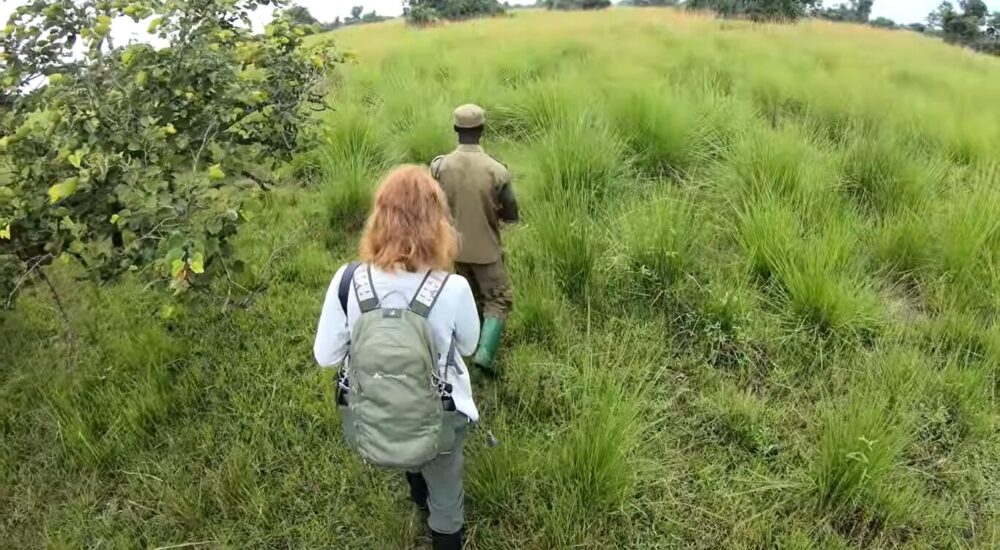
Build in downtime to relax, enjoy lodge amenities, or take a short nature walk. This allows you to recharge and absorb your surroundings more deeply.
Example: Choose camps with spa services or private decks overlooking watering holes where you can unwind between game drives.
Why: Safaris are about experiencing nature — not just ticking off species from a list.
8. Avoid Forgetting Travel Insurance and Important Documents
What to Avoid:
Traveling without comprehensive travel insurance or forgetting crucial documents like visas, vaccination certificates, or park permits.
What to Do Instead:
Purchase travel insurance covering medical emergencies, cancellations, and lost belongings. Make digital and physical copies of passports, visas, vaccinations, and safari permits.
Example: Some countries require proof of yellow fever vaccination on entry, so carry your card at all times.
Why: Being prepared for emergencies and entry requirements avoids stress and disruptions.
Bonus Tips for a Memorable Safari Experience
- Hire Experienced Guides: Guides with local knowledge enhance wildlife sightings and share fascinating insights.
- Use a Good Camera: Capture memories with a DSLR or mirrorless camera with a zoom lens.
- Respect Park Rules: Stick to designated roads and never feed animals.
- Embrace Local Cuisine: Try traditional dishes and drinks to enrich your cultural experience.
- Stay Hydrated and Protected: Carry water, sunscreen, and hats to stay comfortable during drives.
Final Thoughts: Make Your 2026 Safari Unforgettable by Avoiding These Pitfalls
The Safari Anti-Bucket List reminds us that what you avoid is just as important as what you do. By steering clear of rushed itineraries, disrespectful behavior, poor planning, and health oversights, you’ll enjoy a safari that’s authentic, ethical, and truly spectacular.
Ready to start planning your 2026 African safari? Keep these tips in mind, and prepare for a once-in-a-lifetime adventure filled with awe-inspiring wildlife and unforgettable memories.
Related Posts