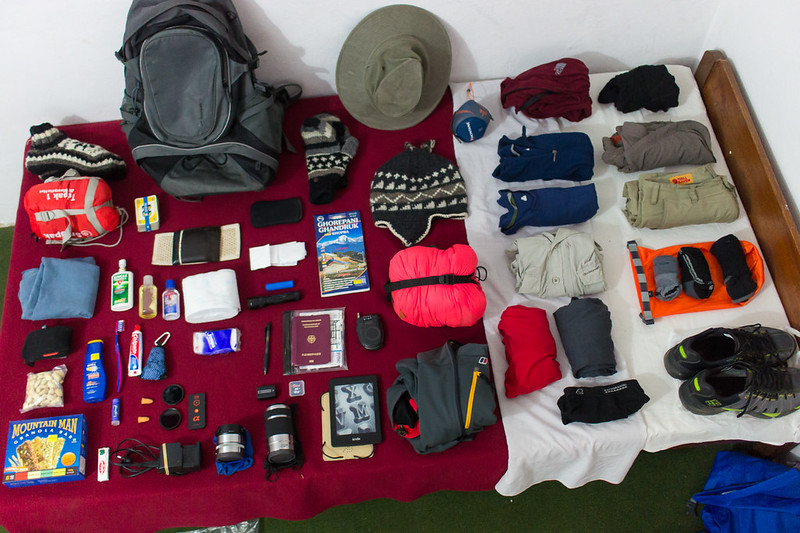
Gorilla Trekking Packing Checklist 2026 – The Ultimate Guide for a Successful Safari If you’re…
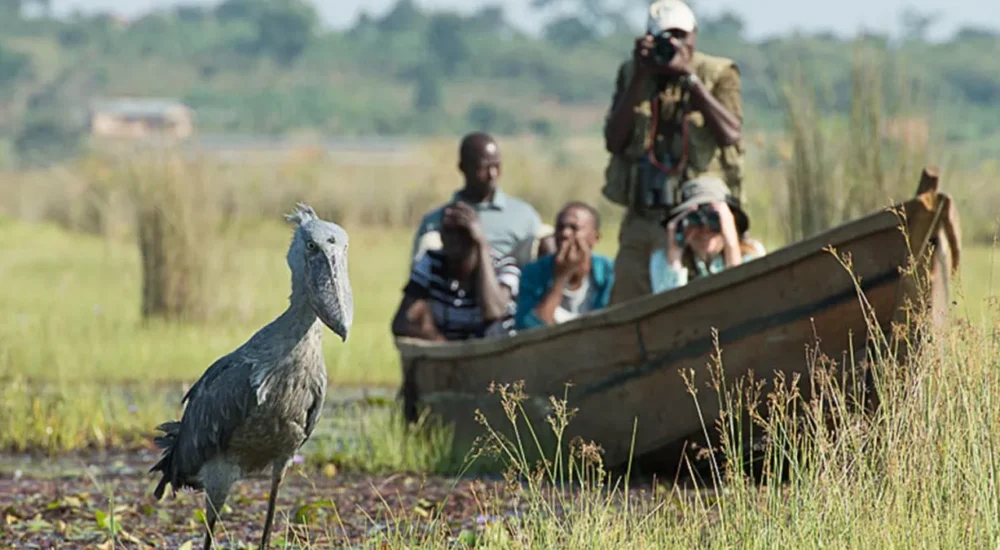
THE ETHICS OF ANIMAL ENCOUNTERS IN UGANDA
THE ETHICS OF ANIMAL ENCOUNTERS IN UGANDA
Learn about ethical animal encounters in Uganda, ensuring responsible wildlife tourism that supports conservation and animal welfare.
Understanding the Ethics of Animal Encounters
Ethical animal encounters are rooted in respect for animal welfare, conservation, and education. As Uganda’s tourism industry grows, it’s vital to ensure that these encounters benefit both wildlife and local communities, rather than exploit or harm the animals.
Key Principles of Ethical Animal Encounters
- Respect for Wildlife: Ethical encounters prioritize the well-being of animals and avoid disrupting their natural behaviors.
- Conservation Impact: Ethical tourism should contribute to preserving wildlife habitats and supporting conservation programs.
- Avoiding Exploitation: Ethical tourism avoids animal performances or activities that exploit wildlife for entertainment.
- Education and Awareness: Ethical encounters include educational aspects that help tourists understand animal behavior and conservation challenges.
Animal Encounters in Uganda: Popular Experiences
Uganda is home to a variety of unique and exciting wildlife experiences, but it’s essential to ensure these encounters follow ethical practices. Here are some popular wildlife activities in Uganda:
1. Gorilla Tracking in Bwindi Impenetrable Forest
Uganda offers the chance to observe the endangered Mountain Gorillas in their natural habitat. Gorilla tracking in Bwindi Impenetrable Forest comes with strict ethical guidelines to ensure the safety and comfort of the gorillas.
- Respect for Gorillas: Maintain a distance of at least 7 meters, avoid loud noises, and follow park rangers’ guidance.
- Sustainable Tourism: A portion of gorilla tracking fees funds conservation efforts and benefits local communities.
- Conservation Impact: Funds raised from permits support anti-poaching and habitat protection programs.
2. Chimpanzee Tracking in Kibale National Park
Track chimpanzees in Kibale National Park, which is home to a large population of wild chimpanzees. Ethical practices ensure that these animals’ welfare is not compromised.
- Respecting Chimpanzee Behavior: Tourists are instructed to avoid disturbing the chimps’ social interactions and never to feed them.
- Supporting Local Communities: Revenue from chimpanzee tracking contributes to community development and conservation programs.
3. Game Drives and Safaris in Uganda’s National Parks
Uganda’s national parks, such as Queen Elizabeth National Park and Murchison Falls National Park, offer game drives and safaris. These experiences should be conducted responsibly to avoid disturbing wildlife.
- Ethical Wildlife Viewing: Always maintain a safe distance from animals and avoid chasing or cornering them.
- Wildlife Conservation Efforts: Many safari operators are involved in conservation efforts, including anti-poaching measures and habitat restoration.
4. Batwa Cultural Encounters in Mgahinga Gorilla National Park
The Batwa people, an indigenous group, offer cultural encounters that teach tourists about their traditions and lifestyle. Ethical practices are key to ensuring these experiences are respectful and culturally sensitive.
- Cultural Respect: Ensure that the Batwa people are treated with dignity, and their traditions are respected during encounters.
The Impact of Unethical Animal Encounters
Not all animal encounters are ethical. Unethical tourism practices can have severe consequences on both wildlife and the environment. Here are some examples of unethical animal tourism practices:
1. Animal Exploitation for Entertainment
Some attractions use wild animals for performances or allow tourists to interact with them in unnatural ways, such as posing for photos with tigers or elephants, which is exploitative and harmful to the animals.
2. Habitat Destruction and Poaching
Tourism that disturbs animal habitats can contribute to deforestation and poaching. Animals removed from their natural environments may suffer from poor living conditions or be subjected to cruel training practices.
3. Distress to Animals
Animals used in unethical tourism practices can experience distress, leading to mental and physical health issues. Captive animals may display abnormal behaviors due to the stress they endure.
How Tourists Can Ensure Ethical Wildlife Encounters
Tourists can play a crucial role in ensuring ethical wildlife encounters by making informed choices and supporting responsible tourism. Here’s how you can ensure your experiences are ethical:
1. Choose Responsible Tour Operators
Look for tour operators committed to ethical practices, such as supporting conservation initiatives and adhering to guidelines that prioritize animal welfare.
2. Avoid Captive Animal Attractions
Avoid attractions that involve animals in captivity or unnatural performances. These activities exploit animals and should be avoided to promote ethical tourism.
3. Follow Guidelines and Respect Wildlife
Always respect the guidelines provided by park rangers and tour guides. Maintain a safe distance from animals, stay quiet, and avoid interfering with their natural behaviors.
4. Support Conservation Efforts
By participating in ethical wildlife tourism, such as gorilla tracking or chimpanzee safaris, you can directly contribute to conservation programs and support local communities.
5. Educate Yourself and Others
Learn about the animals you’ll be encountering, their behaviors, and the conservation challenges they face. Share this knowledge with fellow travelers to raise awareness about ethical wildlife tourism.
Conclusion: Navigating Ethical Animal Encounters in Uganda
Uganda offers some of the most unforgettable wildlife experiences in the world, but it’s essential to engage with these encounters ethically. By respecting wildlife, supporting conservation efforts, and avoiding exploitative practices, tourists can ensure their encounters help preserve Uganda’s rich biodiversity.
As Uganda’s tourism industry continues to grow, it is essential that both tourists and operators work together to protect wildlife, promote sustainable tourism, and contribute to the conservation of Uganda’s natural heritage for future generations.
FAQs About Ethical Animal Encounters in Uganda
- What are the ethical guidelines for gorilla tracking in Uganda?
- Gorilla tracking guidelines include maintaining a 7-meter distance from the gorillas, avoiding loud noises, and following park rangers’ instructions.
- Are there any animal experiences in Uganda that should be avoided?
- Avoid attractions where animals are kept in captivity for performances or photo ops. These exploit animals for entertainment and harm their well-being.
How can I support conservation efforts during my visit?
- Participate in ethical wildlife tourism activities, such as purchasing permits for gorilla and chimpanzee tracking, which support conservation programs.
- What is the role of eco-tourism in wildlife conservation in Uganda?
- Eco-tourism supports wildlife protection by generating funds for conservation programs, creating jobs for local communities, and raising awareness about environmental issues.
What should I do if I see unethical animal tourism practices in Uganda?
- Report unethical practices to the Uganda Wildlife Authority or relevant authorities to ensure proper action is taken to protect animals and promote responsible tourism.
Related Posts