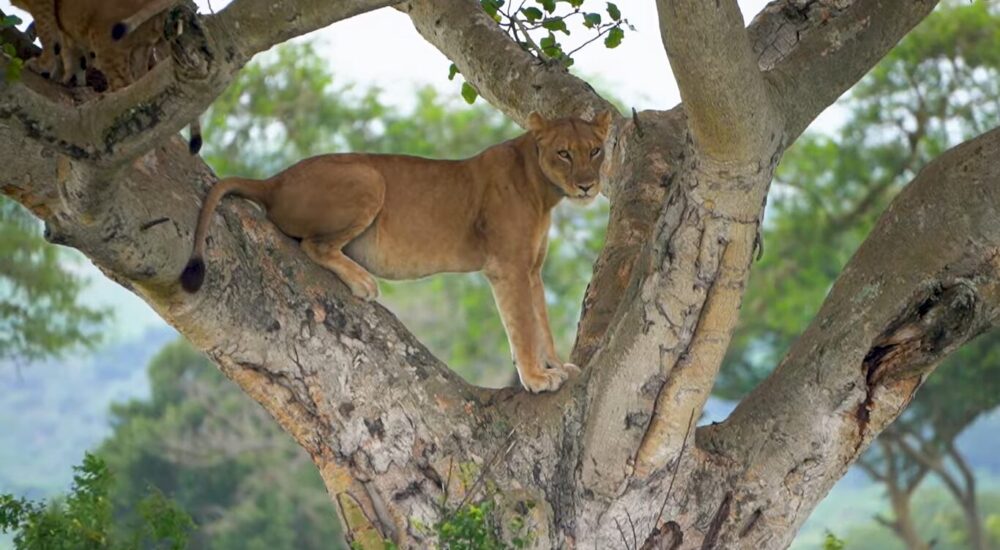
The Tree Climbing Lions of Masai Mara: Nature’s Majestic Climbers The Masai Mara National Reserve…
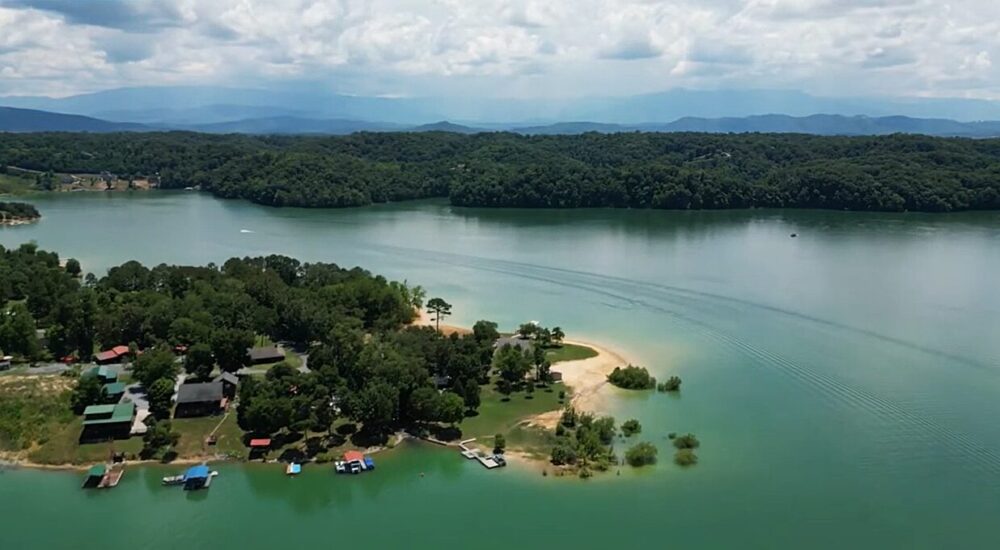
Sacred Waters of Africa: Cultural and Spiritual Connections
Sacred Waters of Africa: Cultural and Spiritual Connections
Water is the source of life, and in Africa, it holds deep cultural and spiritual significance that transcends its physical presence. Across the continent, rivers, lakes, springs, and waterfalls are often revered as sacred waters, intertwined with ancient traditions, religious beliefs, and local customs. From the mighty Nile River to hidden springs in remote villages, these waters embody the connection between people, nature, and the divine.
The Spiritual Importance of Water in African Cultures
Across African societies, water is more than a resource; it is a sacred entity believed to possess life-giving and purifying powers. Many African cosmologies and religions link water with creation myths, spiritual beings, and ancestral spirits.
- Ritual Purification: Many cultures use water in cleansing ceremonies to purify individuals and communities. For example, in the Yoruba tradition, sacred rivers are sites for ritual baths that wash away spiritual impurities.
- Connection to Ancestors: Water bodies are often seen as dwelling places of ancestors or spirits. Offerings and prayers are made at lakes or springs to honor the spirits believed to protect the community.
- Healing Powers: Sacred springs are reputed to have healing properties. Pilgrimages to these sites are common for physical and spiritual healing.
1. The Nile River: Lifeblood and Spiritual Symbol
The Nile, the longest river in the world, flows through multiple African countries and has been a cradle of civilization for millennia.
- Cultural Significance: In ancient Egypt, the Nile was worshipped as a god — Hapi, the giver of fertility and life. The annual flooding of the Nile symbolized renewal and abundance.
- Spiritual Practices: Even today, many communities along the Nile hold ceremonies to honor the river, seeking blessings for good harvests and protection.
- Example: The Mursi tribe of Ethiopia near the Omo River (a Nile tributary) perform rituals involving water to maintain harmony with nature and ancestors.
2. Lake Victoria: The Sacred Heart of East Africa
Lake Victoria, the largest lake in Africa, is central to the cultural and spiritual life of surrounding communities in Kenya, Tanzania, and Uganda.
- Spiritual Beliefs: The Luo and Baganda peoples consider parts of Lake Victoria sacred, associating it with spirits and gods.
- Cultural Practices: Traditional fishing communities conduct rituals before and after fishing expeditions, offering thanks to the lake’s spirit.
- Example: In Uganda, fishermen often perform libations by pouring water from the lake into the river or earth as offerings to their deities.
3. The Okavango Delta: A Sacred Wetland in Botswana
The Okavango Delta is not only a UNESCO World Heritage Site but also a spiritual heartland for the indigenous San and Tswana peoples.
- Cultural Importance: The delta’s waters are considered sacred, representing a connection between the physical world and the spirit realm.
- Ritual Use: Water from the delta is used in ceremonies to invoke rain, fertility, and protection.
- Example: The San people engage in trance dances near water sources, believed to facilitate communication with ancestral spirits.
4. Sacred Springs of the Magaliesberg Mountains, South Africa
The Magaliesberg region is dotted with natural springs regarded as sacred by local indigenous groups such as the Bakgatla.
- Healing Traditions: These springs are pilgrimage sites where people seek cures for ailments through ritual baths.
- Cultural Stories: Folklore tells of water spirits guarding the springs, with taboos against polluting or disrespecting the water.
- Example: Annual ceremonies include offerings to the water spirits to ensure continued health and prosperity.
5. The River Niger: A Spiritual Artery of West Africa
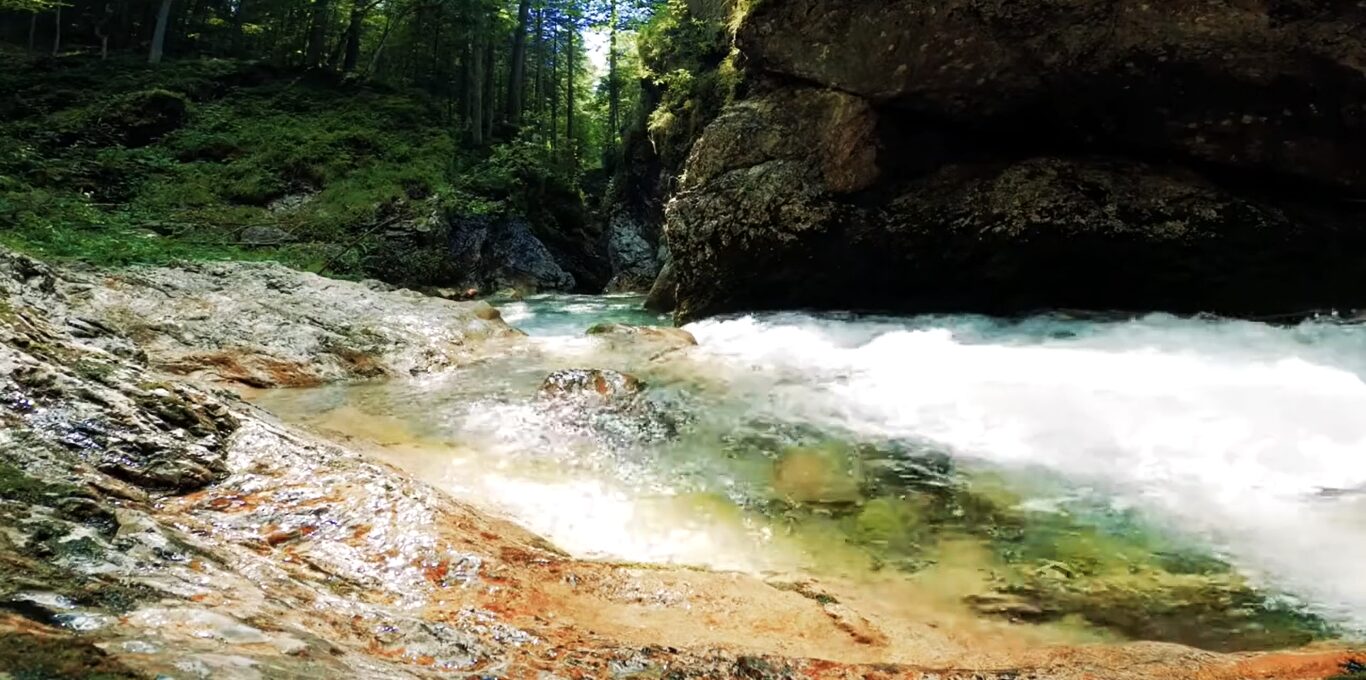
The Niger River is vital to West African cultures, flowing through countries like Nigeria, Mali, and Niger.
- Mythology and Worship: The river is personified in many myths as a goddess or spirit, central to fertility and prosperity.
- Festivals: Communities celebrate with festivals that involve water-based rituals, dancing, and prayers to honor the river spirit.
- Example: The Argungu Fishing Festival in Nigeria includes ceremonial aspects celebrating the river’s abundance.
6. Water and Ancestral Worship in African Traditional Religions
In many African traditional religions, water serves as a bridge between the living and the ancestors.
- Libations: Pouring water during ceremonies is a widespread practice to invite ancestral spirits and seek their guidance.
- Sacred Pools: Some clans maintain secret pools or springs where only initiated members can perform rituals.
- Example: The Zulu people of South Africa perform water libations during important ceremonies to honor ancestors.
7. The Role of Water in African Christianity and Islam
While indigenous beliefs prevail, many African communities integrate water’s sacred role into Christian and Islamic practices.
- Christian Baptism: Water symbolizes spiritual cleansing and rebirth.
- Islamic Ablution: Ritual washing before prayer connects with ancient African respect for water as purification.
- Example: In Ethiopia, the Timkat festival celebrates baptism in the River Jordan, with water playing a central spiritual role.
8. Environmental Stewardship Rooted in Spirituality
Many African communities’ spiritual connection to water translates into traditional ecological knowledge and conservation practices.
- Sacred Groves and Waters: Protecting water sources is both a spiritual and environmental imperative.
- Community Enforcement: Taboos against polluting sacred waters help preserve ecosystems.
- Example: In Ghana, sacred rivers are guarded by local communities, preventing overuse and contamination.
9. Contemporary Challenges and the Future of Sacred Waters
Despite their spiritual importance, many sacred waters face threats from pollution, climate change, and development.
- Cultural Erosion: Modernization risks disconnecting communities from traditional water-related rituals.
- Conservation Efforts: NGOs and local groups work to protect sacred waters by combining traditional knowledge with scientific methods.
- Example: The Nile Basin Initiative promotes sustainable management while respecting cultural heritage.
Conclusion
The sacred waters of Africa are more than physical resources—they are vibrant symbols of culture, spirituality, and identity. From the Nile River’s ancient reverence to the sanctity of springs and lakes across the continent, water shapes the spiritual landscape of Africa in profound ways.
Recognizing and preserving these connections is crucial—not only for cultural heritage but also for environmental sustainability. As Africa continues to evolve, the sacred waters remain a testament to the continent’s enduring bond between people and nature, flowing through generations as a source of life, faith, and hope.
Related Posts