Top African Wildlife: A Complete Guide to Africa’s Most Iconic Animals and Safari Experiences Africa…
Rwenzori Mountain National Park
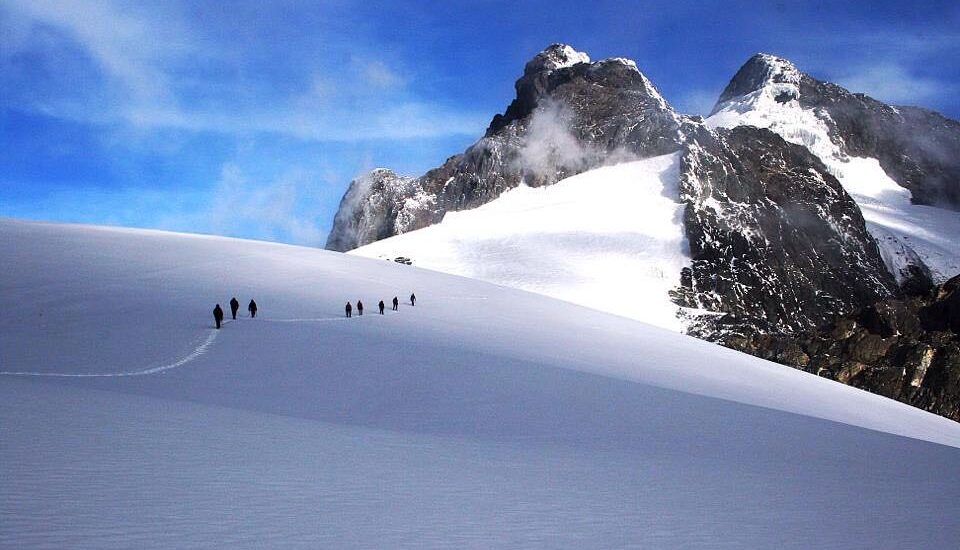
The Rwenzori Mountains are a significant mountain range located along the border between Uganda and the Democratic Republic of Congo. These peaks, towering higher than the Alps, are home to glaciers that feed into the Nile River, the longest river in the world. Margherita Peak, the highest point of the range, stands at 5,109 meters (16,762 feet), making it the third-highest peak in Africa, followed by Mount Stanley, which is also part of the park. The mountain range has historical significance, first identified by the Alexandrian geographer Ptolemy as the “Mountain of the Moon” in 150 CE, and later described as the “Cloud Mountains” by explorer Henry Morton Stanley in 1899.
The Rwenzori Mountain National Park, a UNESCO World Heritage Site, covers nearly 1,000 square kilometers across the districts of Kabarole, Kasese, and Bundibugyo. The park boasts rich biodiversity, including glaciers, waterfalls, unique plant life, and stunning mountainous landscapes.
Activities in Rwenzori Mountains National Park
-
Rwenzori Mountain Trekking: Trekking in Rwenzori is an unforgettable adventure. The trek starts from Kasese town, with options ranging from one-day hikes to eight-day treks reaching the snow zone of the mountains. The treks are challenging, and hikers often find Rwenzori more difficult than Mount Kilimanjaro, although the reward is breathtaking scenery, lakes, and lush vegetation. Reaching the summit of Margherita Peak is a significant achievement and the highlight of the journey.
-
Mountain Hiking: Trails like Lake Mahooma, Buraro Chimp Forest, and the Karangura Ridge offer stunning hikes that lead through forests, waterfalls, and communities. Visitors can also enjoy guided forest walks in areas like Ruboni and Turaco View. The Bwamba Pass offers a challenging, scenic hike through the mountain ridge.
-
Bird Watching: As a designated Key Birding Area by UNESCO, Rwenzori Mountain National Park is home to over 200 bird species, including the Rwenzori Turaco, Archers’ Robin-chat, and Montane Sooty Boubou. Bird watchers will find the park a paradise for spotting rare and endemic species.
-
Cultural Experiences: The park offers a unique opportunity to immerse yourself in the local Bakonzo culture. You can visit the village of Ruboni, learn about the Bakonzo people’s history, and watch cultural performances. The Bulemba-Ihandiro Cultural Trail introduces visitors to the community’s traditional customs, including visits to a traditional healer and blacksmiths.
-
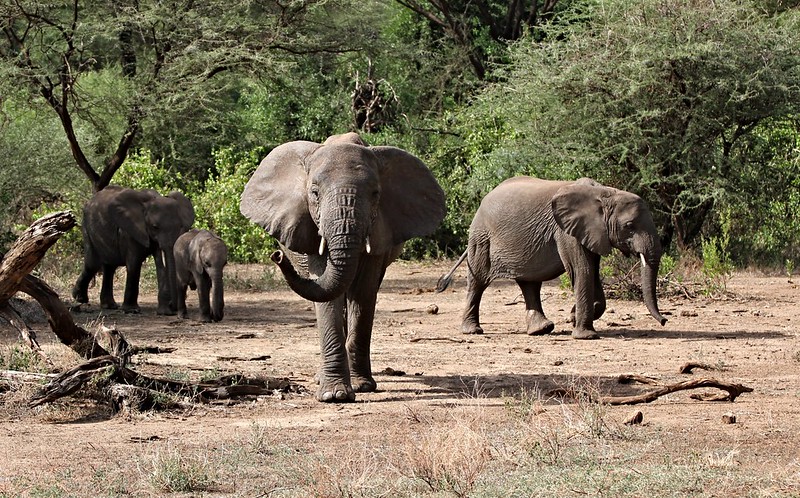
Wildlife Viewing: The park’s lower altitudes are home to various wildlife, including blue monkeys, bushbucks, golden cats, and forest elephants. The area’s diverse ecosystems support numerous species of mammals, reptiles, and amphibians.
Tips for Visiting
-
Pack for Cold Weather: Despite being near the equator, the park’s altitude means it experiences cold temperatures, especially at higher elevations.
-
Prepare for Muddy Trails: The Rwenzori area is known for frequent rainfall, so expect slippery and muddy trails.
-
Fitness: Be in good physical condition, as the hike to the peaks is strenuous, and altitude sickness can be a concern above 3,500 meters.
Best Time to Visit
The ideal months for trekking in the Rwenzori Mountains are from June to August and January to February, as these months experience drier conditions, although the park receives rainfall throughout the year.
Trekking Routes
-
Kilembe Trail: Starting at the Kilembe trailhead, this route takes hikers through the Nyamwamba Valley, offering views of glaciers and scenic peaks, and eventually joins the central circuit at Lake Kitandara.
-
Mahoma Trail: This trail begins at Nyakalengija and ascends through rainforests and bamboo forests, offering excellent views of the Mubuku valley and glimpses of the Rwenzori Mountains.
-
Central Circuit Trail: The most popular and challenging route, this seven-day trek offers a comprehensive tour of the high Rwenzori and includes camping at strategic locations such as Bujuku Valley.
FAQs
-
Why is Rwenzori called “Mountains of the Moon”? The name originates from Ptolemy’s 2nd-century writings, as he believed the mountains were the source of the Nile River.
-
How long does it take to climb Rwenzori? Climbing to the peak typically takes 6-7 days.
-
Cost of Climbing: The cost of trekking in Rwenzori starts at approximately $300 USD per person, with discounts for group bookings.
Related Posts