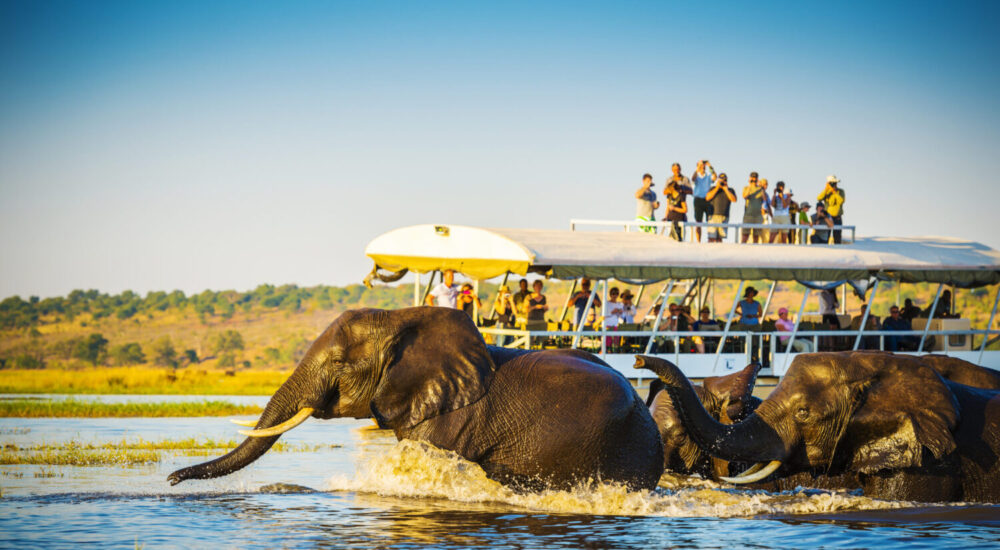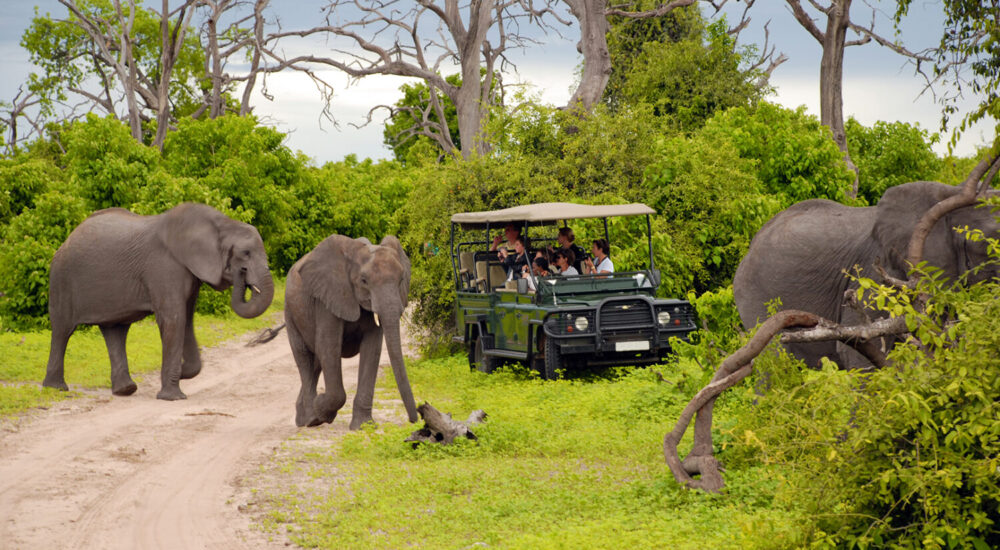
African Safari River Adventures and Boat Safaris African safaris are often associated with thrilling…
Primate Safaris in Rwanda
Primate Safaris in Rwanda with Monumental Expeditions and Safaris
Primate safaris in Rwanda are among the most popular wildlife experiences for visitors. These safaris offer opportunities to observe a wide range of primates, including golden monkeys, vervet monkeys, black-and-white colobus monkeys, as well as great apes such as mountain gorillas and chimpanzees.
Overview of Primate Safaris in Rwanda
Most primate safaris in Rwanda take place in two main national parks:
-
Volcanoes National Park – known for gorilla trekking and golden monkey tracking.
-
Nyungwe Forest National Park – ideal for chimpanzee trekking and viewing other primates, especially black-and-white colobus monkeys.
What to Expect on a Primate Safari in Rwanda
Mountain Gorilla Trekking in Volcanoes National Park
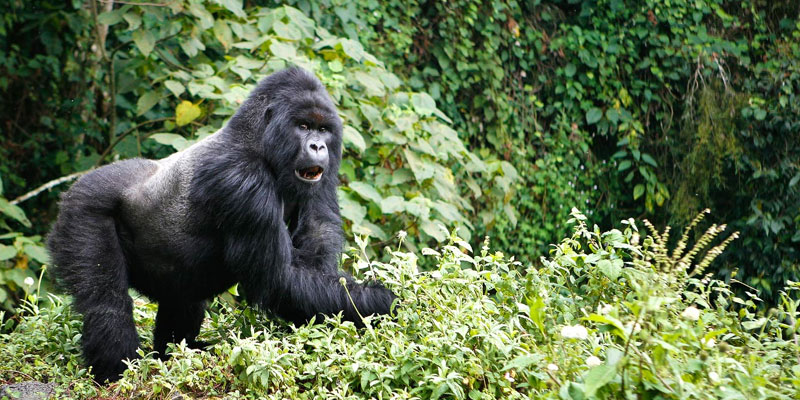
Mountain gorilla trekking is a unique and deeply moving experience. These endangered primates live in the protected forests of Rwanda, Uganda, and the Democratic Republic of the Congo. In Volcanoes National Park, park rangers work tirelessly to protect these gorillas from harm.
During the trek, your guide will lead you through the forest. As you approach a gorilla family, you will move slowly and quietly under the guide’s instructions. You may see a dominant silverback male calmly observing the group, while females and young gorillas feed, play, and groom nearby.
Visitors are allowed to spend one hour with the gorillas. During this time, you can observe their behaviors and take photos. Gorilla trekking is strictly regulated to minimize human impact. Participants must:
-
Be at least 15 years old
-
Be in good physical condition
-
Maintain a 7-meter distance from the gorillas
Only 96 permits are issued per day. Therefore, early booking is strongly recommended.
Golden Monkey Tracking in Volcanoes National Park
Golden monkeys are playful, energetic primates that live in the bamboo forests of Volcanoes National Park. They are a subspecies of the Sykes’ monkey and are easily recognized by their golden-orange fur and bright eyes.
Unlike gorilla trekking, there is no strict daily limit on the number of visitors allowed for golden monkey tracking. Groups of up to eight people are assigned to habituated troops, which usually consist of 80 to 100 individuals. The experience is fast-paced and lively, as the monkeys are active and often moving through the treetops.
Although not as rare as gorillas, golden monkeys are still endangered, and guests are advised to follow similar guidelines to minimize impact.
Chimpanzee Trekking in Nyungwe Forest National Park
Nyungwe Forest is home to about 500 chimpanzees, two groups of which are habituated to humans. One large group of about 60 individuals lives in Nyungwe’s main forest, while a smaller group lives in the Cyamudongo forest.
Chimpanzee trekking begins early in the morning. Your private guide will accompany you to the park headquarters, where you’ll meet park rangers and receive a briefing. Groups are limited to eight participants, each guided by a professional and an armed ranger.
The trek can take 30 minutes to 2 hours depending on where the chimps are located. Once found, you are allowed one hour to observe them from a minimum distance of 7 meters. The terrain is often steep and muddy, so a good level of fitness is helpful. Porters are available to carry bags or assist on difficult paths.
Black-and-White Colobus Monkey Trekking in Nyungwe Forest
Nyungwe Forest is home to the largest populations of black-and-white colobus monkeys in Africa. Some troops have over 300 individuals. These monkeys live high in the forest canopy, and sightings are common on dedicated colobus monkey treks.
Treks begin in the morning, typically at 8 a.m. Your private guide from Monumental Expeditions and Safaris will transport you to the park headquarters. Groups are limited to ten people and are accompanied by a guide and ranger.
The trek often passes through tea plantations before reaching forested areas. Once the monkeys are spotted, you’ll have up to one hour to observe them quietly. Guides are knowledgeable and happy to answer questions about the forest and wildlife.
Can Older Adults Join Primate Treks?
Yes. Older adults, especially those aged 45 and above, are usually assigned to gorilla groups that are located closer to the trailhead. Younger and more physically fit participants may trek to groups located at higher elevations. All participants are given safety and etiquette instructions before the trek.
Best Time for Primate Safaris in Rwanda
Primate safaris are available year-round. However, the dry seasons—from December to February and June to mid-September—are the most popular times for trekking, as trails are less muddy. The wet seasons (April-May and November) may offer fewer crowds but more challenging trekking conditions.
Age Limits for Primate Trekking
-
Gorilla, golden monkey, and chimpanzee trekking: Minimum age is 15 years.
-
Black-and-white colobus monkey trekking: Minimum age is 12 years.
What to Pack for a Primate Safari
-
Sturdy hiking shoes (trails can be slippery and uneven)
-
Walking stick or trekking pole (available at the park)
-
Light, neutral-colored clothing with long sleeves and pants
-
Waterproof jacket, even during dry seasons
-
Thick gloves to protect hands from vegetation
-
Binoculars for better viewing, especially for chimps
-
Camera for photography
-
Snacks and water (guides carry extra water)
-
Small breakfast (lodges often offer a packed meal)
Porters are available for a fee of around US$10. Hiring one helps support the local community and can enhance your trekking experience. While porters may speak limited English, they are helpful and friendly.
Related Posts