African Safari Travel on a Budget For many travelers, an African safari feels like a…
Masai Mara Migration & Wildlife
Masai Mara Migration & Wildlife: When to Visit & What to See
The Masai Mara National Reserve is one of the most iconic wildlife destinations in Africa, renowned globally for its spectacular Great Migration and abundant wildlife. Situated in southwestern Kenya, the Masai Mara is a treasure trove of biodiversity and offers visitors an unforgettable safari experience. If you’re planning a trip to this incredible reserve, knowing when to visit the Masai Mara and what to see can make all the difference.
Understanding the Masai Mara National Reserve
The Masai Mara is part of the larger Serengeti ecosystem and covers approximately 1,510 square kilometers (583 square miles) of open plains, rolling hills, and riverine forests. It is home to the legendary Maasai people, known for their rich cultural heritage and traditional way of life.
Why the Masai Mara is Special for Wildlife
- Abundant Wildlife: The Mara hosts the “Big Five” — lions, elephants, buffalo, leopards, and rhinoceroses — along with cheetahs, giraffes, zebras, and countless bird species.
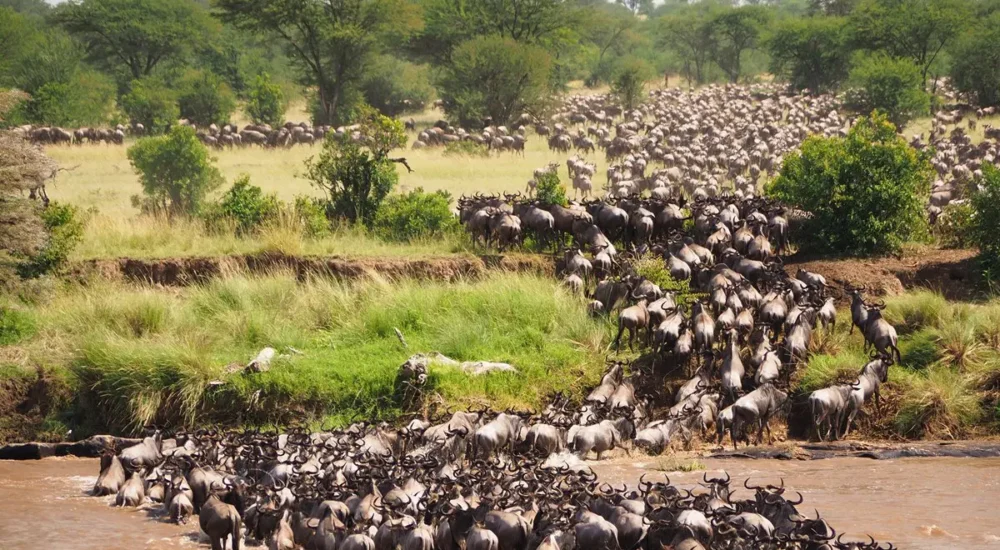
- Great Migration: The Masai Mara is a key stage in the annual migration of over 1.5 million wildebeest, along with zebras and gazelles, as they follow the rains in search of greener pastures.
- Diverse Habitats: The reserve’s variety of habitats supports a wide range of species, offering unique opportunities to witness predator-prey interactions, birdwatching, and more.
When to Visit the Masai Mara: Best Time for the Migration & Wildlife Viewing
Choosing the best time to visit Masai Mara depends largely on what you want to see. The Masai Mara offers incredible wildlife viewing all year round, but the Great Migration and predator sightings are the most significant draws.
The Great Migration Calendar
The Great Migration is an annual wildlife spectacle involving the movement of vast herds of wildebeest, zebras, and gazelles across the Serengeti and Masai Mara. This cyclical movement is driven by rainfall patterns and the availability of fresh grazing.
Here’s a breakdown of the migration timeline in relation to Masai Mara:
- July to October: Arrival and River Crossings
- This is when the wildebeest herds arrive in Masai Mara from the Serengeti in Tanzania.
- The Mara River crossings are the highlight of this period, where thousands of animals brave crocodile-infested waters, creating dramatic scenes.
- These months offer some of the most thrilling wildlife encounters and photo opportunities.
- November to June: Calving Season and Dispersal
- After the migration leaves the Mara, the herds disperse in the Serengeti.
- The Mara itself remains rich in wildlife during the dry season (June to October) and wet season (November to May) with fewer tourists.
- Predator activity remains high, with lions and cheetahs hunting smaller game.
Dry Season vs. Wet Season
- Dry Season (July to October)
- Offers the best wildlife concentration as animals gather around water sources.
- Easier to spot animals due to sparse vegetation.
- Higher tourist volume and prices due to peak season.
- Wet Season (November to May)
- Lush landscapes and birdlife flourish.
- Animal sightings can be more dispersed but offer unique viewing of newborns and rare species.
- Lower tourist numbers and better rates for accommodation.
What to See in Masai Mara: Top Wildlife and Experiences
The Masai Mara is a wildlife lover’s paradise, and beyond the Great Migration, it offers a diverse array of species and activities to experience.
The Big Five
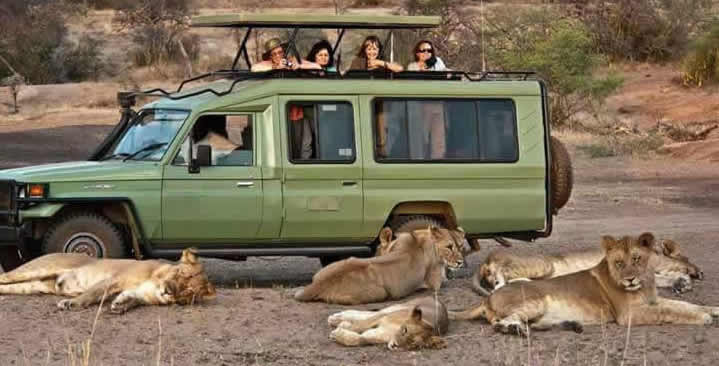
- LionThe Mara is famous for its large prides of lions, including the well-known Marsh Pride. Lions can often be seen lounging in trees or stalking prey on the plains.
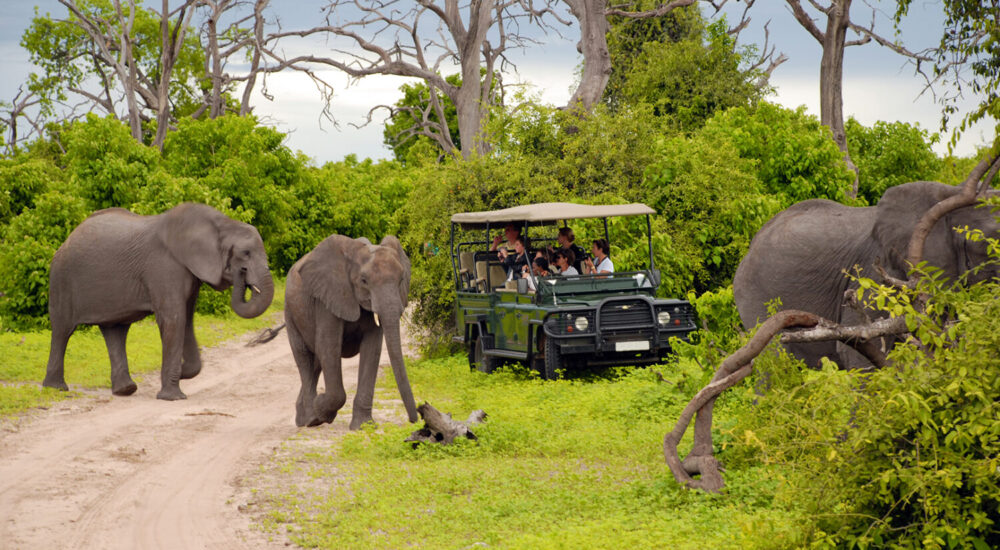
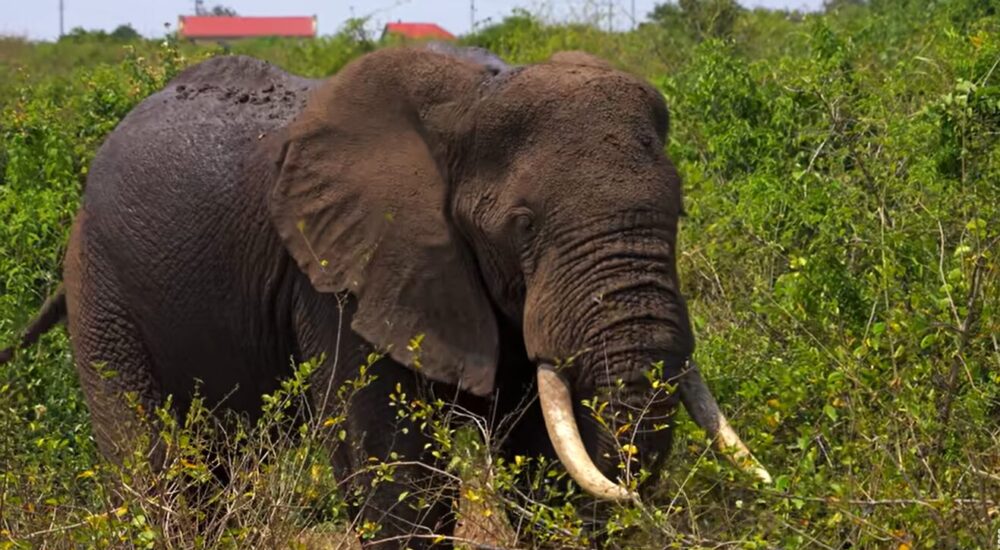
- ElephantLarge herds of elephants roam the Mara, often seen near riverine forests.
- BuffaloCape buffalo are commonly found in herds grazing across the plains.
- LeopardMore elusive than lions, leopards are spotted resting in trees or hunting at night.
- RhinocerosThough rarer, both black and white rhinos are found in the Mara with conservation efforts in place.
Predator Action
- Cheetahs: Often seen sprinting across open plains chasing gazelles.
- Hyenas: Scavengers and hunters, their laughter echoes during nighttime.
- Wild Dogs: Endangered but occasionally spotted hunting in packs.
Other Wildlife Highlights
- Wildebeest and Zebra Herds: Witnessing these herds grazing and moving is central to the Mara experience.
- Giraffes, Hippos, Crocodiles: All add to the diverse ecosystem.
- Birdlife: Over 450 bird species, including ostriches, eagles, and lilac-breasted rollers.
Cultural Encounters with the Maasai
Beyond wildlife, visiting a Maasai village offers a glimpse into the vibrant culture of the indigenous people, known for their colorful attire, traditional dances, and deep connection to the land.
Tips for Planning Your Masai Mara Safari
- Book Early for Peak Season: The migration attracts many tourists from July to October.
- Choose the Right Safari Lodge or Camp: Options range from luxury lodges to budget camps, many with close proximity to migration hotspots.
- Consider a Hot Air Balloon Safari: Offers breathtaking aerial views of the plains and migration.
- Hire an Experienced Guide: Their expertise dramatically enhances wildlife spotting and understanding animal behavior.
- Pack Appropriately: Lightweight, neutral-colored clothing, sunscreen, binoculars, and cameras are essentials.
Real-Life Examples and Wildlife Stories
Last year, a photographer captured a dramatic moment when a herd of wildebeest dashed across the Mara River, narrowly escaping lurking crocodiles. These moments embody the raw power and peril of the migration and are a must-see for visitors.
During the dry season, many visitors have witnessed lionesses teaching their cubs to hunt—a rare and intimate look at wildlife behavior that only the Masai Mara can provide.
Conclusion: Why the Masai Mara Should Be Your Next Wildlife Destination
The Masai Mara National Reserve is a world-renowned destination that offers unparalleled wildlife experiences, from the epic Great Migration to the chance to see the Big Five in their natural habitat. Knowing when to visit the Masai Mara and what to see ensures your safari adventure is not just a trip but a lifelong memory.
Whether you choose the excitement of the migration season or the quieter months for birdwatching and predator action, the Mara promises a spectacular window into Africa’s wilderness. Book your trip today and immerse yourself in the breathtaking beauty and thrilling drama of the Masai Mara.
Related Posts