The Tourism Guide in Uganda 2026: Your Ultimate Safari & Adventure Handbook Uganda — the…
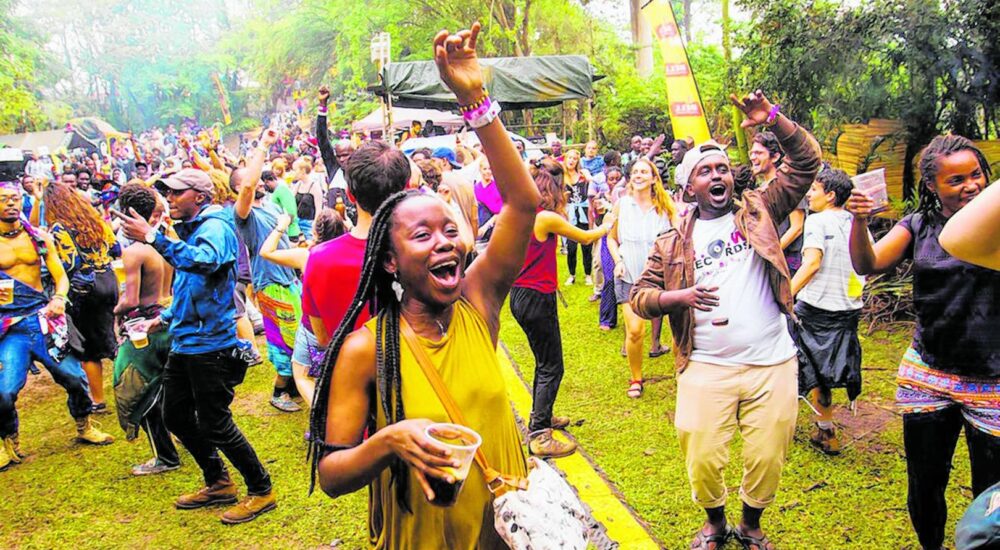
Local Festivals in Uganda, Nyege Nyege
Local Festivals in Uganda, Nyege Nyege
Uganda, often referred to as the “Pearl of Africa,” is renowned for its rich cultural heritage, stunning landscapes, and diverse communities. One of the best ways to experience the vibrant spirit of Uganda is through its local festivals. These celebrations are a beautiful reflection of the country’s diverse ethnic groups, traditions, and history. From music and dance to food and religious observances, Uganda’s festivals showcase the country’s cultural depth and offer a unique experience for travelers and locals alike.
The Significance of Festivals in Uganda
Festivals are an important part of Ugandan life. They are not just occasions for fun and entertainment, but also serve as a means of preserving cultural identity and passing down traditions from one generation to the next. Whether they are religious festivals, traditional ceremonies, or community celebrations, these events often symbolize the resilience and unity of Ugandans. Through local festivals, people reconnect with their roots, celebrate their heritage, and strengthen their social bonds.
Uganda is a melting pot of over 50 different ethnic groups, and each community has its own unique festivals. These celebrations often incorporate traditional music, dance, art, food, and even local rituals that reflect the customs of that particular group. For tourists, participating in these festivals is one of the most authentic ways to experience Uganda’s vibrant culture.
1. The Nyege Nyege Festival
One of the biggest and most internationally recognized music festivals in Uganda is the Nyege Nyege Festival. Held annually in Jinja, this festival is a celebration of African music, electronic beats, and vibrant cultural performances. It draws thousands of music lovers from across the globe, showcasing Uganda’s growing reputation in the global music scene.
Significance of the Nyege Nyege Festival
The Nyege Nyege Festival celebrates the diversity of African music and the eclectic mix of genres that have emerged from the continent. This festival brings together an impressive lineup of musicians and performers, offering everything from electronic music and Afrobeat to reggae, hip-hop, and traditional Ugandan sounds. It is a weekend of dance, freedom, and music where people from different cultures come together to experience the unique rhythms of Uganda.
Why Visit Nyege Nyege?
The Nyege Nyege Festival is a perfect example of Uganda’s modern cultural fusion, where traditional music and contemporary genres mix seamlessly. It’s an incredible platform for local artists to showcase their talents and gain international exposure. Visitors also get to enjoy local food, vibrant art installations, and the picturesque setting by the Nile River.
2. The Kampala City Festival
The Kampala City Festival is one of Uganda’s largest and most anticipated celebrations. Held every October, it is a vibrant street festival that celebrates the history, culture, and diversity of Kampala, the capital city of Uganda. The festival includes a mix of traditional music, dance performances, food stalls, and art exhibitions that represent Uganda’s diverse cultures.
Significance of the Kampala City Festival
The festival aims to highlight Kampala’s urban culture while still honoring Uganda’s traditional roots. The Kampala City Festival brings together people from all walks of life to celebrate the city’s growth and its position as Uganda’s economic and cultural hub. The festival also offers local businesses an opportunity to showcase their products and services.
Why Visit the Kampala City Festival?
The festival is a dynamic event full of music, dancing, and food that gives visitors a taste of the local Ugandan culture. The main highlight is the street parade, where you can witness traditional dancers, local drummers, and colorful floats moving through the streets of Kampala. It’s a great chance for tourists to interact with Ugandans and learn about the country’s modern and traditional cultural heritage.
3. The Abayudaya Jewish Festival
The Abayudaya Jewish Festival is a fascinating and unique festival in Uganda. It is organized by Uganda’s Jewish community, the Abayudaya, who have practiced Judaism for over a century. The festival is an opportunity for the community to celebrate their Jewish traditions and share their culture with the wider Ugandan public.
Significance of the Abayudaya Jewish Festival
The festival celebrates the Abayudaya’s strong sense of identity and their connection to Jewish traditions, which include Shabbat prayers, kosher meals, and other Jewish rituals. It is a rare opportunity to learn about a minority religious group in Uganda and see how they have integrated Judaism into their Ugandan lifestyle.
Why Visit the Abayudaya Jewish Festival?
Visitors to the festival can engage in activities such as traditional Jewish music, learn about the history of the Abayudaya community, and participate in community prayers and meals. This festival offers a unique perspective on the religious diversity of Uganda, making it a fascinating event for those interested in cultural and spiritual exploration.
4. The Buganda Kingdom Festival (Empango)
The Empango Festival is one of the most significant cultural festivals in Uganda. It is a celebration of the coronation of the King of Buganda, one of the largest ethnic groups in Uganda. The festival is held annually in Buddo, the traditional capital of Buganda, and it marks the king’s ascension to the throne.
Significance of the Buganda Kingdom Festival
The Empango Festival is an expression of the Buganda Kingdom’s rich cultural heritage. It celebrates the customs and traditions of the Baganda people, including their royal history, political structures, and social organization. During the festival, the king receives tribute from his subjects, and there are colorful parades, traditional performances, and displays of royal regalia.
Why Visit the Empango Festival?
The Empango Festival provides visitors with a deep dive into the royal traditions of Buganda. The celebration is marked by vibrant displays of traditional dance, music, and Ugandan art. Tourists also have the opportunity to meet local leaders and witness ceremonies that have been passed down for generations. It is a unique chance to explore Uganda’s monarchical heritage and engage with the locals in a meaningful way.
5. The Laba Arts Festival
The Laba Arts Festival is an annual festival held in Kampala, showcasing Ugandan and East African contemporary art, theater, film, and performing arts. The festival is dedicated to celebrating the creative arts and providing a platform for emerging artists to showcase their talents.
Significance of the Laba Arts Festival
The Laba Arts Festival is significant because it brings together artists from all over Uganda and East Africa, allowing them to network, collaborate, and share their work with the public. It’s a celebration of Ugandan creativity and offers an opportunity to engage with the country’s contemporary art scene.
Why Visit the Laba Arts Festival?
For those interested in the artistic culture of Uganda, the Laba Arts Festival is a must-visit. The event features art exhibitions, theater performances, film screenings, and live music. It’s a great way to interact with local artists and experience Uganda’s thriving cultural scene.
6. The Mbarara Agricultural Show
The Mbarara Agricultural Show is a unique rural festival that celebrates Uganda’s agricultural industry. It takes place annually in Mbarara, one of Uganda’s key agricultural hubs, and it showcases the country’s rich agricultural heritage and innovation.
Significance of the Mbarara Agricultural Show
This festival is important because it highlights Uganda’s agricultural achievements, particularly in sectors like livestock farming, crop production, and agricultural technology. It’s also a great platform for farmers to share knowledge, exchange ideas, and promote local products.
Why Visit the Mbarara Agricultural Show?
The Mbarara Agricultural Show is a great festival for those interested in Uganda’s rural culture and agricultural development. Visitors can explore exhibitions of livestock, crops, and machinery, participate in farm-related competitions, and learn about sustainable farming practices. It’s an excellent way to gain insight into Uganda’s agricultural sector and its significance to the economy.
Book your trip now!
Related Posts