African Safari River Adventures and Boat Safaris African safaris are often associated with thrilling…
Kruger National Park in South Africa: Then and Now
Kruger National Park in South Africa: Then and Now
Kruger National Park in South Africa is one of the world’s premier safari destinations and the country’s largest wildlife reserve. Spanning two million hectares and stretching over 352 kilometers, Kruger attracts over 1.4 million visitors annually who come to experience its stunning landscapes and iconic wildlife.
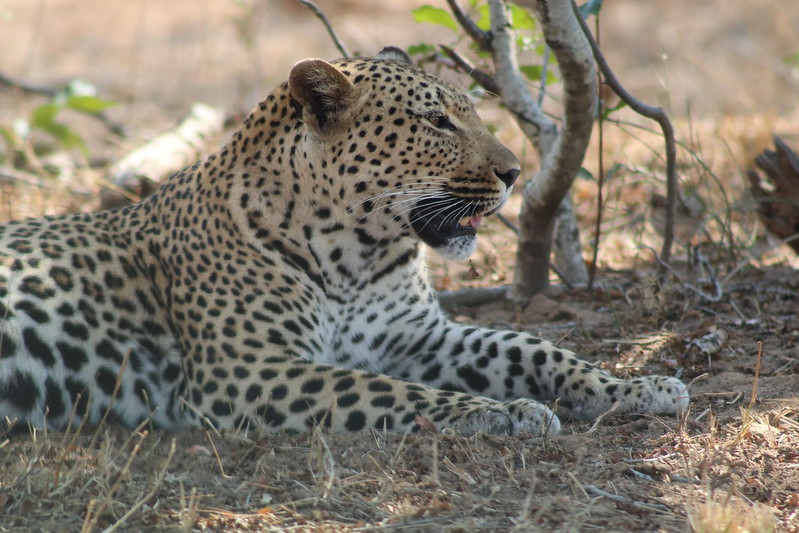
Home to the Big Five of Africa—the African lion, African elephant, Cape buffalo, African leopard, and black and white rhinoceros—Kruger is a bucket-list destination for wildlife enthusiasts and adventure seekers alike. Ironically, its creation was largely influenced by poaching and declining wildlife, making its conservation story even more remarkable.
The History of Kruger National Park
Early Human Habitation
The Kruger region has been inhabited since the early Stone Age, around 2.5 million years ago. Artifacts from this era are still found across hilltops in the Limpopo and Luvuvhu floodplains, as well as along the Makhadzi Spruit.
Early inhabitants included the San people and Nguni-speaking tribes, drawn to the area’s rich wildlife and fertile pastures. The first documented modern explorer, Francois de Cuiper of the Dutch East India Company, visited in 1725, though his expedition was cut short by local resistance.
Voortrekker Expeditions and Early Development
Explorers Louis Trichardt and Hans van Rensburg later led the first successful Voortrekker expeditions through the Lowveld, carving wagon paths that laid the foundation for today’s 2,500-kilometer network of dirt and paved roads in Kruger.
The discovery of gold in Pilgrim’s Rest in 1873 attracted fortune seekers, putting pressure on wildlife due to hunting, industrialization, and agricultural changes in the Transvaal region. In 1898, President Paul Kruger declared the Sabie Game Reserve, a precursor to the Sabi Sand Reserve and eventually Kruger National Park.
Establishment of Kruger National Park
By 1913, proposals were underway to nationalize the Sabie and Singwidzi Game Reserves to protect wildlife and the environment. The first significant group of tourists arrived via the South African Railway’s “Round in Nine” tours, exploring the reserve under armed ranger supervision.
In 1926, Kruger National Park was officially established, and tourism grew steadily. By 1929, despite rough roads, 850 cars visited the park, making it a favorite destination for South African families and, eventually, international travelers seeking the ultimate safari experience.
Kruger National Park Today
Today, Kruger National Park offers one of Africa’s most iconic wildlife experiences. The park is home to:
-
507 bird species
-
114 reptile species
-
147 mammal species, including the Big Five
Visitors can enjoy a wide range of safari activities and accommodations, from luxury lodges to unique wilderness experiences:
-
Treehouse lodging at Pezulu
-
Guided bushwalks with armed rangers
-
Mountain biking and bush golf
-
Three-day wilderness treks
-
Forest picnics along the Nkuhlu trails
-
Night drives in Greater Kruger
-
Visiting historical sites like Thulamela Stone Ruins
-
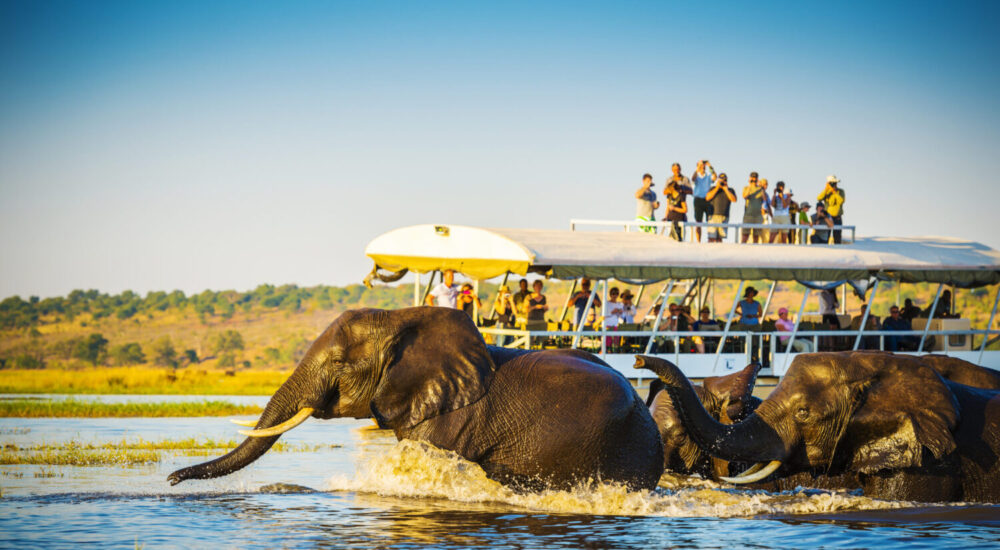
Elephant viewing at Sabie River
-
Primitive camping at Tsendze
Whether you’re seeking adventure, relaxation, or a deep connection with wildlife, Kruger offers something for every visitor.
Why Visit Kruger National Park
A safari in Kruger National Park is more than just a wildlife tour; it’s an immersion into South Africa’s natural wonders and conservation efforts. From luxury lodges to adventure activities and cultural history, Kruger is a destination that combines breathtaking landscapes, rich biodiversity, and unforgettable safari experiences.
Plan Your Kruger National Park Safari
Experience the ultimate African safari in Kruger National Park: witness the Big Five, explore historic sites, and enjoy adventure activities in one of the world’s most famous wildlife reserves.
Related Posts