Gorilla Trekking Rwanda from Dubai: The Ultimate Luxury Safari Guide Travelers based in Dubai are…
How to plan a winter holiday safari to Uganda
how to Plan a Winter Holiday Safari in Uganda
Uganda, the Pearl of Africa, is a top destination for a winter holiday safari. With its mountains, national parks, lakes, rivers, and rich cultural heritage, Uganda offers something for every traveler. Whether you want to see mountain gorillas in Bwindi and Mgahinga, climb lions in Queen Elizabeth National Park, spot the Big Five, or enjoy birdwatching among over 1,000 species, winter is a perfect time to explore.
Planning ahead ensures your safari is smooth, enjoyable, and unforgettable.
Step 1: Choose Your Safari Destinations
Uganda is home to 10 national parks, several wildlife reserves, and numerous cultural communities. Decide on your destinations based on the activities you want:
Primate trekking:
-
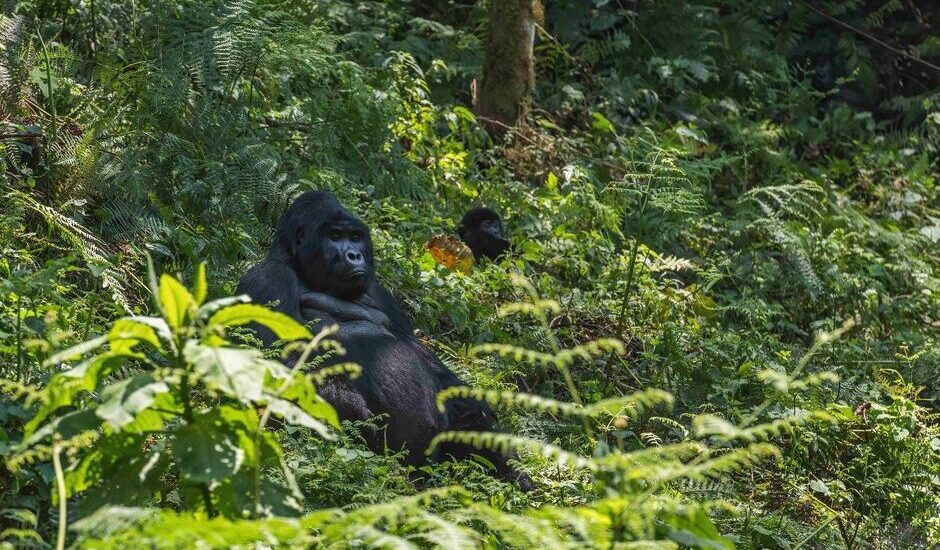
Gorilla trekking: Bwindi Impenetrable National Park, Mgahinga Gorilla National Park
-
Chimpanzee trekking: Kibale National Park, Kalinzu Forest, Kyambura Gorge (Queen Elizabeth NP), Budongo Forest, Kaniyo Pabidi (Murchison Falls NP)
Game drives & birdwatching:
-
Kidepo Valley National Park
-
Queen Elizabeth National Park
-
Murchison Falls National Park
-
Lake Mburo National Park
Cultural safaris:
-
Visit communities near national parks to experience traditional lifestyles, such as the Batwa and Bakiga near Bwindi and Mgahinga, the Karamojong near Kidepo, and Baganda cultural sites like Kasubi Tombs.
Step 2: Decide the Best Time to Visit
Uganda has two main seasons:
-
Dry season: June–September and December–January
-
Wet season: March–May and October–November
A winter safari usually falls between December and March, coinciding with the start of the rainy season. The forests are lush, wildlife is active, and fewer tourists are on the trails.
Step 3: Book Your Safari
After deciding on destinations and dates, the next step is to book your safari:
-
All-inclusive safaris cover lodging, transportation, park permits, and guided tours.
-
Using a reputable tour operator ensures a smooth experience, especially for first-time visitors.
-
Self-drive safaris are possible but may be challenging if unfamiliar with the routes or local languages.
Step 4: Flights and Travel Insurance
Flights:
-
Most international visitors arrive at Entebbe International Airport (EBB).
-
Book flights early for the best rates, as seats fill up fast during peak winter holidays.
Travel insurance:
-
Essential for medical emergencies, lost luggage, or sudden flight cancellations.
-
Ensure your policy covers medical evacuation if you visit remote safari areas.
Step 5: Visa and Vaccinations
Visa requirements vary by nationality. Check your embassy or the official website: Uganda e-Visa
Vaccinations:
-
Yellow fever (mandatory)
-
Typhoid
-
Rabies (optional, recommended for wildlife interactions)
-
Anti-malaria medication (consult your doctor)
Step 6: Packing for a Winter Safari in Uganda
Proper packing is crucial for comfort and safety:
Clothing:
-
Long-sleeved shirts and trousers in neutral colors (green, khaki, brown)
-
Waterproof, durable hiking boots
-
Warm sweater and rain jacket
-
Hat, sunscreen, and insect repellent
Gear & essentials:
-
First aid kit and personal medications
-
Camera, binoculars, extra batteries
-
Flashlight, wet wipes, toiletries
-
Daypack, reusable water bottle, snacks
Step 7: Budgeting for Your Winter Safari
-
Safari costs depend on lodging, group size, park permits, and type of safari (gorilla trekking vs. game drives).
-
Large groups reduce per-person costs.
-
Cash is important for tips and purchases in remote areas; ATMs are limited.
-
Prefer UGX smaller bills, and ensure your credit cards are usable in Uganda.
Step 8: Learn About Uganda
-
Research the history, culture, and wildlife to enrich your experience.
-
Learn some basic local phrases to communicate with guides and villagers.
-
Understanding local customs ensures respectful and enjoyable interactions.
Winter Safari Activities in Uganda
Mountain climbing:
-
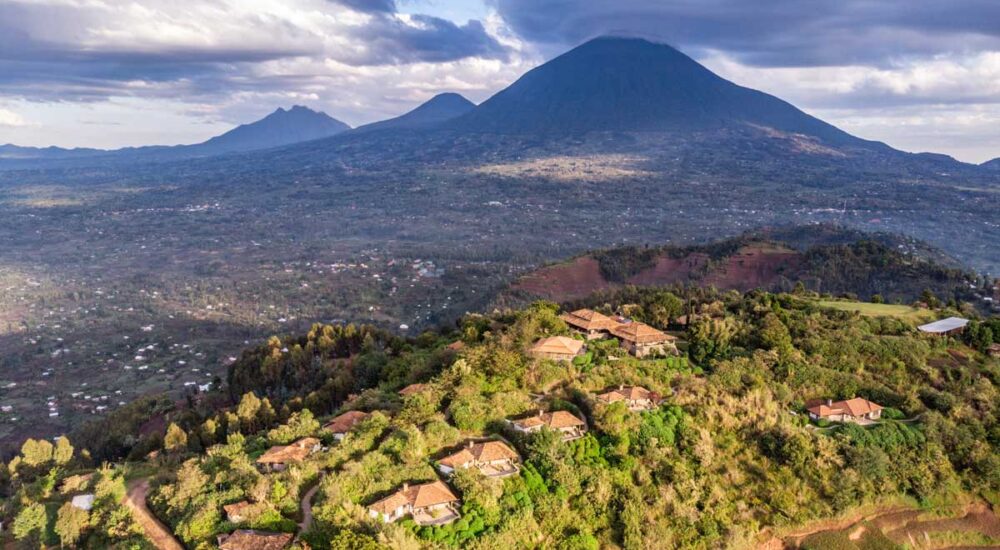
Virunga Volcanoes: Sabinyo, Mgahinga, Muhavura
-
Mount Elgon
-
Rwenzori Mountains (with snow-capped peaks)
Game drives & wildlife viewing:
-
Lions, elephants, rhinos, hippos, leopards, buffaloes, warthogs
-
Birdwatching across national parks
Cultural experiences:
-
Visit local villages to see traditional lifestyles
-
Learn about ethnic groups such as Bakiga, Batwa, Karamojong, and Baganda
Primate trekking:
-
Gorilla trekking in Bwindi and Mgahinga
-
Chimpanzee trekking in Kibale, Kyambura Gorge, Kalinzu, Budongo, and Kaniyo Pabidi
Winter is ideal for wildlife and primate safaris due to moderate temperatures and fewer tourists.
Conclusion
A winter safari in Uganda is an incredible way to explore the natural beauty, wildlife, and culture of the Pearl of Africa. With careful planning—booking your safari, flights, permits, and travel insurance, plus packing the right gear—you can focus on enjoying your adventure.
Partnering with an experienced tour operator ensures a stress-free and memorable safari experience. All you have to do is show up and enjoy Uganda.
Related Posts