Gorilla Trekking Rwanda from Dubai: The Ultimate Luxury Safari Guide Travelers based in Dubai are…
How Many Gorillas Are Left In The World?
How Many Gorillas Are Left in the World? The Urgent Truth About Africa’s Gentle Giants
Gorillas — our powerful, intelligent, and gentle relatives — are among the most endangered primates on Earth. According to the World Wildlife Fund (WWF) and the International Union for Conservation of Nature (IUCN), fewer than 200,000 gorillas remain in the wild.
These magnificent great apes, found only in the dense forests of Central and East Africa, face threats from habitat loss, poaching, and disease. If conservation efforts don’t intensify, the world could lose these incredible animals forever.
In this article, we explore how many gorillas are left in the world, the different gorilla species, and how you can help save these endangered apes through sustainable gorilla trekking safaris in Uganda, Rwanda, and the Democratic Republic of Congo (DRC).
Understanding the Gorilla: The Largest of the Great Apes
Gorillas are the largest members of the ape family, sharing 95–99% of human DNA — making them our closest living relatives after chimpanzees and bonobos (source).
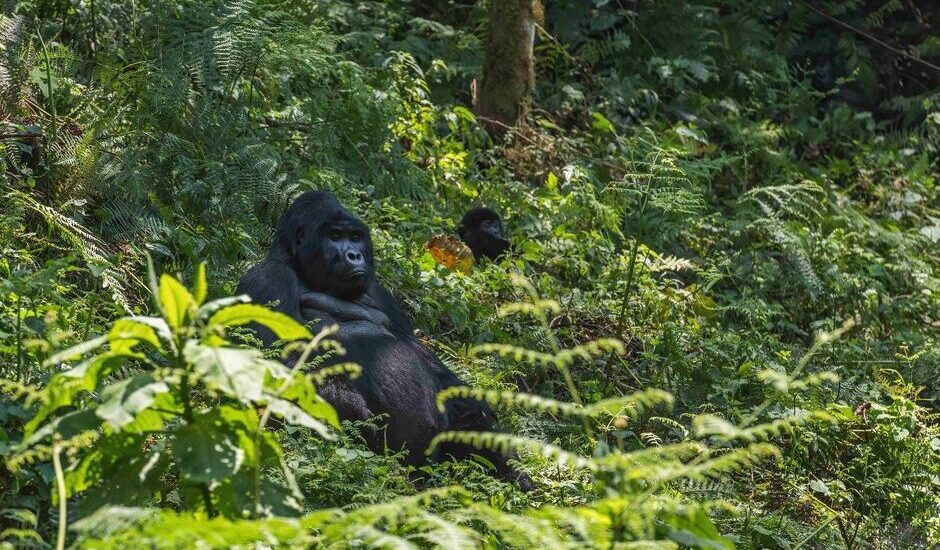
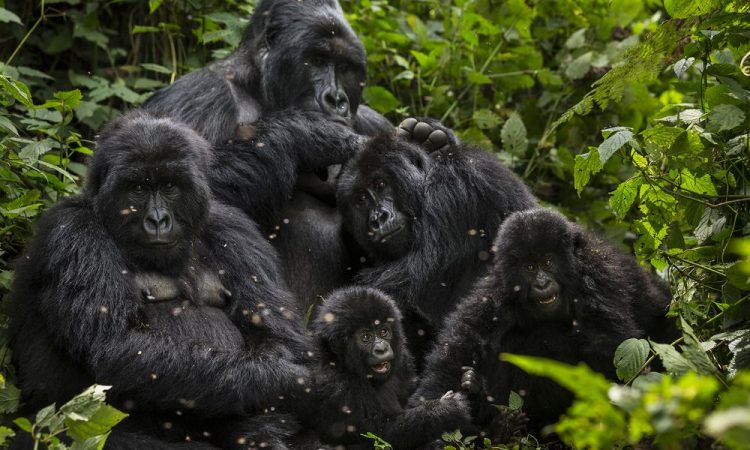
They are mainly herbivores, feeding on leaves, shoots, fruits, and occasionally small insects. Gorillas live in family groups led by a dominant male, known as a silverback, and inhabit tropical and subtropical forests near the equator.
There are two main gorilla species — each divided into two subspecies:
| Species | Subspecies | Estimated Population |
|---|---|---|
| Eastern Gorilla (Gorilla beringei) | Mountain Gorilla, Eastern Lowland Gorilla | ~5,000–10,000 |
| Western Gorilla (Gorilla gorilla) | Western Lowland Gorilla, Cross River Gorilla | ~100,000–200,000 |
All four are listed as Critically Endangered or Endangered by the IUCN Red List (source).
How Many Gorillas Are Left in the World?
Current estimates show that there are between 100,000 and 200,000 western gorillas, and only 5,000 to 10,000 eastern gorillas left in the wild.
More specifically:
-
🟢 Eastern Lowland Gorilla (Grauer’s Gorilla): ~5,000
-
🟢 Mountain Gorilla: ~1,000
-
🟢 Western Lowland Gorilla: ~100,000
-
🟢 Cross River Gorilla: ~200–300
Although some numbers may seem large, gorilla populations have fallen by over 60% since the 1960s due to deforestation, hunting, and disease. Without stronger protection, these populations will continue to decline.
Mountain Gorillas: The Heart of Africa’s Wilderness
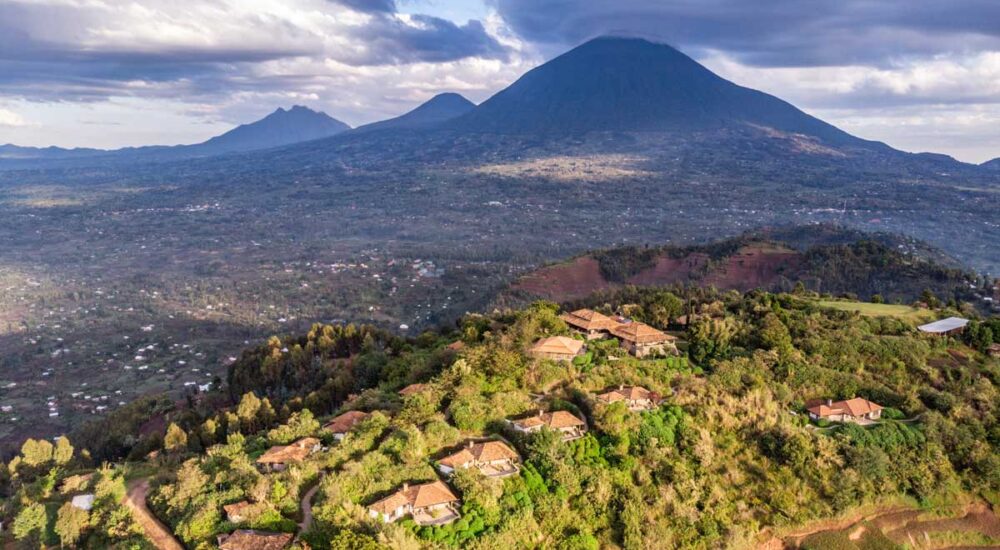
The Mountain Gorilla (Gorilla beringei beringei) lives in the Virunga Mountains — a volcanic range stretching across Uganda, Rwanda, and the DRC.
Only about 1,000 mountain gorillas remain, making them one of the rarest animals on Earth (WWF source).
Where to See Mountain Gorillas:
-
Uganda: Bwindi Impenetrable National Park and Mgahinga Gorilla National Park
-
Rwanda: Volcanoes National Park
-
DRC: Virunga National Park
Uganda is home to over half of the world’s remaining mountain gorillas, making it the best destination for gorilla trekking safaris. Learn more at Monumental Expeditions and Safaris.
Gorilla Habituation Experience
In Uganda’s Bwindi Forest, travelers can take part in a gorilla habituation experience — a two- to three-year process where wild gorillas are gradually accustomed to human presence. It allows you to spend up to four hours with a gorilla family in their natural habitat.
Eastern Lowland Gorillas (Grauer’s Gorillas)
The Eastern Lowland Gorilla (Gorilla beringei graueri) is the largest of all gorilla subspecies, found in the lowland tropical forests of Eastern Congo.
Once roaming over 8,000 square miles, their range has now shrunk by nearly half due to logging, agriculture, and civil unrest. Population estimates have dropped by more than 50% since the 1990s.
Western Lowland Gorillas: Africa’s Most Numerous but Threatened
The Western Lowland Gorilla (Gorilla gorilla gorilla) is the most widespread subspecies, found in Gabon, Cameroon, Central African Republic, and Congo.
Despite being the most numerous, their populations are rapidly decreasing due to:
-
Illegal hunting for bushmeat
-
Logging and mining
-
Infectious diseases like Ebola
Experts estimate it could take over 75 years for this population to recover even if all threats were removed today.
Cross River Gorillas: The Rarest of All
With only about 250 individuals left, the Cross River Gorilla (Gorilla gorilla diehli) is the most endangered gorilla subspecies.
They inhabit the Nigeria–Cameroon border, named after the Cross River region. Threatened by poaching, disease, and habitat fragmentation, they are now confined to a small mountain range.
Conservationists from WWF and Wildlife Conservation Society (WCS) are working to establish protected corridors between their remaining habitats to prevent extinction.
Gorillas in Sanctuaries and Zoos
While most gorillas live in the wild, some are protected in sanctuaries and zoos around the world.
Organizations like The Gorilla Foundation — home to the famous talking gorilla Koko — have dedicated their work to gorilla communication and welfare.
However, true gorilla conservation depends on protecting their natural habitats in Africa, not captivity.
Why Are Gorillas Going Extinct?
Each gorilla subspecies faces unique challenges, but the main threats are consistent across Africa:
1. Habitat Loss
Deforestation from agriculture, mining, and logging destroys gorilla homes. The Cross River and Eastern gorillas have lost over 50% of their habitat in the past two decades.
2. Poaching
Although hunting gorillas is illegal, bushmeat trade and opportunistic poaching remain rampant. Logging roads have made it easier for poachers to reach remote forest areas.
3. Diseases
Epidemics like Ebola have wiped out up to 95% of great ape populations in affected areas. Gorillas also contract human diseases due to increasing human–wildlife contact.
Saving the Gorillas: What Can Be Done
Despite the dire situation, conservation efforts are making progress. In Uganda and Rwanda, mountain gorilla populations are slowly rising thanks to tourism revenue, community involvement, and strict protection.
Here’s how you can help:
-
Support organizations like WWF, Dian Fossey Gorilla Fund, and IUCN.
-
Choose eco-friendly gorilla trekking tours with reputable companies like Gorilla Trackings.
-
Avoid products linked to deforestation (like unsustainable palm oil).
-
Spread awareness about gorilla conservation.
Plan Your Gorilla Safari Today
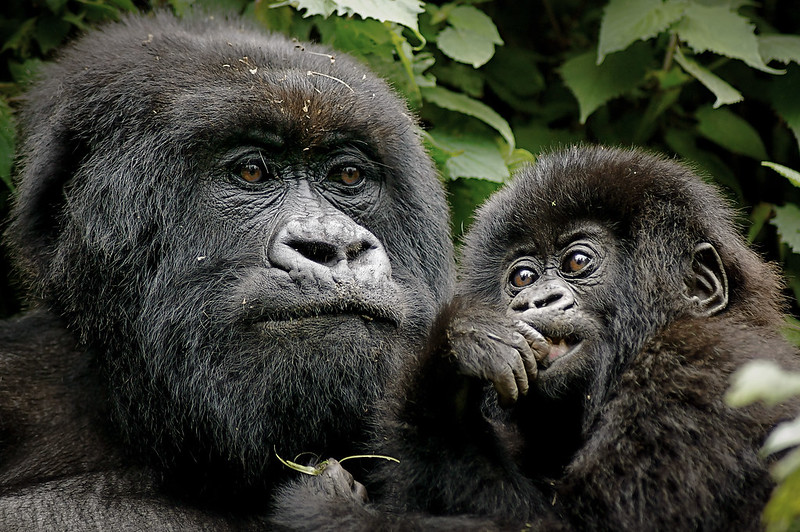
A gorilla trekking safari isn’t just a wildlife experience — it’s a journey into the soul of Africa. Watching a silverback protect his family or seeing a baby gorilla play in the misty forest is a memory that changes how you see nature forever.
Book your Uganda Gorilla Safari with Monumental Expeditions and Safaris and contribute directly to saving the remaining mountain gorillas.
Our expert guides will take you deep into Bwindi Impenetrable Forest and Mgahinga Gorilla National Park, ensuring an ethical, safe, and unforgettable adventure.
Final Thoughts
So, how many gorillas are left in the world?
The answer — fewer than 200,000 — is both sobering and motivating. It reminds us that while gorillas are critically endangered, their survival depends on us.
Every eco-tour, every conservation effort, and every awareness campaign makes a difference. Together, we can ensure that the gentle giants of Africa continue to thrive in their natural forests for generations to come.
Related Posts