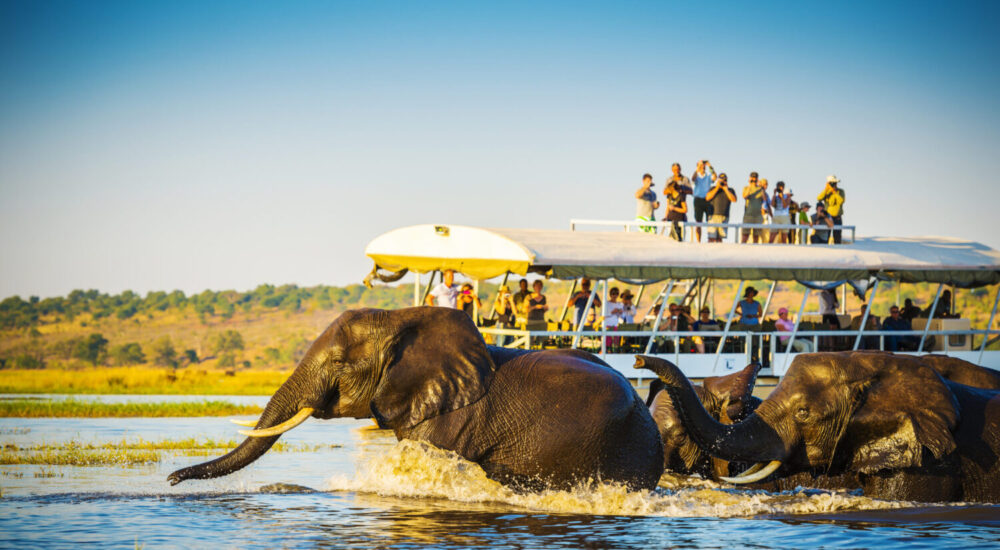
African Safari River Adventures and Boat Safaris African safaris are often associated with thrilling…
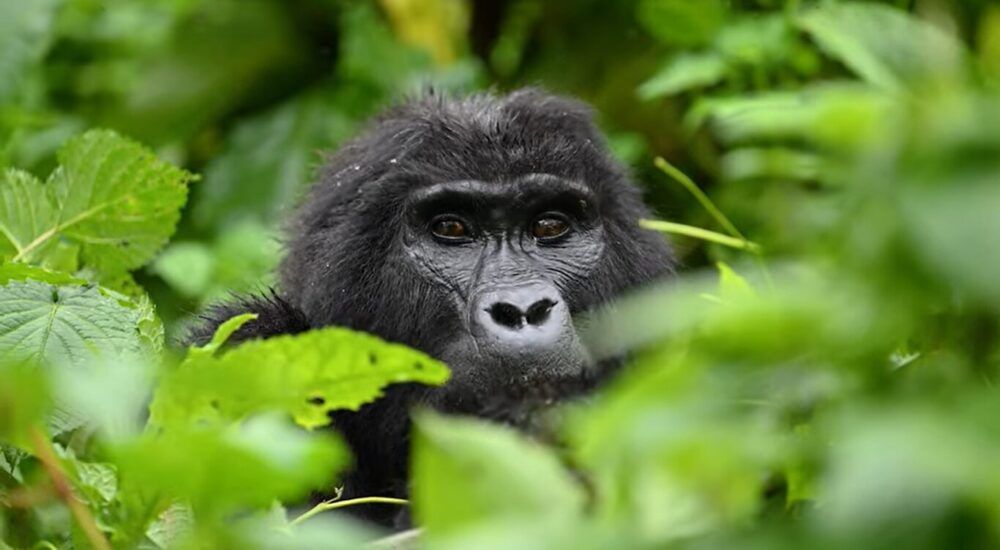
How fit should I be for gorilla trekking? | Gorilla trekking safaris
1. Introduction to Gorilla Trekking
Gorilla trekking is a unique form of eco-tourism that involves hiking through dense forests, steep hills, and volcanic slopes to observe habituated gorilla families.
While trekking can be physically demanding, proper preparation ensures that trekkers of varying fitness levels can enjoy the experience safely. Understanding the fitness requirements will help you make the most of your gorilla encounter.
2. Factors Affecting Gorilla Trekking Difficulty
The difficulty of a gorilla trek depends on several factors:
2.1 Terrain
-
Bwindi Impenetrable Forest, Uganda: Dense vegetation, steep slopes, and uneven trails
-
Volcanoes National Park, Rwanda: Volcanic terrain with bamboo forests
-
Mgahinga Gorilla National Park, Uganda: Smaller trails, suitable for beginners
-
Virunga National Park, DR Congo: Rugged and remote terrain requiring endurance
2.2 Altitude
-
Trekking in high-altitude forests can increase fatigue
-
Some parks, like Volcanoes National Park, are situated above 2,000 meters (6,600 feet), which may affect breathing and stamina
2.3 Weather Conditions
-
Dry season: Trails are easier to navigate
-
Rainy season: Slippery and muddy paths increase physical demand
2.4 Gorilla Movement
-
Gorillas move slowly, but dense vegetation and steep trails require physical effort to keep up with the group
3. Physical Fitness Requirements
3.1 Cardiovascular Endurance
Moderate to good cardiovascular fitness is essential for:
-
Hiking steep or uneven trails
-
Climbing hills and crossing rivers
-
Sustaining energy during treks that can last 2–8 hours
3.2 Leg and Core Strength
Strong legs and core muscles help with:
-
Maintaining balance on slippery trails
-
Navigating dense vegetation
-
Enduring long hikes without fatigue
3.3 Flexibility and Agility
-
Trekking paths often require bending, ducking, and sometimes crawling under low-hanging branches
-
Flexibility reduces the risk of strains or injuries
3.4 Mental Stamina
-
Trekking requires patience, as gorillas may move slowly or change location
-
Mental readiness ensures a calm and respectful experience
4. Typical Gorilla Trekking Duration and Intensity
4.1 Duration
-
Treks can last anywhere from 2 to 8 hours, depending on the gorilla family and terrain
-
Longer treks occur in remote or rugged areas like Virunga National Park
4.2 Intensity
-
Steep inclines and slippery paths increase physical effort
-
Dense forests may slow progress and require endurance
Even beginners with moderate fitness can participate with the right preparation and support from guides.
5. Preparing Physically for Gorilla Trekking
5.1 Cardiovascular Training
-
Activities like walking, jogging, cycling, or swimming improve stamina
-
Aim for at least 30–45 minutes of cardio, 4–5 times per week
5.2 Strength Training
-
Focus on legs, core, and upper body
-
Exercises like squats, lunges, planks, and step-ups build trekking strength
5.3 Flexibility and Balance
-
Incorporate yoga or stretching routines
-
Helps navigate uneven trails and maintain balance
5.4 Practice Hikes
-
Simulate trekking conditions by walking on trails, hills, or uneven terrain
-
Carry a backpack with water to mimic trekking conditions
6. Gear and Equipment to Reduce Physical Strain
-
Sturdy hiking boots: Support ankles and provide traction
-
Walking sticks or trekking poles: Aid balance on steep or slippery trails
-
Light backpack: Carry essentials like water, snacks, and camera
-
Protective clothing: Long sleeves, pants, and rain gear for comfort and safety
-
Gloves: Protect hands from bamboo, thorns, and rough surfaces
Proper gear reduces fatigue and makes the trek more enjoyable.
7. Trekking Tips for Different Fitness Levels
7.1 Beginners
-
Start with shorter treks in parks like Mgahinga Gorilla National Park
-
Take regular breaks and pace yourself
-
Hire experienced guides to manage group pace
7.2 Moderate Fitness
-
Suitable for Bwindi Impenetrable Forest and Volcanoes National Park
-
Can handle longer treks and steeper terrain
-
Prepare for occasional mud and slippery paths
7.3 High Fitness Levels
-
Ideal for Virunga National Park or remote trekking routes
-
Can handle long treks, challenging terrain, and rainy conditions
8. Health Considerations
-
Consult a doctor if you have pre-existing medical conditions
-
Stay hydrated during the trek
-
Avoid overexertion, and communicate with your guide if you feel fatigued.
9. Mental and Emotional Preparation
-
Patience is key: Gorillas may move slowly or away from the trail
-
Respect and calmness: Avoid sudden movements or loud noises
-
Observation: Enjoy the experience even if the trek is physically demanding
Mental readiness complements physical fitness and ensures a memorable encounter.
10. Benefits of Being Fit for Gorilla Trekking
-
Enhanced enjoyment: Trek without exhaustion and take in the scenery
-
Safer experience: Reduced risk of slips, falls, or fatigue
-
Better photography: Steady hands and endurance allow for capturing great wildlife moments
-
Improved interaction: Stay alert to observe gorilla behavior up close
Being physically prepared enhances the overall trekking experience.
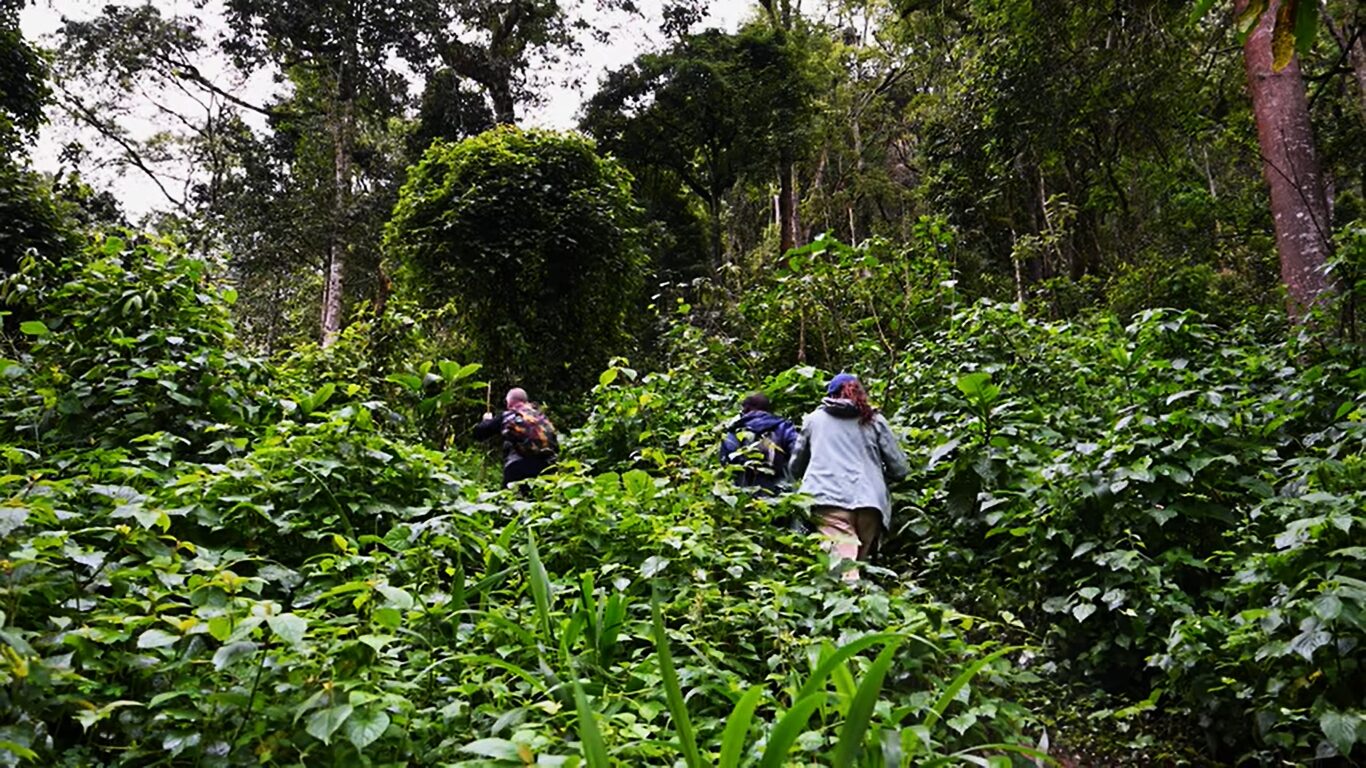
11. Fitness vs. Experience: You Don’t Have to Be an Athlete
While physical fitness helps, trekking does not require elite athletic ability:
-
Guides adjust the pace to accommodate fitness levels
-
Trekking poles, rest breaks, and support from guides make it accessible
-
First-time trekkers can successfully enjoy gorilla trekking with moderate preparation
12. Recommended Training Timeline
-
8–12 weeks before trekking: Begin cardiovascular and strength training
-
4–6 weeks before trekking: Add hiking practice with a backpack
-
1–2 weeks before trekking: Focus on flexibility, light cardio, and rest
Gradual preparation ensures peak fitness on trekking day.
13. Conservation and Responsible Trekking
-
Trekking supports gorilla conservation and habitat protection
-
Fitness ensures you can navigate trails safely without harming the environment
-
Respecting trails, guides, and gorillas contributes to ethical wildlife tourism
Learn more about ethical trekking with Monumental Expeditions and Safaris.
14. Conclusion
So, how fit should you be for gorilla trekking?
-
Moderate fitness is sufficient for most first-time trekkers
-
Cardiovascular endurance, leg strength, flexibility, and mental stamina improve the experience
-
Proper preparation, gear, and guidance allow trekkers of varying abilities to enjoy safe and memorable gorilla encounters
Gorilla trekking is a once-in-a-lifetime adventure that combines wildlife observation, outdoor fitness, and conservation support.
Plan your gorilla trekking safari today with Monumental Expeditions and Safaris and ensure a safe, enjoyable, and unforgettable adventure.
Related Posts