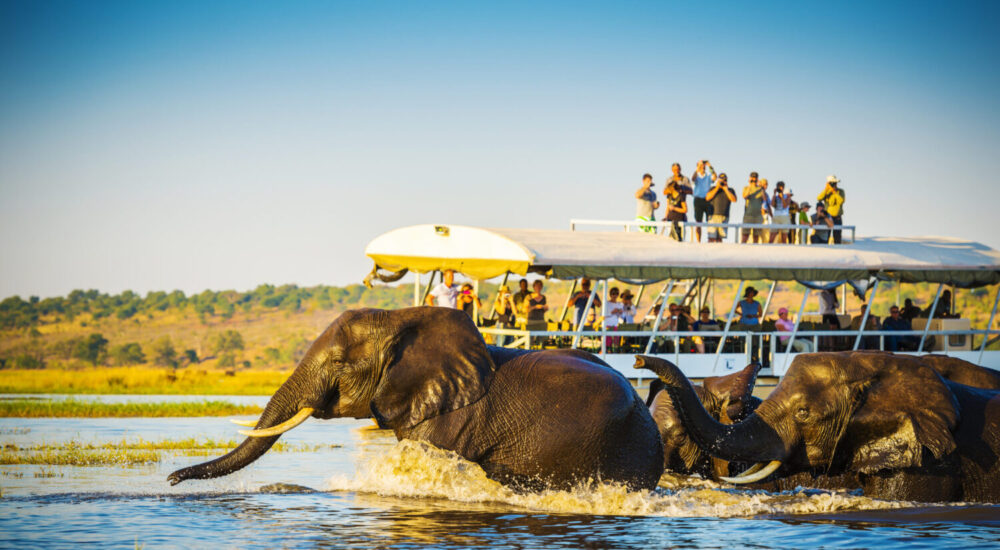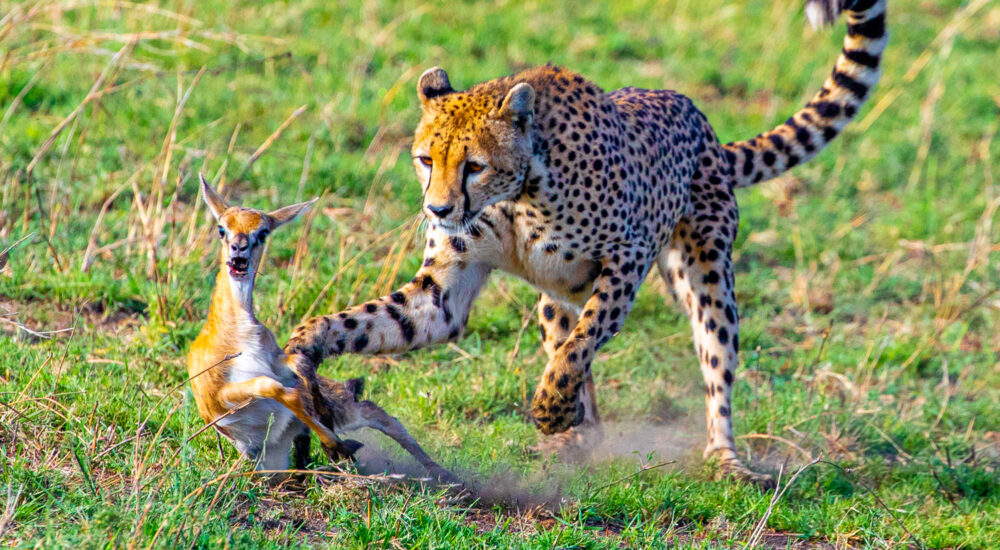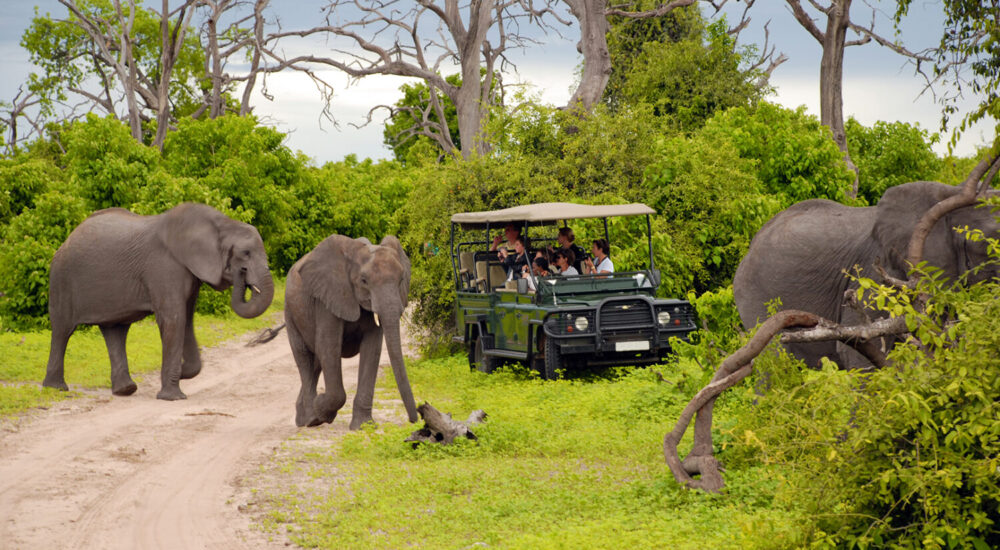
African Safari River Adventures and Boat Safaris African safaris are often associated with thrilling…
How are gorilla families named and monitored? | Gorilla trekking safaris
How Are Gorilla Families Named and Monitored? Understanding Gorilla Social Structure and Conservation
Gorillas are fascinating creatures with complex social structures and behaviors. When visiting Uganda, Rwanda, or the Democratic Republic of Congo on a gorilla trekking adventure, tourists are often introduced to individual gorillas and their families, known as troops. But have you ever wondered, how are gorilla families named and monitored?
Understanding how gorilla families are named and tracked is crucial for both wildlife enthusiasts and conservationists. This knowledge not only enhances the trekking experience but also supports efforts to protect these endangered species.
In this article, we explore how gorilla families are named, how researchers monitor them, the role of silverbacks, and the importance of these practices for gorilla conservation. For guided treks and conservation-focused experiences, visit Monumental Expeditions and Safaris.
Gorilla Social Structure
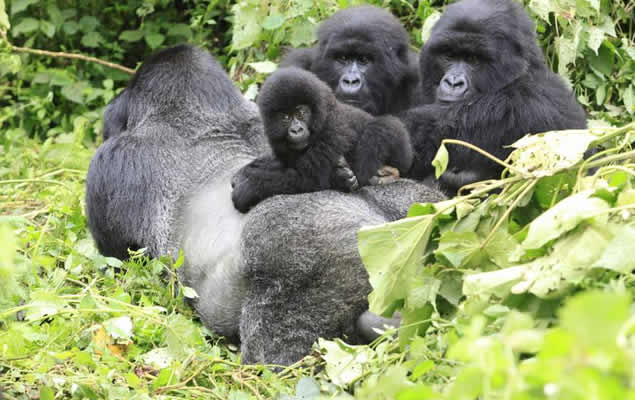
Gorillas live in social groups called troops or families, typically led by a dominant male known as a silverback. Understanding the social structure helps explain why naming and monitoring are essential:
-
Silverback Male: The leader, protector, and decision-maker for the group.
-
Adult Females: Usually mate with the silverback and care for the offspring.
-
Offspring: Juveniles and infants who learn social behaviors within the troop.
-
Subordinate Males (Blackbacks): Younger males that may eventually leave or form their own groups.
Gorilla families usually consist of 5 to 30 members, depending on habitat, food availability, and conservation status. Monitoring these families provides insights into population dynamics, reproductive success, and social health.
How Gorilla Families Are Named
Gorilla families are typically named after their dominant silverback, which simplifies identification for researchers and conservationists. Here’s how it works:
-
Silverback-Centered Naming:
-
The family is often referred to by the name of the dominant male, such as the “Mubare Family” or “Sabyinyo Family” in Rwanda.
-
This helps track the group’s lineage, movements, and behavior over time.
-
-
Historical or Geographic Names:
-
Some gorilla families are named after the region or park where they were first observed.
-
Examples include Bwindi’s “Rushegura Family” and Volcanoes National Park’s “Amahoro Group.”
-
-
Researcher-Assigned Names:
-
In some cases, researchers give individual gorillas unique names to monitor them closely.
-
Names may reflect personality traits, physical features, or behaviors, such as “Digit” or “Silverback Leader.”
-
Naming allows researchers to track individual gorillas and entire families, making it easier to record births, deaths, and migration between groups.
How Gorilla Families Are Monitored
Monitoring gorilla families is critical for conservation and research. Researchers and park rangers use a combination of direct observation, technology, and field techniques to keep track of gorilla populations.
1. Habituation and Direct Observation
-
Gorillas in parks like Bwindi and Volcanoes National Park are gradually habituated to human presence.
-
Observers follow strict guidelines to avoid stressing the animals.
-
Daily or weekly observations include recording:
-
Group composition
-
Births and deaths
-
Behavior patterns
-
Health indicators
-
Habituation is a delicate process that allows researchers to study gorillas safely without altering their natural behaviors.
2. Tracking Movement and Range
-
Researchers map the home range of each gorilla family.
-
Rangers record movement patterns, feeding areas, and sleeping sites.
-
GPS technology helps monitor long-distance movements and prevent human-wildlife conflict.
3. Photography and Identification
-
Each gorilla has unique facial features, scars, and body markings, which researchers document.
-
Photographic records help identify individuals across years and track changes in behavior or health.
4. Health Monitoring
-
Veterinary teams occasionally intervene to treat injured or sick gorillas.
-
Non-invasive monitoring includes collecting fecal samples to study parasites, stress hormones, and overall health.
5. Behavioral Research
-
Observations of feeding, social interaction, mating, and aggression provide insights into gorilla social dynamics.
-
This research informs conservation strategies and park management decisions.
Role of Silverbacks in Family Monitoring
The silverback male plays a crucial role in both social and conservation contexts:
-
Protection: Silverbacks defend the family from predators and rival males.
-
Leadership: They decide the movement, feeding sites, and resting areas for the group.
-
Behavioral Studies: Monitoring the silverback provides insights into the group’s health and stability.
-
Naming Anchor: Families are often named after the silverback, making it easier to track lineages.
Understanding silverback behavior helps researchers predict troop movements and respond to potential threats, from disease outbreaks to poaching.
Importance of Monitoring for Conservation
Monitoring gorilla families serves several key purposes:
-
Population Management:
-
Accurate records of births, deaths, and migrations help track population trends.
-
This data informs park management and international conservation policies.
-
-
Anti-Poaching Efforts:
-
Rangers and trackers can respond quickly to threats based on troop locations.
-
Habituated families can act as sentinels for illegal activities in forests.
-
-
Scientific Research:
-
Long-term monitoring provides insights into gorilla behavior, genetics, and ecology.
-
This research is essential for understanding how gorillas adapt to environmental changes.
-
-
Tourism and Education:
-
Trekking experiences rely on knowledge of troop locations and behavior.
-
Educating visitors about monitored families fosters responsible tourism and conservation support.
-
Challenges in Monitoring Gorilla Families
Despite advances in tracking and observation, monitoring gorilla families is not without challenges:
-
Dense Forests: Difficult terrain limits visibility and tracking efficiency.
-
Disease Transmission: Human presence must be carefully managed to prevent illness.
-
Poaching and Habitat Threats: Illegal activities can disrupt family dynamics.
-
Troop Migration: Gorillas sometimes move outside protected areas, complicating tracking.
Conservation organizations combine technology, local knowledge, and strict protocols to overcome these obstacles.
How You Can Support Gorilla Family Conservation
Visitors and wildlife enthusiasts can play a role in supporting gorilla family conservation:
-
Responsible Tourism:
-
Book trekking trips with licensed operators like Monumental Expeditions and Safaris.
-
Follow park rules and maintain safe distances to avoid stressing gorillas.
-
-
Donate or Sponsor:
-
Support programs that monitor gorilla families and fund conservation research.
-
Sponsorship can help fund anti-poaching patrols, habitat restoration, and veterinary care.
-
-
Raise Awareness:
-
Share your experiences to promote gorilla conservation globally.
-
Educate others about the importance of monitoring and protecting gorilla families.
-
-
Volunteer Opportunities:
-
Some programs allow hands-on involvement in tracking, monitoring, and habitat management.
-
Success Stories in Gorilla Monitoring
Thanks to meticulous monitoring and conservation efforts:
-
Mountain gorilla populations have increased steadily over the past two decades.
-
Habituated gorilla families in Bwindi and Volcanoes National Park allow safe trekking while supporting conservation.
-
Veterinary interventions and anti-poaching patrols have saved numerous gorillas from injury and disease.
These success stories show that naming and monitoring gorilla families is essential for their survival and for promoting sustainable tourism.
Conclusion
Gorilla families are named primarily after the dominant silverback, providing a practical way for researchers to track groups and individuals. Monitoring involves direct observation, GPS tracking, health checks, and behavioral studies, all of which are critical for conservation, research, and responsible tourism.
By understanding how gorilla families are named and monitored, visitors gain a deeper appreciation for these majestic animals and the efforts required to protect them. Supporting conservation through trekking, donations, volunteering, and awareness ensures that gorilla families continue to thrive in the wild.
For guided gorilla trekking adventures and more insights into gorilla conservation, visit Monumental Expeditions and Safaris.
Related Posts