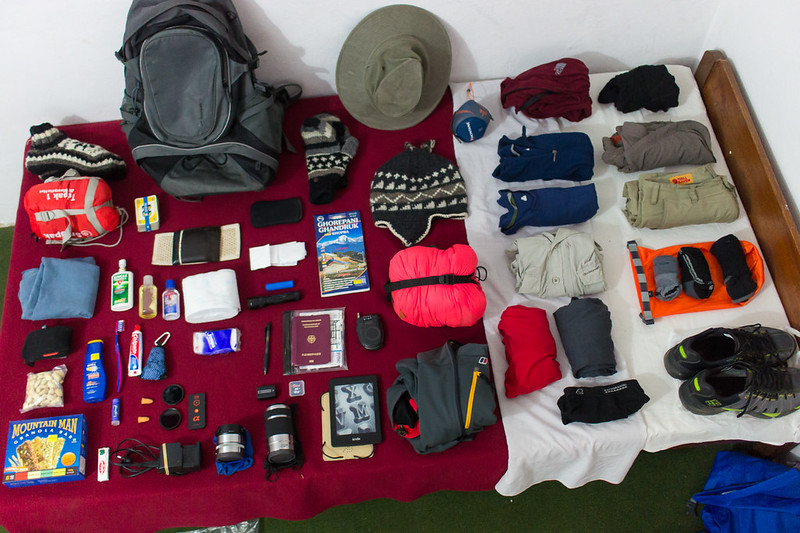
Gorilla Trekking Packing Checklist 2026 – The Ultimate Guide for a Successful Safari If you’re…
Health & Safety Tips for Travelers to Uganda
Uganda, famously known as the “Pearl of Africa,” offers travelers a rich cultural heritage, diverse wildlife, and stunning landscapes ranging from savannahs to rainforests. As with any international travel, especially to destinations with tropical climates, it’s essential to prioritize health and safety. In this blog, we’ll cover the health and safety tips that every traveler to Uganda should consider to ensure a safe, enjoyable, and memorable journey.
1. Vaccinations and Health Preparations
Vaccines Recommended for Travel to Uganda
Before heading to Uganda, it’s crucial to ensure that you are up-to-date with the recommended vaccines. Uganda is a tropical country, and the climate, combined with its unique health challenges, means that certain vaccines are essential for your protection.
- Yellow Fever Vaccine: The yellow fever vaccine is mandatory for travelers to Uganda. You must present an International Certificate of Vaccination upon arrival, which proves that you’ve had the vaccine. Yellow fever is a potentially fatal disease, and the vaccine is highly effective in preventing it.
- Typhoid and Hepatitis A: Typhoid and hepatitis A are spread through contaminated food or water, so it’s essential to get vaccinated, especially if you’re planning to explore local markets or eat street food.
- Malaria Prevention: Uganda is located in a malaria-endemic region, so taking malaria prophylaxis is highly recommended. Consult your doctor to determine the best medication for you, and consider insect repellent to prevent mosquito bites.
- Diphtheria, Tetanus, and Polio: These vaccines are also recommended for travelers. If you’re unsure about your vaccination status, it’s best to get booster shots before your trip.
- Meningitis: For travelers heading to the northern regions of Uganda or those planning to visit during the dry season, meningitis vaccination is advised.
Other Health Considerations
- Anti-Malarial Medication: As mentioned, malaria is widespread in Uganda. Taking anti-malarial medication, along with using insect repellent and sleeping under a mosquito net, will significantly reduce your risk of contracting the disease.
- Travel Insurance: It’s wise to invest in comprehensive travel insurance that covers medical emergencies, including potential evacuation, as healthcare in Uganda’s rural areas can be limited.
2. Food and Water Safety in Uganda
Food and waterborne illnesses are a common concern for travelers to Uganda. To avoid food poisoning or gastrointestinal issues, follow these simple health and safety tips regarding food and water:
- Avoid tap water: Always drink bottled or purified water. Avoid ice in drinks unless you’re sure it’s made from purified water.
- Street Food: While Uganda offers delicious street food, it’s essential to be cautious. Stick to vendors who prepare food fresh in front of you and ensure it’s cooked at high temperatures to kill bacteria.
- Eat at reputable restaurants: Opt for well-established restaurants or hotel dining options that follow proper hygiene practices. Check reviews or ask locals for recommendations.
- Wash hands regularly: Hygiene is critical when traveling in Uganda. Wash your hands thoroughly with soap and water before eating or drinking, especially if you’ve been out exploring.
3. Staying Safe from Insects and Wildlife
In Uganda, the wildlife and insect life can pose certain health risks. Whether it’s mosquitoes carrying diseases like malaria, or the presence of dangerous animals, taking precautions is essential.
Mosquito Protection
- Wear long-sleeved clothing: Especially during dawn and dusk, wear long sleeves and pants to minimize exposure to mosquitoes.
- Use insect repellent: Always apply DEET-based insect repellent to exposed skin.
- Use mosquito nets: When staying in lodges or hotels, ensure your bed is covered by a mosquito net. In some areas, you may even want to carry your own, especially if you’re camping.
Wildlife Safety
- Follow guidelines: When visiting national parks or wildlife reserves, always adhere to the safety guidelines provided by guides. Do not approach wild animals.
- Gorilla Trekking: If you’re planning to go gorilla trekking in Bwindi Impenetrable Forest, ensure you’re in good physical health and follow the safety guidelines of your tour operator. Always maintain a respectful distance from the gorillas, and don’t make sudden movements.
- Stay in vehicles: While on a safari, always stay inside your vehicle unless the guide says it’s safe to exit.
4. Health and Safety Tips for the Uganda Weather
Uganda enjoys a tropical climate with two rainy seasons (March to May and October to November) and two dry seasons (December to February and June to September). The weather can vary depending on your location, so it’s essential to pack accordingly.
Clothing for Uganda
- Light, breathable fabrics: Due to Uganda’s hot and humid conditions, lightweight clothing made of cotton or linen is ideal.
- Waterproof items: During the rainy season, you may want to pack a lightweight rain jacket or poncho to stay dry.
- Sturdy footwear: If you’re trekking or hiking, especially during activities like gorilla trekking, wear durable, comfortable, and waterproof footwear.
Sun Protection
- Sunscreen: The sun in Uganda can be harsh, especially at higher altitudes, so use a high-SPF sunscreen to protect your skin.
- Hats and sunglasses: A wide-brimmed hat and UV-protective sunglasses will protect your face and eyes from harmful UV rays.
- Stay hydrated: The hot, dry climate can lead to dehydration quickly, so drink plenty of water throughout your stay.
5. Personal Safety and Security Tips
While Uganda is a relatively safe country for tourists, it’s always wise to take basic safety precautions to protect yourself from potential crime or other hazards.
- Avoid walking alone at night: It’s recommended not to walk alone after dark in unfamiliar areas, especially in cities like Kampala. If you need to travel at night, consider using a trusted taxi or ride-hailing service.
- Use reputable transport services: When using public transportation, it’s advisable to opt for licensed taxis or pre-arranged transfers through your hotel or tour company.
- Be cautious with valuables: Keep your valuables, such as passport, money, and electronics, in a safe place. Use hotel safes if available.
6. Emergency Contacts and Medical Services in Uganda
While most trips to Uganda will be trouble-free, it’s always wise to know what to do in case of an emergency.
Emergency Numbers
- Ambulance: 999 or 112
- Police: 999 or 112
- Fire Department: 999 or 112
Medical Facilities
Kampala has several hospitals and clinics, such as International Hospital Kampala and Mulago Hospital, which are equipped to handle medical emergencies. However, if you plan to visit rural areas, healthcare facilities may be more limited. Therefore, it’s essential to have proper travel insurance that covers evacuation if needed.
Travel Insurance
Before traveling to Uganda, ensure your travel insurance includes coverage for medical emergencies, lost luggage, trip cancellation, and emergency evacuation. This will provide peace of mind in case something goes wrong during your trip.
7. Cultural Etiquette and Respect
Ugandans are known for their hospitality, and respecting the local customs and traditions will go a long way in building rapport with the people you meet.
- Greetings: Handshakes are common in Uganda, but be sure to greet people with warmth and respect. It’s also polite to inquire about someone’s health and well-being before engaging in a conversation.
- Dress modestly: While Uganda is relatively liberal, it’s advisable to dress modestly, especially in rural areas. Covering shoulders and knees is recommended.
- Respect local traditions: When visiting cultural sites or interacting with local communities, be aware of any specific customs or restrictions. Always ask for permission before taking photographs, particularly of people.
Related Posts