Gorilla Trekking Rwanda from Dubai: The Ultimate Luxury Safari Guide Travelers based in Dubai are…
Gorillas in Rwanda
Gorilla Trekking in Rwanda: An Unforgettable Experience
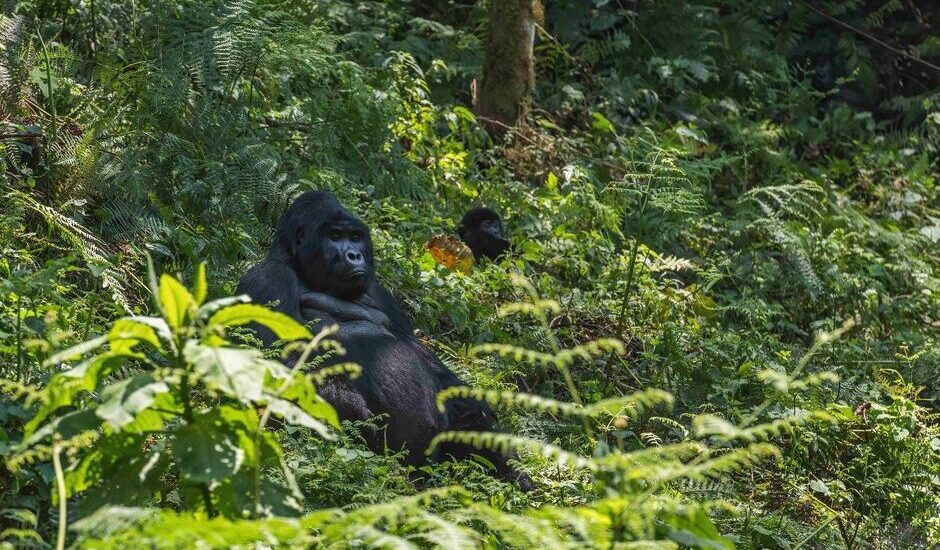
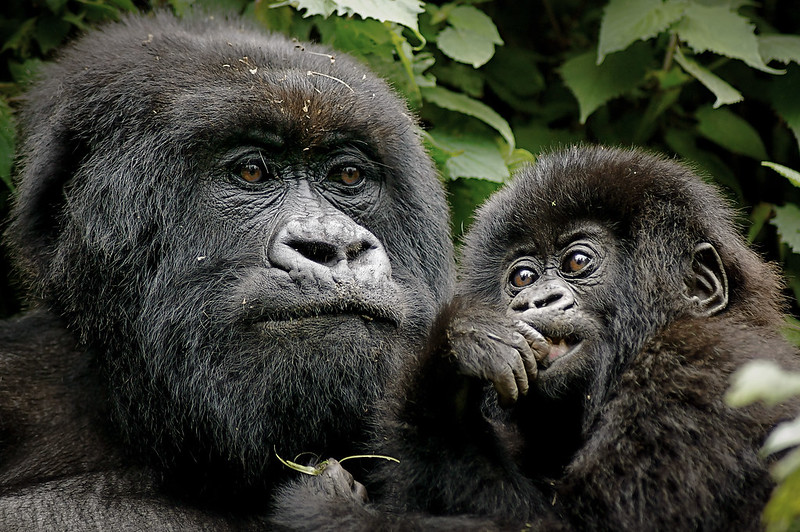
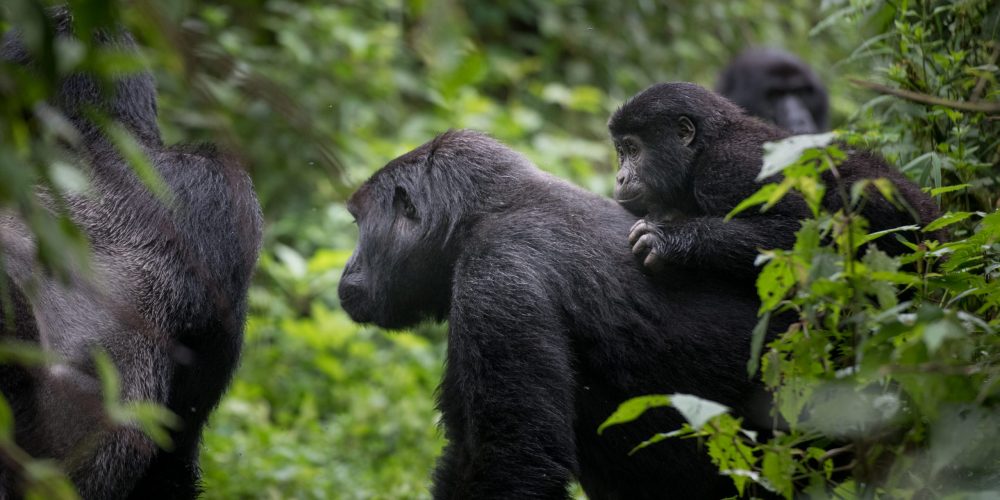
Rwanda is home to over 280 individual mountain gorillas spread across more than twenty families living in the Virunga Volcanoes of Volcanoes National Park. Of these families, twelve are open to visits, with a daily rotation of groups to ensure a unique experience for trekkers. Seeing gorillas in their natural habitat is a once-in-a-lifetime opportunity for many visitors.
Trekking Gorillas in Rwanda
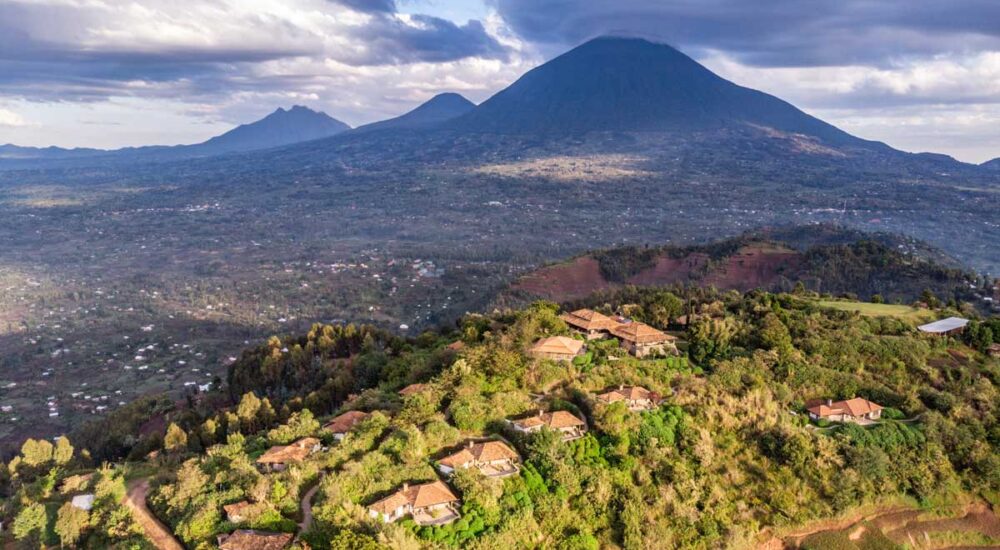
Sabyinyo Silverback Lodge is an ideal base for those seeking to witness Rwanda’s mountain gorillas in their natural environment. Located just 15 minutes from Volcanoes National Park headquarters, where gorilla treks begin, it offers easy access to this remarkable wildlife experience.
Gorilla trekking usually starts at 07:30 am from the Park Headquarters. Before setting off, visitors are briefed by park staff, assigned to a gorilla family, and accompanied by trained rangers. Treks occur on the slopes of the Virunga Volcanoes, which can be physically demanding. Visitors should be in good physical condition, as treks can range from 2 to 5 hours, depending on the location of the gorilla family. A maximum of eight visitors are permitted to visit each gorilla family.
Once you encounter the gorillas, you will have one hour to observe them. It is important to note that the minimum age for gorilla trekking in Rwanda is 15 years. Gorilla permits are limited, with only 80 permits issued daily. These permits can sell out quickly, particularly during peak seasons, so it is advised to secure them in advance. The cost for a gorilla permit in Rwanda is USD $1500 per person.
For those interested in planning a Rwanda gorilla trekking safari, Monumental Expeditions and Safaris can assist with answering any questions, providing details on permit availability, and helping you plan your journey.
Gorilla Groups in Rwanda
The gorilla groups in Volcanoes National Park may shift locations over time. Gorillas may move up or down the mountains based on the season, or due to pressure from wild gorillas. Visitors can request a specific gorilla group upon arrival at the park headquarters, though it is not guaranteed.
Some of the groups currently habituated for tourism include:
Susa Group:
Known as the Kurira Group, this is the largest family with 38 members, including three silverbacks. The trek to this group can be challenging, especially during the summer, but the effort is rewarded with the opportunity to see a large group, including a rare set of twins.
Sabyinyo Group:
Comprising about 17 members, including two silverbacks, one of which is the largest in the park, Guhonda. The group is typically found near the forest’s edge and is easily accessible (a 20-40 minute walk from the park’s entrance).
Agashya Group:
Formerly known as Group Thirteen, this group has about 22 members and is led by the dominant silverback Agashya.
Amahoro Group:
A calm group of 19 members led by silverback Ubumwe. They are located between the Karisoke and Bisoke peaks.
Kwitonda Group:
With 23 members, this group has a wider range than others and has crossed the border into Rwanda from the DRC.
Hirwa Group:
Made up of about 18 individuals, this group includes one silverback and a rare pair of mountain gorilla twins.
Rules for Gorilla Trekking in Rwanda
As gorillas share 98% of our DNA, they are highly susceptible to human diseases, especially respiratory infections. To protect both the gorillas and visitors, several rules must be followed:
-
Only one group of tourists is allowed to visit each mountain gorilla group per day.
-
Visitors are limited to one hour with the gorillas.
-
Do not trek if you are sick with a cold or flu.
-
Maintain a 7-meter distance from the gorillas. If a gorilla approaches closer, try to move away gently.
-
Keep noise to a minimum and avoid sudden movements to prevent startling the gorillas.
-
Eating, drinking, or smoking is not permitted while with the gorillas.
-
Follow the instructions of your guide and trackers at all times.
Photographing Gorillas in Rwanda
Capturing images of mountain gorillas can be a magical experience, but it requires some adjustments. The forest’s lighting can be challenging, and flash photography is prohibited. It’s best to use a handheld camera or a monopod with a zoom lens (80–200mm f2.8) and a high ISO setting. Be prepared for rain, as the rainforest environment is often damp.
Cost of Gorilla Trekking Permits
Gorilla permits are essential for trekking and are priced as follows:
-
Rwanda: USD $1500
-
Uganda: USD $800 (with discounted permits for East African nationals)
-
Democratic Republic of the Congo (DRC): USD $450, with lower prices during the low season.
In addition, there is the gorilla habituation experience in Bwindi, Uganda, which costs USD $1500. This full-day experience allows for four hours with the gorillas, providing a more immersive experience compared to the standard one-hour trekking.
Conservation Efforts
The cost of permits is critical to funding conservation activities that protect these endangered species. A portion of the proceeds goes towards research, ranger salaries, and local community development. It is essential to keep permit prices high to prevent overcrowding and maintain the health of the gorilla population.
Best Time for Gorilla Trekking in Rwanda
Rwanda is an excellent destination for gorilla trekking year-round, but the best time to visit is during the dry months from June to August. The wet season (March, April, October, and November) can make trekking more challenging, but it also offers fewer crowds and lower rates for accommodations. The gorillas are still accessible during the rainy months, though weatherproof gear is recommended.
Why Visit Rwanda for Gorilla Trekking?
Rwanda is a small, scenic country that has recovered from its tragic history and is now considered one of the safest destinations in Africa. Gorilla trekking in Volcanoes National Park is the country’s top attraction, but there are other highlights as well, including golden monkey trekking, volcano hiking, and exploring Nyungwe Forest and Akagera National Park.
For those looking to experience Rwanda’s rich wildlife and history, trekking mountain gorillas should be at the top of the list.
Related Posts