African Safari Travel Guide for 2026 An African safari is one of the most thrilling…
Gorilla Trekking Scams and Booking Warnings
Gorilla Trekking Scams and Booking Warnings
In this post, we break down the most common gorilla trekking booking warnings, red flags to watch for, and how to ensure your dream trip doesn’t turn into a nightmare.
Why Gorilla Trekking Scams Are on the Rise
With permits costing up to $1,500 per person in Rwanda, the industry has become a lucrative target for scammers. These fraudsters prey on:
- Tourists unfamiliar with the region
- Travelers looking for budget deals
- Last-minute bookings
- Inexperienced or solo travelers
From fake websites to fraudulent tour agents, these scams are often highly convincing and difficult to detect — especially when planning your trip from abroad.
Most Common Gorilla Trekking Scams
1. Fake Gorilla Permits
One of the most prevalent and damaging gorilla trekking scams involves fake or forged permits. Scammers either sell entirely bogus permits or resell duplicates that won’t be accepted at national parks.
Red flags:
- Permits not issued by official authorities (e.g., UWA, RDB)
- No barcode or official seal
- Agent refuses to show permit before payment
- Deep discounts on high-season dates
Tip: Only book permits directly through the official park authorities or a licensed tour operator with accreditation from the Uganda Wildlife Authority (UWA) or Rwanda Development Board (RDB).
2. Bogus Tour Operators and Agencies
Scammers often set up fake travel websites or social media pages, claiming to be local operators offering discounted gorilla safaris. Once you pay, they vanish — leaving you without a trek, permit, or refund.
How to spot them:
- No physical address or local phone number
- Broken English or vague itineraries
- No reviews on TripAdvisor or SafariBookings
- Payment requested via untraceable platforms like Western Union or mobile money only
Check: Look for certifications such as AUTO (Association of Uganda Tour Operators) or RTTA (Rwanda Tours and Travel Association).
3. Last-Minute Booking Frauds
Desperate to get a permit? Scammers target tourists looking to book last-minute gorilla treks, claiming they have permits due to “cancellations.”
Warning signs:
- High-pressure sales tactics
- Extra charges for “express processing”
- No invoice or receipt
Reminder: Permits are limited and should be reserved months in advance, especially during high season (June–September).
4. Overpriced Middlemen and Hidden Fees
Not all scams are outright frauds. Some shady operators use bait-and-switch tactics, advertising low rates but adding unexpected fees later — for transport, guides, accommodation, or park entry.
Common tricks:
- Advertising $400 gorilla safaris — then demanding more for the actual permit
- Not including transfer to park gates
- Charging double for foreign nationals at the last minute
Tip: Ask for a full breakdown of costs in writing before sending any deposit.
5. Impersonating Official Park Authorities
Scammers have been known to create fake emails or websites pretending to be the Uganda Wildlife Authority (UWA) or Rwanda Development Board (RDB). They use logos and fake emails like info.rwabda@gmail.com.
Safety check:
- Official UWA website: https://www.ugandawildlife.org
- Official RDB website: https://rdb.rw
- Never trust any permit offered from a free Gmail/Yahoo account
How to Avoid Gorilla Trekking Scams
1. Book Through Accredited Operators
Use only licensed and registered safari companies. Look for memberships with:
- Uganda Tourism Board (UTB)
- Rwanda Tours and Travel Association (RTTA)
- SafariBookings or TripAdvisor certifications
Ask for proof of license or registration.
2. Verify Permit Authenticity
After booking:
- Ask to see a scanned copy of your gorilla permit
- Check for matching names, barcode, and issue date
- Confirm directly with the park authorities if unsure
📧 Email UWA: info@ugandawildlife.org
📧 Email RDB: reservation@rwandatourism.com
3. Read Reviews and Ratings
Use trusted platforms like:
- TripAdvisor
- SafariBookings
- Trustpilot
Search the tour operator’s name with keywords like “scam,” “fraud,” or “review.”
4. Use Secure Payment Methods
Avoid:
- Cash transfers via Western Union, MoneyGram
- Sending money to personal accounts
Preferred:
- Bank transfer to a business account
- Credit card (for fraud protection)
- PayPal (with invoice)
5. Check Domain and Contact Info
Be cautious of websites that:
- Use .net or .biz domains
- Have no SSL certificate (no “https”)
- Lack physical addresses or business registration info
What to Do If You’re a Victim of a Gorilla Trekking Scam
- Report it to your credit card company or bank.
- Contact local authorities:
- Report the website or social media profile to Google or Meta.
- Leave reviews to warn other travelers.
Consider reporting the scam to the Uganda Tourism Board or Rwanda Development Board for investigation.
FAQs: Gorilla Trekking and Booking Safety
Q: How far in advance should I book gorilla permits?
A: At least 3–6 months ahead, especially in high season.
Q: Can I buy gorilla permits myself?
A: Yes. You can book directly through UWA (Uganda) or RDB (Rwanda), but most travelers use reputable tour operators to manage logistics.
Q: Is gorilla trekking in Congo safe?
A: Parts of the DRC are unstable due to security issues. Research current travel advisories before planning a trip to Virunga National Park.
Conclusion: Trek Smart, Travel Safe
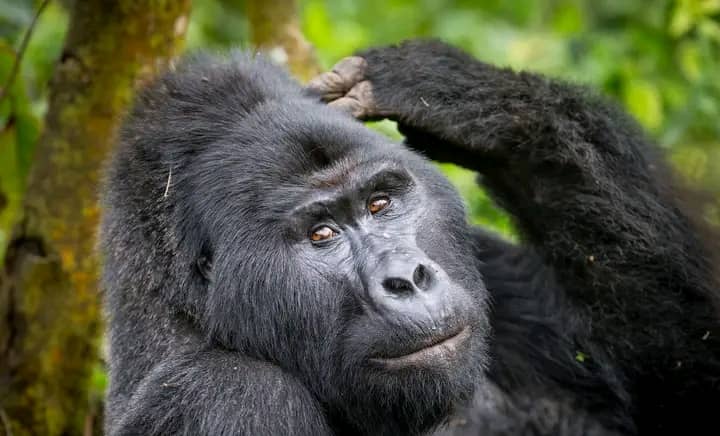
Gorilla trekking is an unforgettable experience, but it requires careful planning and awareness. As thrilling as it is to get up close to the gentle giants of the rainforest, don’t let scammers ruin your adventure.
Always verify, always double-check, and never rush. Use trusted platforms, pay safely, and ask questions. Your dream trek deserves more than a shady deal — it deserves to be a memory that lasts a lifetime.
Related Posts