
Gorilla trekking guidelines
Rules for tracking In an effort to preserve the health and safety of mountain gorillas, gorillas have undergone meticulous development. As previously stated, gorillas are particularly vulnerable to human illnesses and infections, and they experience stress if too many people visit or if they are approached too closely. Keep in mind that they are untamed people who fiercely defend their young. These apes require visitors to leave them alone so they can eat, relax, and interact with other members of their own species in order to stay healthy and thrive.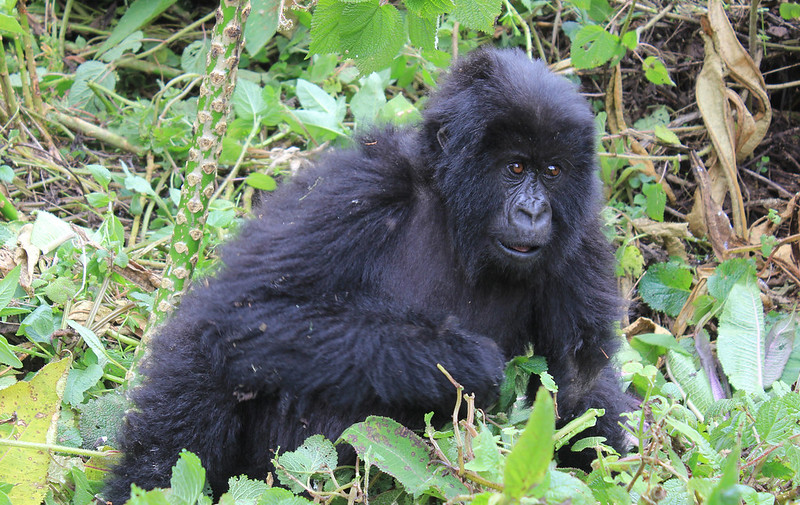
RULE 1: Park employees have the authority to deny a visitor access to gorillas if they are ill.
PURPOSE: To prevent disease or illness from affecting the big apes.
RULE 2: Only one visit is allowed per day and the number of tourists is limited to eight per group.
PURPOSE: To reduce stress, behavioral disruption, and potential infection risk.
The third rule is that guests must be at least fifteen years old.
PURPOSE: To reduce the possibility of exposing gorillas to cold or flu viruses as well as childhood illnesses including the mumps, chickenpox, and measles.
RULE 4: You can only spend one hour with huge apes.
PURPOSE: To reduce stress, behavioral disruption, and potential infection risk.
RULE 5: No flash photography is allowed.
REASON: Gorillas may become agitated or afraid of it, which could lead to an aggressive response or charge.
RULE 6: Every guest must occasionally keep a minimum of seven meters away from gorillas. Visitors should gradually back off to five meters if the great apes get close to two or three meters (as inquisitive adolescents occasionally do). In the event that this is not feasible, the guests will be asked to stay put. The guidelines in the guide should always be followed. Your backpack and other belongings should be kept out of reach of young gorillas so they cannot explore them.
PURPOSE: To prevent the gorillas from growing overly accustomed to humans, to decrease the spread of sickness, stress, and behavioral disruption, and to lessen the likelihood of potential future hostility toward tourists.
RULE 7: Visitors should avoid dispersing or encircling the great apes and instead stay in a close-knit group.
REASON: This gives the apes lots of space to roam around without feeling intimidated, which could lead to a charge.
RULE 8: When viewing the gorillas, guests should sit or crouch if at all possible.
REASON: When you stand taller than a gorilla and stare at them, it can be quite frightening or dangerous. One aspect of the great apes’ hostile or dangerous behavior is their standing bipedal ally.
RULE 9: Visitors should not point, lift their hands or arms, or look at them; body language is crucial.
REASON: Gorillas interpret these behaviors as aggressive or dangerous.
RULE 10: In order to gain a better view of the gorillas, visitors should not remove any vegetation in their immediate vicinity.
REASON: The gorillas may become agitated or afraid as a result. If it’s feasible and required, the guides will remove any vegetation.
RULE 11: Do not flee if a silverback gorilla attacks you, beats his chest, or shows. It is the duty of tour guides to prevent visitors from running or moving.
REASON: Staying silent where you are is the safest course of action, even if a charge may be frightening.
RULE 12: You are not allowed to eat, drink, or smoke within 200 meters of the gorillas.
REASON: If they approach out of curiosity, the behaviors could divert them and lead to issues. Remains and food might spread the virus.
RULE 13: Whisper and be as silent as you can. Do not scream if you are stung by stinging nettle or bitten by Safari ants.
The goal is to reduce behavioral disruption and steer clear of upsetting gorillas. If gorillas are already there, they may depart since newly habituated gorillas may be terrified to approach noisy humans.
RULE 14: Turn away from the great apes and attempt to cover your mouth and nose if you, the visitor, need to cough or sneeze.
PURPOSE: To reduce the transmission of airborne viruses or germs that you may be unwittingly harboring.
All faucal items must be buried, according to rule 15. It is possible to borrow a machete from guides, dig a hole that is thirty centimeters (ten inches) deep, and then fill it.
REASON: Fasces can spread quickly among other animals, including great apes.
RULE 16: All trash must be taken out of the park, and guests are encouraged to take extra care not to drop small objects like tissues, handkerchiefs, or film boxes or canisters.
REASON: Trash can attract animals, cause issues if consumed, and spread germs or diseases in addition to being unattractive.