Gorilla Trekking Rwanda from Dubai: The Ultimate Luxury Safari Guide Travelers based in Dubai are…
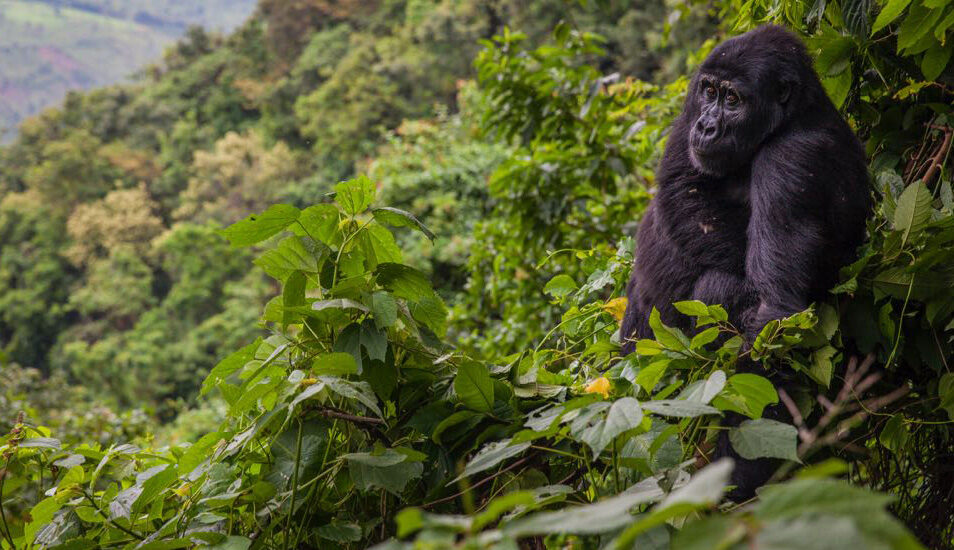
Gorilla trekking altitude | Uganda Gorilla Safaris
Gorilla Trekking Altitude: Everything You Need to Know Before Your Trek
Gorilla trekking is one of the most exhilarating wildlife experiences in the world. Whether you trek in Uganda, Rwanda, or DR Congo, your adventure takes you deep into the montane and tropical forests where mountain gorillas live. These forests are not only dense and misty — they are also located at high altitudes, which significantly influence trekking difficulty, weather conditions, and your overall experience.
This guide explores gorilla trekking altitude, including:
-
The altitude ranges in Uganda, Rwanda, and Congo
-
How altitude affects trekking difficulty
-
How to prepare for high-altitude trekking
-
What altitude means for weather and gorilla behavior
-
Best destinations for different fitness levels
If you’re planning a trek with Monumental Expeditions and Safaris, this guide will help you prepare for an unforgettable gorilla safari.
What Is Gorilla Trekking Altitude?
Gorilla trekking altitude refers to the height above sea level where gorillas live and where trekkers hike to find them. Mountain gorillas are adapted to high-elevation habitats, typically ranging between:
👉 2,200 meters and 3,800 meters (7,200 – 12,500 feet) above sea level.
This altitude varies depending on the national park and the gorilla family you trek.
Gorilla Trekking Altitude by Destination
Different gorilla trekking destinations sit at different elevations. Here is a breakdown:
1. Uganda Gorilla Trekking Altitude (Bwindi & Mgahinga)
Bwindi Impenetrable National Park Altitude
Bwindi is a mountainous rainforest with rugged terrain. Altitude varies significantly across sectors:
-
Lowest point: ~1,160 meters (3,800 ft)
-
Highest point: ~2,600 meters (8,530 ft)
-
Average trekking altitude: 1,400 – 2,500 meters (4,600 – 8,200 ft)
Altitude by Bwindi Sectors
-
Buhoma: 1,400 – 2,000 m
-
Ruhija: 2,300 – 2,600 m (Highest & coldest sector)
-
Rushaga: 1,900 – 2,400 m
-
Nkuringo: 2,100 – 2,600 m (Physically demanding terrain)
Bwindi offers some of the most challenging gorilla trekking altitudes, but also some of the most rewarding views and encounters.
Explore Uganda gorilla safaris: Monumental Expeditions and Safaris.
Mgahinga Gorilla National Park Altitude
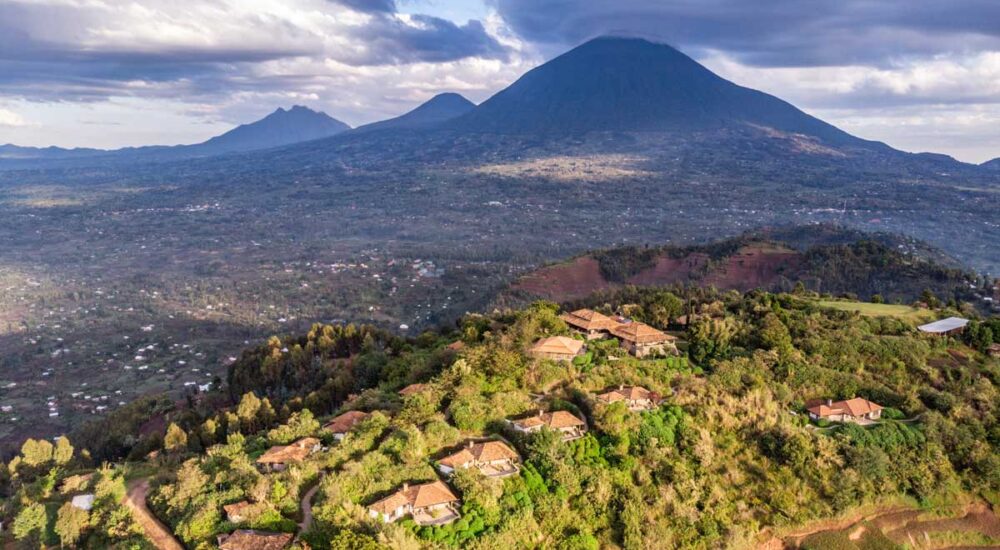
This park sits along the Virunga Volcanoes, so the altitude is higher.
-
Lowest point: ~2,100 meters (6,890 ft)
-
Highest point: ~3,474 meters (11,400 ft)
-
Average trekking altitude: 2,200 – 3,000 meters
If you’re trekking the Nyakagezi gorilla family, expect steep terrain and cooler temperatures.
2. Rwanda Gorilla Trekking Altitude (Volcanoes National Park)
Rwanda offers the highest gorilla trekking altitudes among all destinations.
-
Lowest point: ~2,400 meters (7,875 ft)
-
Highest point: ~4,507 meters (14,787 ft) — on Karisimbi Volcano
-
Average trekking altitude: 2,500 – 3,500 meters
The park consists of five volcanic mountains:
-
Karisimbi: 4,507 m
-
Bisoke: 3,711 m
-
Sabinyo: 3,645 m
-
Gahinga: 3,474 m
-
Muhabura: 4,127 m
Gorilla families tend to stay on the mid-slopes, but the altitude is still notably high. Trekking here is moderately challenging, but the bamboo forests are more open, making movement easier.
Explore Rwanda trekking packages: Monumental Expeditions and Safaris.
3. DR Congo Gorilla Trekking Altitude (Virunga National Park)
Congo’s Virunga National Park features lower altitudes compared to Rwanda, but still offers high-elevation trekking.
-
Lowest point: ~1,900 meters (6,200 ft)
-
Highest point: ~3,000 meters (9,800 ft)
-
Average trekking altitude: 2,000 – 2,800 meters
The vegetation here is a mix of low montane and high-altitude forest, making trekking more moderate in difficulty.
How Altitude Affects Your Gorilla Trekking Experience
Altitude influences several aspects of your hike:
1. Trekking Difficulty
The higher the altitude, the harder the trek feels. At altitudes above 2,500 meters, oxygen levels drop slightly, causing:
-
Shortness of breath
-
Faster fatigue
-
Increased heart rate
Rwanda’s Volcanoes National Park is known for shorter but steeper and higher-altitude treks.
2. Weather Conditions
Altitude affects temperature and rainfall significantly.
At higher altitudes:
-
Temperature is cooler
-
Conditions can be misty
-
Rain is more frequent
Expect:
-
10–18°C (50–64°F) in the mornings
-
Rapid weather changes
Higher altitude = colder and wetter conditions.
3. Gorilla Movement and Behavior
Gorillas may move up or down the mountain slopes depending on:
-
Temperature
-
Food availability
-
Rain patterns
In dry seasons, gorillas may go higher since vegetation is less dense in upper zones. During rainy months, they may stay lower.
This affects how long your trek might be.
4. Trekking Duration
Altitude directly affects your trekking time. Higher altitude = steeper gradients.
Trek duration ranges:
-
1–3 hours (easy to moderate gorilla families)
-
4–7 hours (high-altitude gorilla groups in Rwanda & Bwindi’s Ruhija/Nkuringo sectors)
Your trekking ranger chooses a gorilla family based on your fitness level and preference.
How to Prepare for High-Altitude Gorilla Trekking
Altitude shouldn’t worry you — thousands of guests trek successfully every year. Preparation makes your experience smoother.
1. Train Before Your Trip
Focus on:
-
Walking
-
Hiking
-
Stair climbing
-
Cardiovascular fitness
Aim for 30–60 minutes of daily activity at least 3 weeks before your trek.
2. Stay Hydrated
High altitude dehydrates the body faster. Drink:
-
2–3 liters of water per day before and during your trek.
3. Take It Slow
Altitude trekking is not a race. Rangers set a comfortable pace and take breaks when needed.
4. Use a Walking Stick
These are provided before your trek and offer stability on steep, high-altitude terrain.
5. Hire a Porter
Porters carry your backpack and help navigate challenging areas. This greatly reduces fatigue.
6. Acclimatize Before Trekking
If possible:
-
Arrive a day early
-
Spend a night near the park (2,000–2,400 m altitude)
This helps your body adjust to the elevation.
Which Gorilla Destination Is Best for You Based on Altitude?
Here’s a comparison of trekking difficulty at different altitudes:
1. Uganda — Best for All Fitness Levels
Uganda has the most varied altitudes. Some gorilla families live on lower or moderate elevations, making it ideal for:
-
Families
-
Older trekkers
-
First-time hikers
If you prefer mid-altitude treks, choose Buhoma or Rushaga sectors in Bwindi.
2. Rwanda — Best for Strong Hikers
Rwanda is perfect if you:
-
Are physically fit
-
Want shorter but steeper hikes
-
Enjoy high-altitude terrain
The bamboo forests also offer clear visibility.
3. DR Congo — Best for Moderate Adventure
Congo has moderate altitude ranges and relatively easy terrain. It suits adventurous travelers seeking fewer tourists and unique experiences.
Altitude and Weather: What to Expect on the Trek
Temperatures at Gorilla Trekking Altitude
-
Daytime: 15–22°C (59–71°F)
-
Early mornings: 8–12°C (46–54°F)
Weather Conditions
-
Misty forest environment
-
Frequent showers
-
Slippery ground at higher altitudes
Proper clothing is essential:
-
Waterproof hiking boots
-
Warm layers
-
Rain jacket
-
Gaiters
Is High Altitude Dangerous?
Gorilla trekking altitude is generally safe.
Mild altitude symptoms may include:
-
Headache
-
Fatigue
-
Shortness of breath
Severe altitude sickness is extremely rare because treks do not exceed 3,800 meters.
Your trekking ranger will monitor your condition throughout.
Book a Gorilla Trek With Monumental EXPEDITIONS AND SAFARIS
Whether you choose Uganda, Rwanda, or Congo, Monumental Expeditions and Safaris offers expertly guided treks at all altitudes. Their experienced guides understand the terrain, gorilla behavior, and altitude adaptation—ensuring your trek is safe, comfortable, and unforgettable.
Final Thoughts: Gorilla Trekking Altitude
Gorilla trekking altitude ranges from 1,200 to 3,800 meters, depending on the destination. Higher altitudes offer cooler weather, steeper slopes, and thrilling encounters, while mid-altitudes offer more comfort and easier hikes.
No matter the altitude, proper preparation ensures an amazing gorilla trekking adventure.
Related Posts