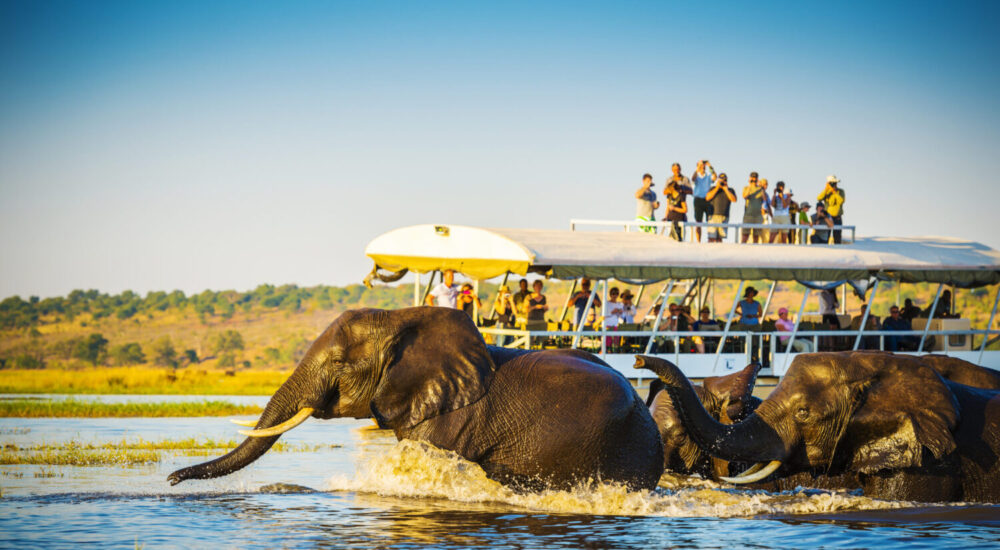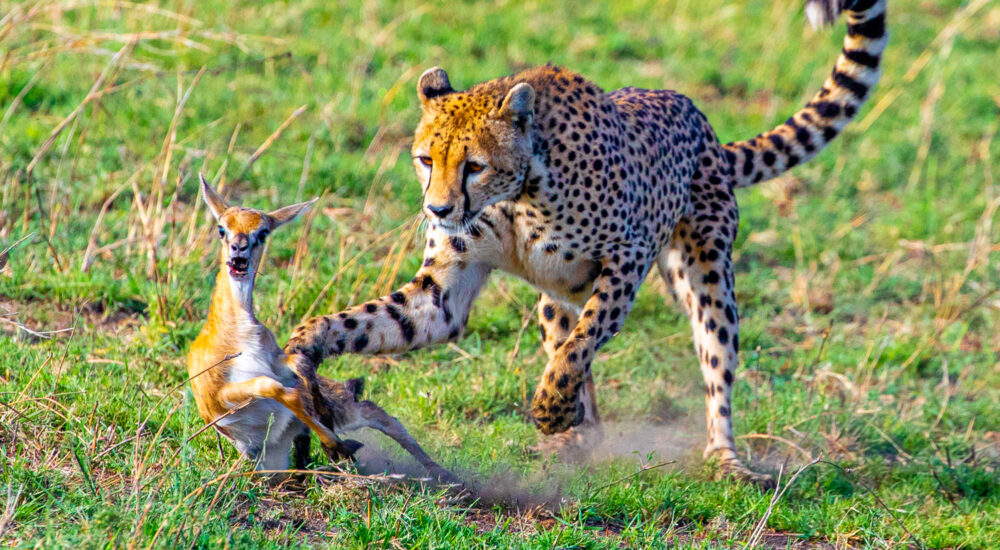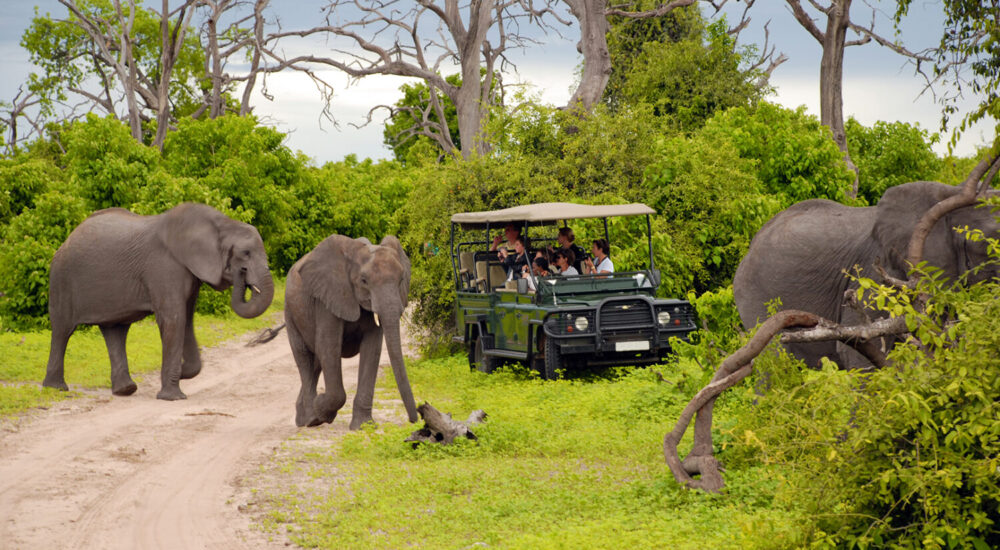
African Safari River Adventures and Boat Safaris African safaris are often associated with thrilling…
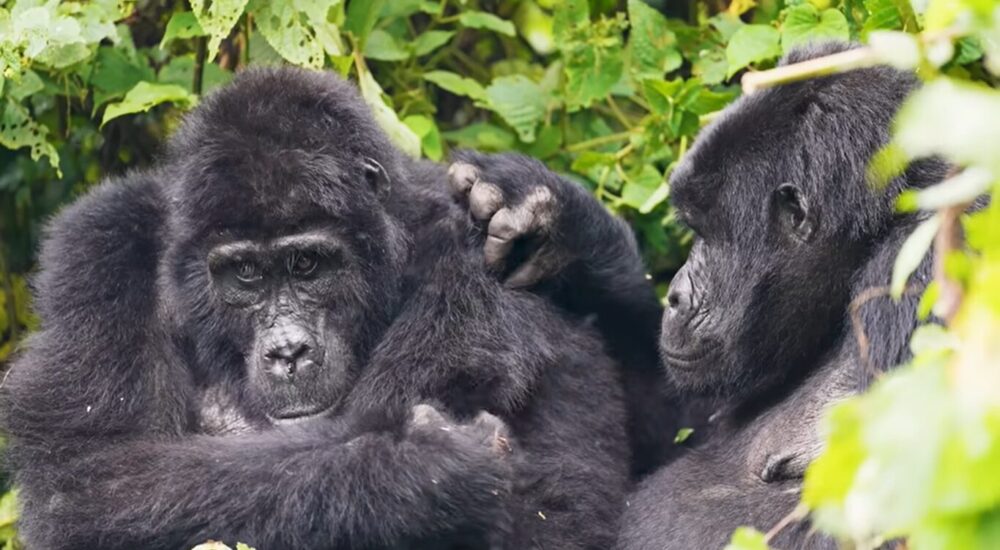
Gorilla Tourism in Africa
Gorilla Tourism in Africa: Your Ultimate Guide to Mountain Gorilla Safaris
Introduction
Gorilla tourism is one of Africa’s most thrilling wildlife experiences. Across Uganda, Rwanda, Congo, and Gabon, travelers can witness the majestic mountain gorilla in their natural habitat, creating memories that last a lifetime. Unlike any other wildlife encounter, gorilla trekking combines adventure, conservation, and education in the heart of Africa’s lush forests.
With proper planning, permits, and guidance from experienced safari operators like Monumental Expeditions and Safaris, visiting gorillas can be a safe and unforgettable experience.
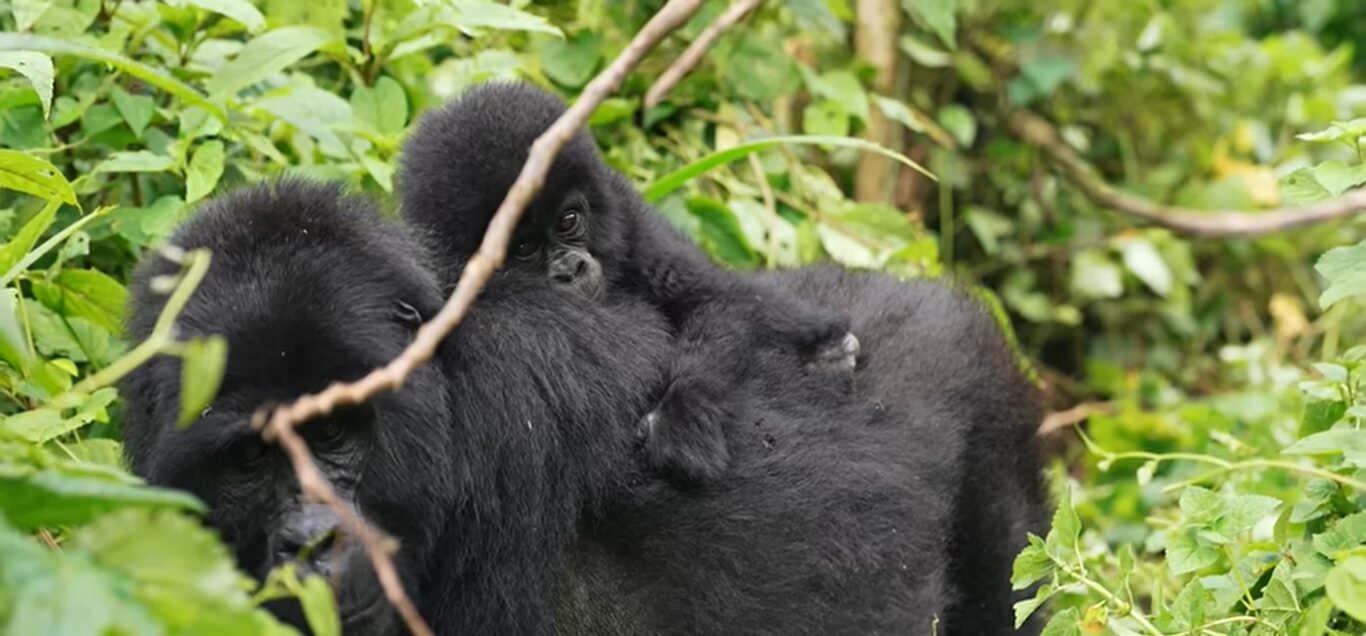
Why Gorilla Tourism Is Special
Gorilla tourism is unique because:
-
Rare wildlife encounter: Mountain gorillas are critically endangered, with fewer than 1,200 individuals in the wild.
-
Conservation impact: Tourism generates revenue that funds anti-poaching efforts, park management, and community projects.
-
Immersive experience: Trekkers walk through tropical forests, often hiking for hours, to observe gorillas up close.
-
Educational opportunity: Visitors learn about gorilla behavior, ecology, and conservation.
This tourism model not only allows people to witness wildlife but actively contributes to the survival of one of Africa’s most iconic species.
Top Gorilla Tourism Destinations in Africa
Africa is home to both mountain gorillas and western lowland gorillas, with gorilla tourism centered in a few key national parks.
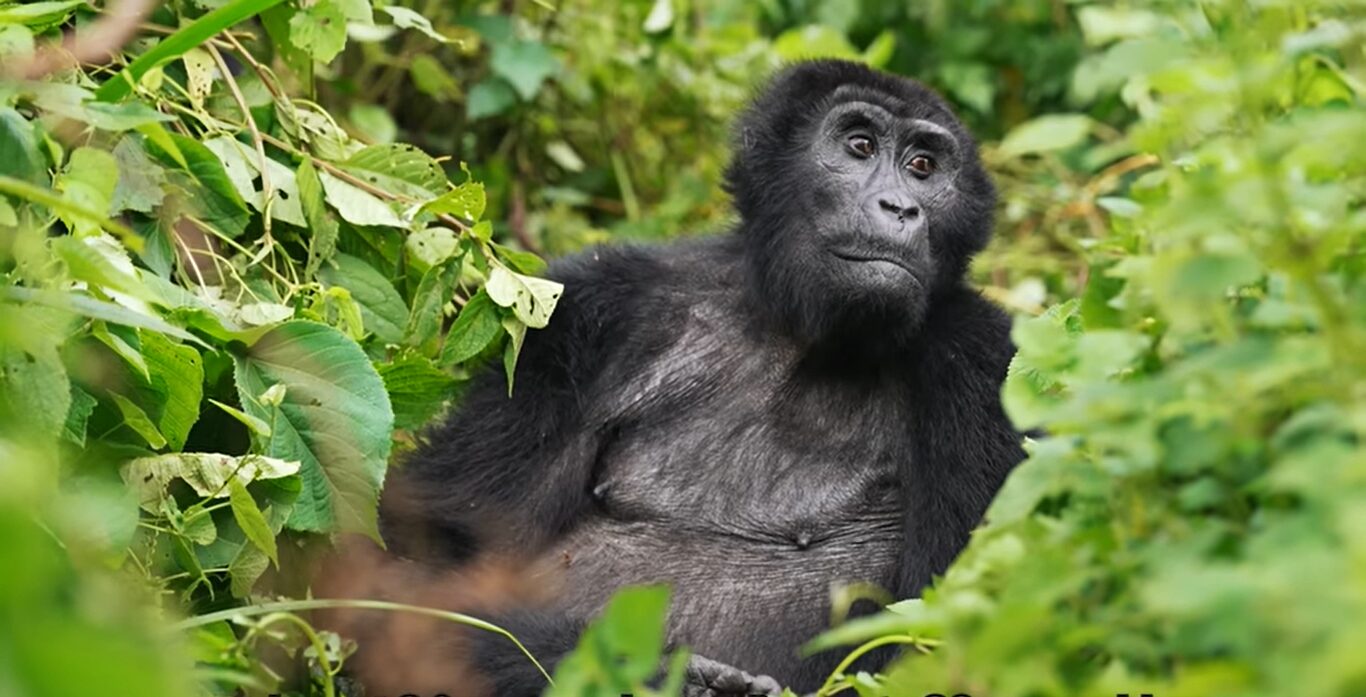
1. Uganda
Bwindi Impenetrable National Park
-
Famous for mountain gorilla trekking
-
Dense rainforest home to 400+ gorillas
-
High success rate (up to 95%)
-
Well-organized treks with trained rangers
Mgahinga Gorilla National Park
-
Smallest park in Uganda, but with a habituated gorilla family
-
Less crowded than Bwindi
-
Shared borders with Rwanda and DRC
Tip: Combine gorilla trekking with chimpanzee tracking in Kibale or Kalinzu Forest.
Book Uganda gorilla treks with: Monumental Expeditions and Safaris
2. Rwanda
Volcanoes National Park
-
The birthplace of gorilla tourism
-
Famous for Dian Fossey and the Karisoke Research Center
-
10 habituated gorilla families for trekking
-
Often easier logistics than Uganda (shorter drive times)
Best Time to Visit: June–September and December–February for dry weather and easy trekking.
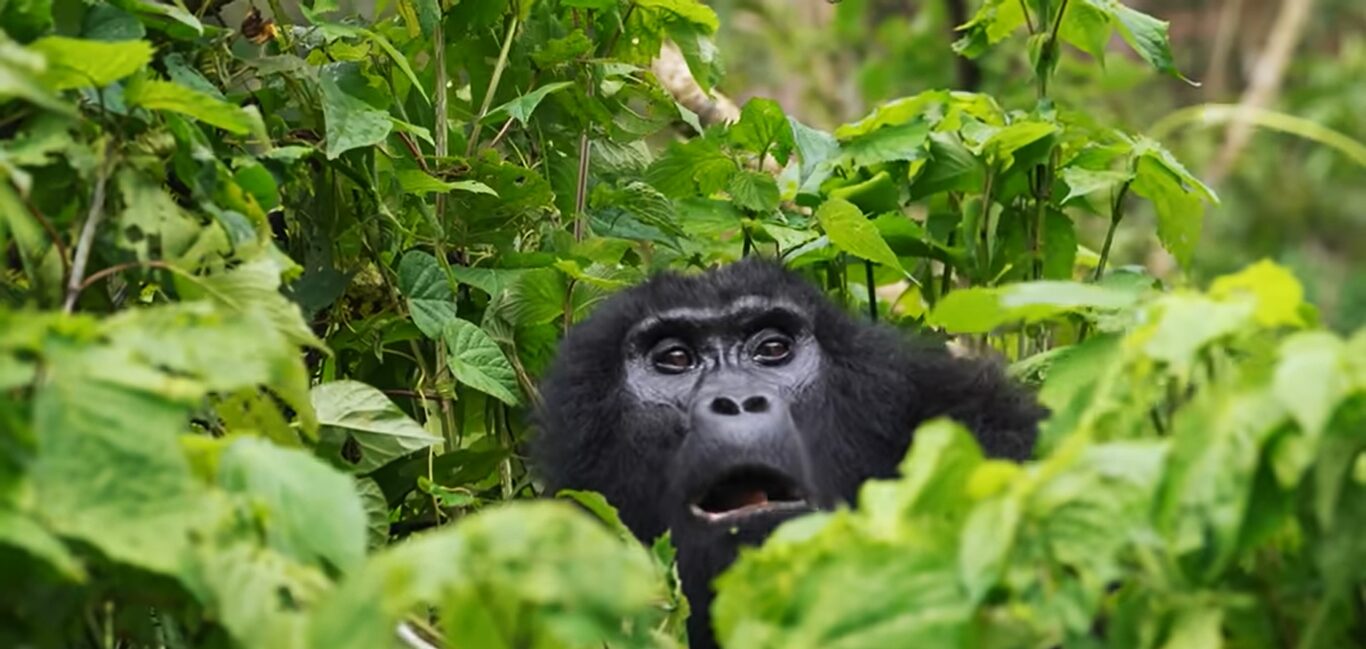
3. Democratic Republic of Congo (DRC)
Virunga National Park
-
Africa’s oldest national park (est. 1925)
-
Home to mountain gorillas and active volcanoes
-
Trekking requires permits and security checks due to occasional political instability
-
Offers authentic wilderness experience
4. Gabon
Loango & Lopé National Parks
-
Focused on western lowland gorillas
-
Dense forests and remote terrain
-
Suitable for adventurous travelers seeking off-the-beaten-path experiences
Gorilla Trekking Permits
Why They Are Important
-
Fund conservation and anti-poaching efforts
-
Control visitor numbers to minimize stress on gorillas
Permit Prices
| Country | Cost per Person | Notes |
|---|---|---|
| Uganda (Bwindi) | USD 800 | Foreign non-residents |
| Uganda (Mgahinga) | USD 800 | Less crowded |
| Rwanda | USD 1,500 | Popular tourist destination |
| DRC (Virunga) | USD 400 | Subject to security clearance |
| Gabon | USD 350 | For western lowland gorillas |
Tip: Always book permits in advance through reliable operators like Monumental Expeditions and Safaris to guarantee availability.
Best Time for Gorilla Tourism
Dry Seasons
-
June–September
-
December–February
Dry seasons make trekking easier and safer, reducing slippery trails and river crossings.
Wet Seasons
-
March–May
-
September–November
-
Fewer tourists, lush scenery, and excellent photography conditions
-
Trails may be slippery and treks longer
What to Expect on a Gorilla Trek
-
Morning briefing: Rangers explain safety rules and trekking protocols
-
Trekking: Hiking 2–6 hours through dense forest
-
Tracking gorillas: Using ranger expertise and GPS tracking
-
One hour with gorillas: Observe feeding, nesting, and social interactions
-
Return & certificates: Receive a souvenir certificate for your encounter
Tips for a Safe Trek:
-
Wear long sleeves and pants
-
Bring hiking boots, water, and snacks
-
Maintain 7-meter distance from gorillas
-
Follow ranger instructions
Gorilla Behavior You May See
-
Chest-beating: A display of strength or dominance
-
Grooming: Social bonding behavior
-
Playing: Juveniles often tumble and swing from trees
-
Nesting: Gorillas build sleeping nests daily in trees or on the ground
-
Vocalizations: Hoots and grunts to communicate
Observing these behaviors is a once-in-a-lifetime wildlife experience that deepens appreciation for conservation.
The Impact of Gorilla Tourism on Conservation
Gorilla tourism is a win-win for conservation and communities:
-
Funding anti-poaching patrols
-
Protecting habitats
-
Supporting local communities through employment and tourism revenue
-
Raising global awareness about endangered species
By visiting responsibly, travelers contribute to the long-term survival of mountain gorillas.
Health and Safety for Gorilla Trekkers
Vaccines and Precautions
-
Yellow Fever (required in most countries)
-
COVID-19 vaccination recommended
-
Hepatitis A, Typhoid, Tetanus suggested
-
Malaria prophylaxis advised
Rules During Trekking
-
Keep distance (7 meters)
-
Wear masks around gorillas
-
Do not visit if ill
-
No sudden movements or loud noises
How to Book Gorilla Tourism in Africa
Booking with a professional safari operator ensures:
-
Permit availability
-
Safe trekking logistics
-
Experienced guides
-
Accommodation and transport coordination
Monumental Expeditions and Safaris specializes in gorilla trekking safaris in Uganda, Rwanda, DRC, and Gabon, offering tailored itineraries to suit your needs.
Combining Gorilla Tourism with Other Safaris
Many travelers combine gorilla trekking with:
-
Wildlife safaris: Maasai Mara (Kenya), Queen Elizabeth NP (Uganda), Serengeti (Tanzania)
-
Chimpanzee trekking: Kibale Forest, Kalinzu Forest, Nyungwe Forest (Rwanda)
-
Cultural tours: Visit local communities, markets, and villages
-
Birdwatching: Uganda and Rwanda are birding hotspots
This makes gorilla tourism part of a complete African wildlife adventure.
Conclusion
Gorilla tourism in Africa is more than a wildlife experience; it’s a journey into the heart of conservation, adventure, and cultural understanding. By trekking in Uganda, Rwanda, DRC, or Gabon, travelers can witness mountain gorillas, support local communities, and contribute to protecting one of the planet’s most endangered species.
For a safe, seamless, and unforgettable gorilla trekking experience, trust the experts at Monumental Expeditions and Safaris.
Related Posts