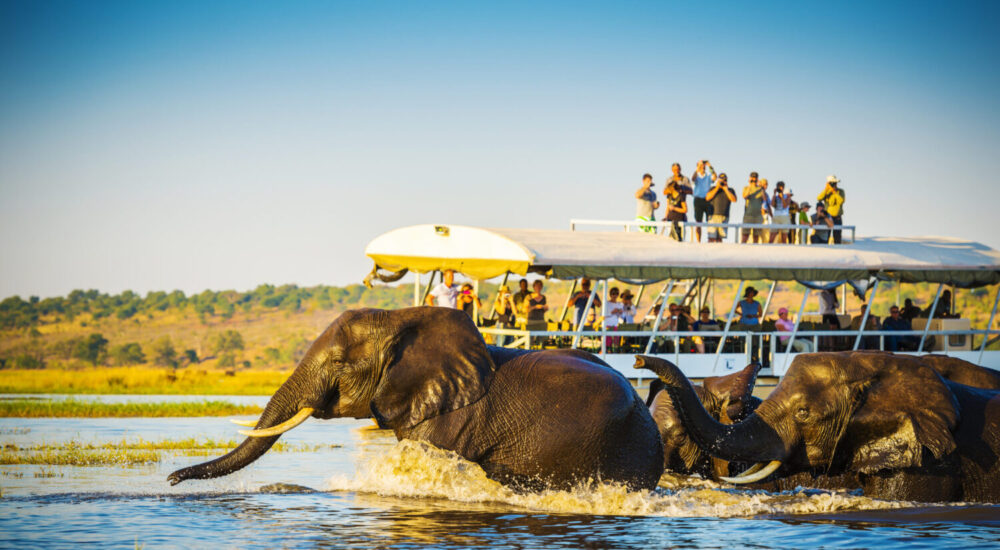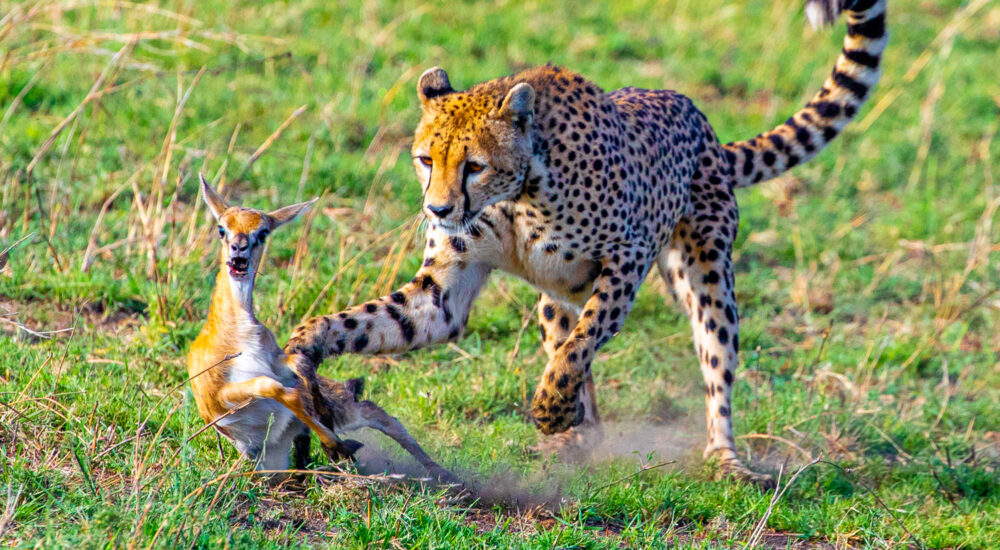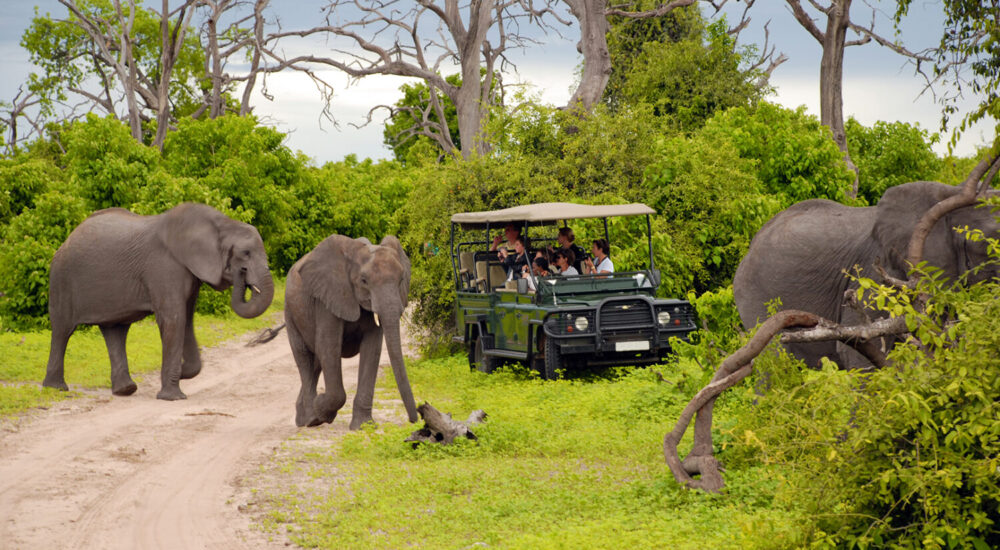
African Safari River Adventures and Boat Safaris African safaris are often associated with thrilling…
Cultural Encounters in East Africa
East Africa is a region teeming with rich cultures, ancient traditions, and diverse communities. From the bustling markets of Nairobi to the tranquil villages of Tanzania, the heart of East Africa beats in its people and their stories. Cultural encounters in East Africa offer travelers an opportunity to immerse themselves in local customs, learn about age-old traditions, and engage with vibrant communities. Whether you’re exploring the Maasai Mara in Kenya or the spice islands of Zanzibar, each cultural experience in East Africa is a doorway to a unique world.
In this comprehensive guide, we’ll explore the fascinating cultural encounters you can experience across East Africa. From the history of the indigenous tribes to their dances, food, art, and everyday life, you’ll learn why cultural travel in East Africa is a transformative experience.
1. Introduction to East Africa’s Cultural Diversity
East Africa is home to some of the most culturally diverse regions in the world. The countries of East Africa, including Kenya, Tanzania, Uganda, Ethiopia, and the islands of Zanzibar, offer travelers a unique blend of African, Arab, and even Indian influences, shaped by centuries of migration, trade, and colonialism.
Each country boasts its own set of indigenous tribes, languages, and cultural practices, making it a prime destination for travelers seeking authentic cultural experiences. Whether you’re visiting the famous Maasai markets, participating in a traditional Ethiopian coffee ceremony, or listening to the sounds of a Taarab orchestra, East Africa offers something for every traveler interested in culture.
2. Key Tribes and Their Traditions
The Maasai People of Kenya and Tanzania
One of East Africa’s most iconic tribes, the Maasai people are known for their colorful attire, unique customs, and deep connection with nature. The Maasai live in Kenya and Tanzania, primarily in the Great Rift Valley, and are famous for their semi-nomadic lifestyle. Visiting Maasai villages is a cultural experience in East Africa that allows travelers to learn about the tribe’s fascinating history and customs.
Maasai culture emphasizes community, respect for elders, and a deep connection to the land. Visitors can witness traditional Maasai dances, listen to ancient stories told by elders, and even join in a cultural ceremony or ritual that marks important life stages.
The Kikuyu of Kenya
The Kikuyu people are Kenya’s largest ethnic group and have a profound influence on the country’s culture. Their history, language, and customs date back centuries. The Kikuyu are predominantly farmers, and their agricultural traditions have shaped their identity.
The Hadzabe of Tanzania
The Hadzabe tribe, one of Tanzania’s indigenous groups, offers a glimpse into one of the last hunter-gatherer communities in the world. Living in the remote areas of Tanzania’s Lake Eyasi, the Hadzabe have preserved their ancient way of life. Cultural encounters with the Hadzabe provide travelers with an opportunity to witness the tribe’s unique relationship with the environment and their deep knowledge of the land.
The Swahili Culture of Zanzibar and Coastal Kenya
Swahili culture is a blend of African, Arab, and Indian influences that developed along East Africa’s coast, especially in Zanzibar, Kenya, and Tanzania. The Swahili people are famous for their beautiful coastal cities, which feature historic architecture, traditional markets, and vibrant cultural practices.
3. Local Festivals and Celebrations
The Enkutatash (Ethiopian New Year)
In Ethiopia, the Enkutatash or Ethiopian New Year is a celebration that takes place in September. The day is filled with prayers, feasts, and traditional dances. Ethiopian families gather together, and people often wear bright, colorful clothing to mark the occasion.
The Lamu Cultural Festival (Kenya)
Held annually in the town of Lamu, Kenya, the Lamu Cultural Festival is a celebration of Swahili heritage and traditions. The festival includes music performances, dances, boat races, and art exhibitions. It’s a great way to immerse yourself in the rich history of the Swahili people while exploring the beautiful island of Lamu.
Zanzibar International Film Festival (ZIFF)
The Zanzibar International Film Festival (ZIFF) is East Africa’s premier film festival and a fantastic way to experience the region’s cultural arts. Held annually in Zanzibar, the festival attracts filmmakers, artists, and cultural enthusiasts from all over the world.
4. Art, Music, and Dance in East Africa
Traditional Music and Instruments
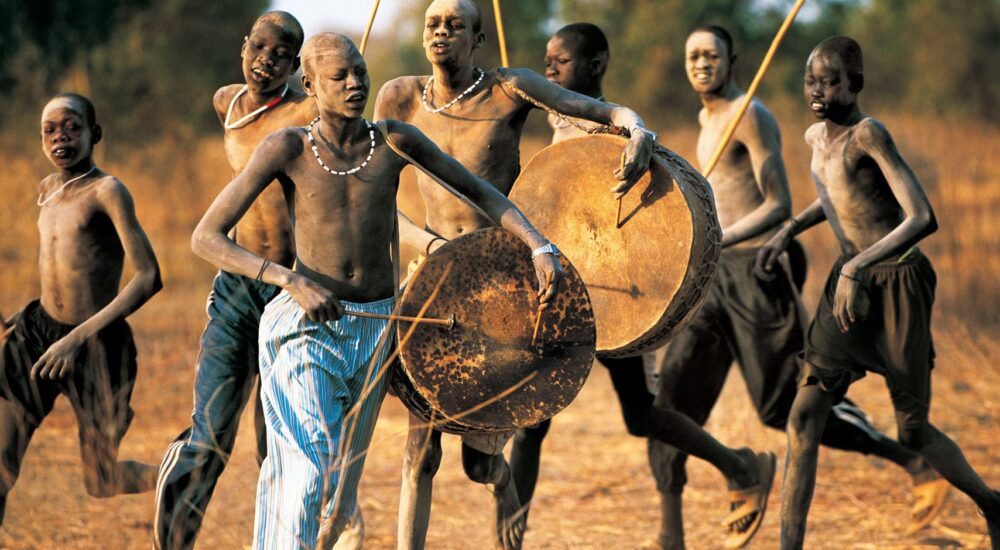
Music in East Africa is deeply rooted in tradition, with each tribe using unique instruments to create melodies that reflect their history. Drums, flutes, and string instruments like the kirar (a type of lyre) are common in many East African cultures.
The Importance of Dance in East African Culture
Dance is another form of cultural expression that holds great significance in East Africa. It’s used in ceremonies, festivals, and everyday celebrations. Whether it’s the energetic Adumu (Maasai jumping dance) or the graceful Swahili taarab dance, dancing is a way for East Africans to tell stories, honor ancestors, and celebrate important life events.
5. Culinary Delights: Traditional Food of East Africa
A visit to East Africa would be incomplete without experiencing its delicious food. The cuisine in this region is varied, incorporating local ingredients, spices, and cooking techniques that have been passed down through generations.
6. Visiting Indigenous Communities: Etiquette and Respect
When engaging with indigenous communities in East Africa, it’s important to approach cultural encounters with respect and humility. These communities have a deep connection to their heritage and may be protective of their traditions.
7. The Role of Storytelling in East African Culture
Storytelling is an essential aspect of East African culture. Many tribes pass down their history, customs, and wisdom through oral traditions. Elders often gather children and adults alike to share tales of their ancestors, explain moral lessons, or recount significant events.
8. How to Plan a Cultural Encounter in East Africa
- Research the local culture and customs before visiting.
- Hire a local guide who is knowledgeable about the community and their traditions.
- Support local artisans and businesses by purchasing handmade crafts or products.
- Respect the privacy of local communities and always ask for permission before taking photos.
9. Conclusion: Embracing the Richness of East African Culture
Cultural encounters in East Africa offer travelers a once-in-a-lifetime opportunity to connect with diverse traditions, fascinating histories, and vibrant communities. Whether you’re learning the ancient rhythms of African drums, savoring traditional Swahili cuisine, or engaging in a lively dance with the Maasai, East Africa’s cultural wealth is a testament to its incredible diversity and resilience.
Book your trip, here
Related Posts