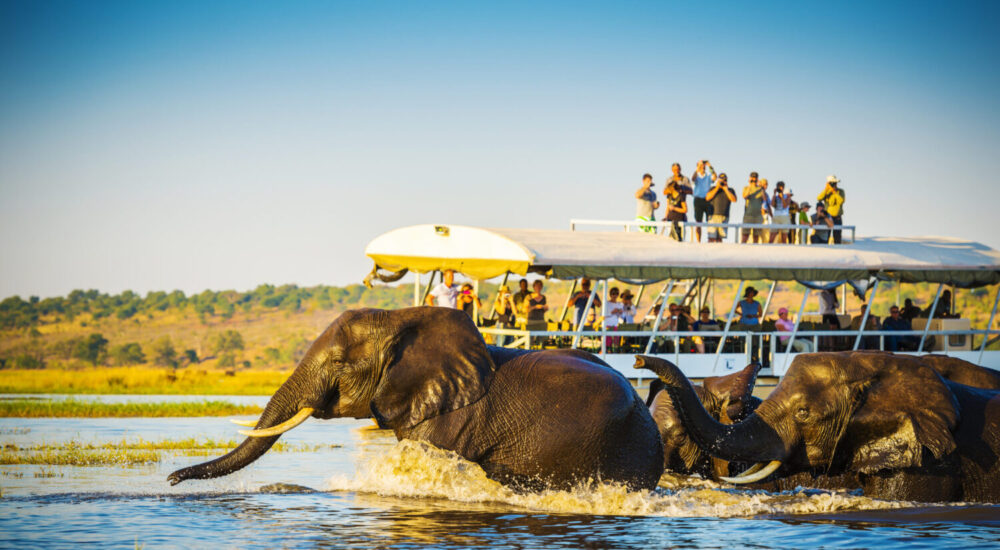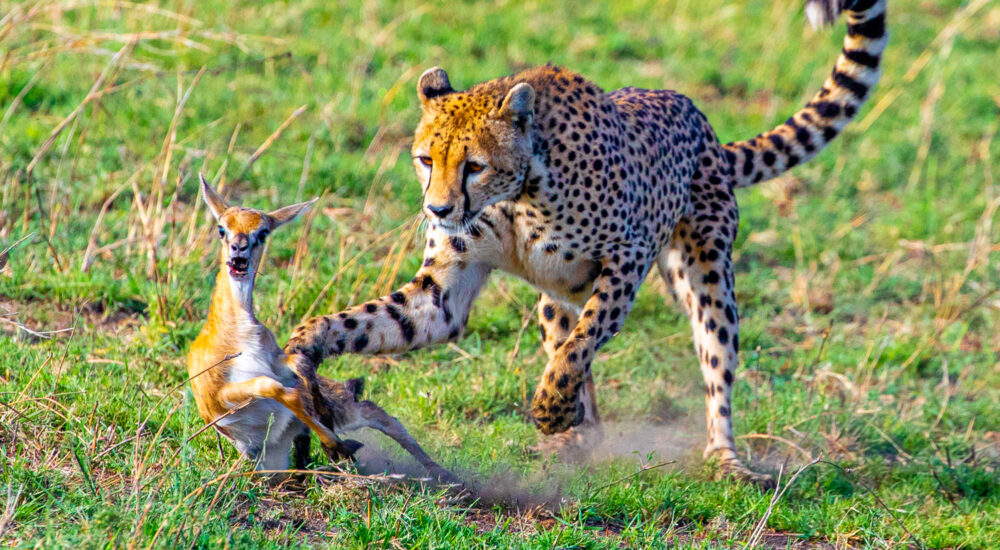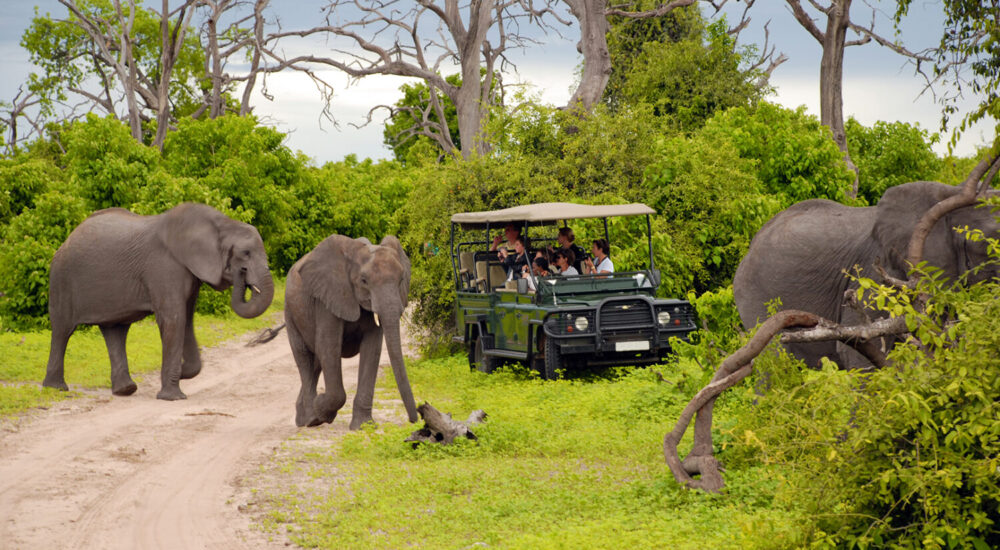
African Safari River Adventures and Boat Safaris African safaris are often associated with thrilling…
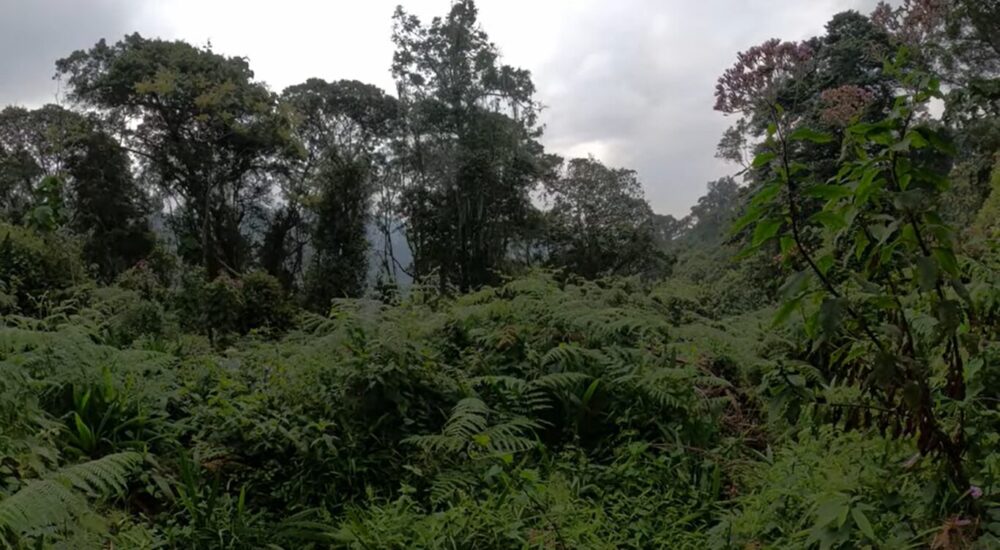
Conservation Efforts: Protecting Nature for Future Generations
Conservation efforts are more critical than ever in today’s rapidly changing world. As human activities continue to exert pressure on natural ecosystems, urgent action is required to preserve biodiversity, combat climate change, and protect the planet for future generations.
What Are Conservation Efforts?
Conservation efforts refer to the deliberate actions and strategies implemented to protect, preserve, and sustainably manage the natural environment. These initiatives aim to prevent the degradation of ecosystems, protect endangered species, and maintain natural resources for long-term use.
- Wildlife conservation
- Forest conservation
- Marine conservation
- Water conservation
- Soil conservation
- Climate change mitigation
Why Are Conservation Efforts Important?
- Preserving Biodiversity: Supports pollination, seed dispersal, and ecosystem services.
- Combating Climate Change: Forests and oceans store carbon and regulate the climate.
- Protecting Natural Resources: Prevents depletion of air, water, and soil.
- Saving Endangered Species: Prevents extinction and loss of natural heritage.
- Supporting Human Livelihoods: Many communities depend on healthy ecosystems.
Global Conservation Efforts Making a Difference
- REDD+ Program: UN-led initiative offering incentives for forest conservation.
- WWF Projects: Global work in anti-poaching, habitat restoration, and advocacy.
- Protected Areas: National parks and reserves conserve biodiversity and attract eco-tourism.
- Ocean Cleanup: NGOs tackle plastic pollution and illegal marine activity.
- Community-Based Conservation: Combines local knowledge with conservation science.
Types of Conservation Efforts
Wildlife Conservation
Involves protecting endangered animals through habitat protection and anti-poaching laws.
Forest Conservation
Focuses on preventing deforestation and restoring ecosystems through reforestation.
Marine Conservation
Protects coral reefs, fisheries, and marine life from pollution and overfishing.
Water Conservation
Ensures responsible use of freshwater sources and preservation of wetlands.
Soil Conservation
Prevents erosion and enhances fertility through sustainable farming practices.
Science and Technology in Conservation
- Satellite Imaging: Monitors land use and deforestation.
- Camera Traps: Non-invasive wildlife observation.
- Drones: Assist in forest patrol and data collection.
- AI and Machine Learning: Predict ecosystem changes.
- Genetic Research: Helps conserve genetic diversity and species recovery.
Challenges Facing Conservation Efforts
- Climate Change: Alters ecosystems and increases disaster risk.
- Urbanization: Destroys habitats and creates pollution.
- Illegal Trade: Poaching and trafficking threaten species survival.
- Lack of Funding: Many conservation projects are under-resourced.
- Weak Governance: Corruption and political instability hinder enforcement.
How You Can Support Conservation Efforts
- Support Sustainable Brands: Choose eco-friendly and ethical companies.
- Reduce Carbon Footprint: Use less energy, travel sustainably.
- Reduce, Reuse, Recycle: Cut down on waste and plastic use.
- Donate or Volunteer: Help organizations doing conservation work.
- Educate Others: Spread awareness about environmental issues.
The Future of Conservation Efforts
- Global Cooperation: International treaties promote shared goals.
- Biodiversity Offsetting: Businesses invest in habitat restoration.
- Indigenous Stewardship: Recognizing the role of Indigenous people in conservation.
- Youth Activism: Young leaders push for environmental justice and policy reform.
Summary: Key Takeaways on Conservation Efforts
- Conservation protects biodiversity and natural ecosystems.
- It includes wildlife, forest, marine, water, and soil conservation.
- Technology and science are improving conservation strategies.
- Challenges include climate change, funding, and illegal activities.
- Everyone can contribute through sustainable choices and advocacy.
Related Posts