
Chimpanzee and Gorilla Trekking
Due to their constant movement throughout the rain forest, gorilla tracking circumstances and timelines vary greatly. Being ready is a good idea, and keep in mind that the weather can change suddenly. Frequently, the terrain is steep and passes through unmarked regions.
Being as fit as possible can help you prepare for the extremely demanding nature of trekking in hot, high-altitude circumstances, which can last anything from a few hours to an entire day.
Although monitoring chimpanzees is typically easier than following gorillas, it can still be a strenuous trip and call for a high degree of athleticism, particularly if you have to follow the fast-moving chimps through the jungle.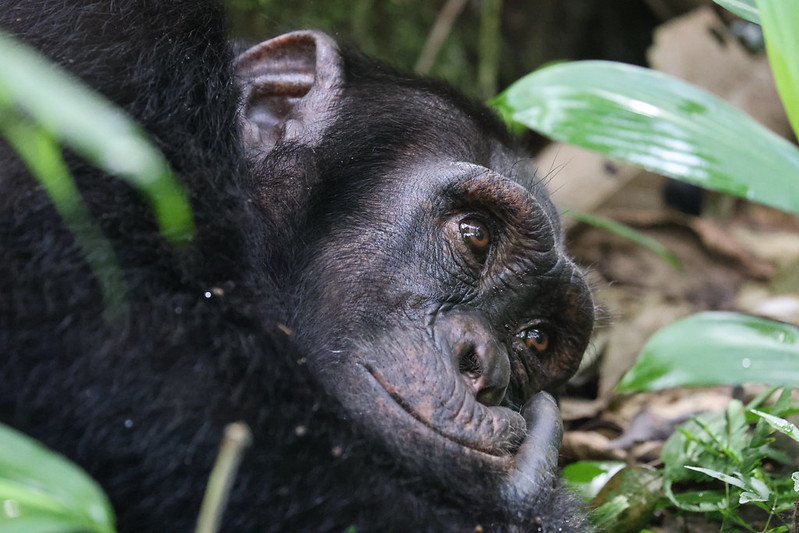
On the morning of your journey, you will meet a Uganda Wildlife Authority guide who will lead you into the bush while you track gorillas and chimps. To avoid carrying the few necessary items listed below, which you should bring with you to a day park, your guide can assist you in hiring a porter (or two!) so that you can keep track.
The porters can help push, pull, and support you on your trip to the gorillas because they are locals and are accustomed to the environment. You should budget about USD 15 per porter per day as a price, with additional tipping being optional. They are typically an extra expense on top of your safari costs.
A short distance from where you will be seeing the mountain gorillas, the porters will be detained because they lack tracking permits. For security concerns, please leave valuables at the resort or camp and only bring what you may need to see the gorillas.
As soon as your group spots the gorillas or chimps, you will have up to an hour to see them. This is to prevent the wild creatures from being overexposed to people. You must maintain a minimal distance from them when you are in their presence, usually between five and seven meters. Your escorts will make sure that this is done.
Daypack packing list for following chimpanzees and gorillas
One to two liters of water per person is plenty.
In addition to the packed lunch that the lodge or camp provides, high-energy snacks
Extra film and camera and video batteries
Gloves (excellent gardening gloves)
A waterproof pouch to safeguard your camera gear