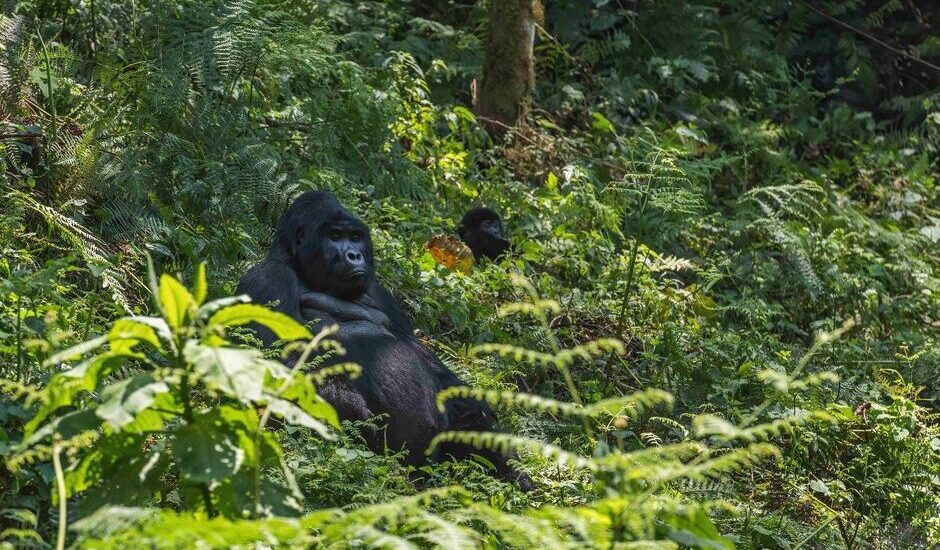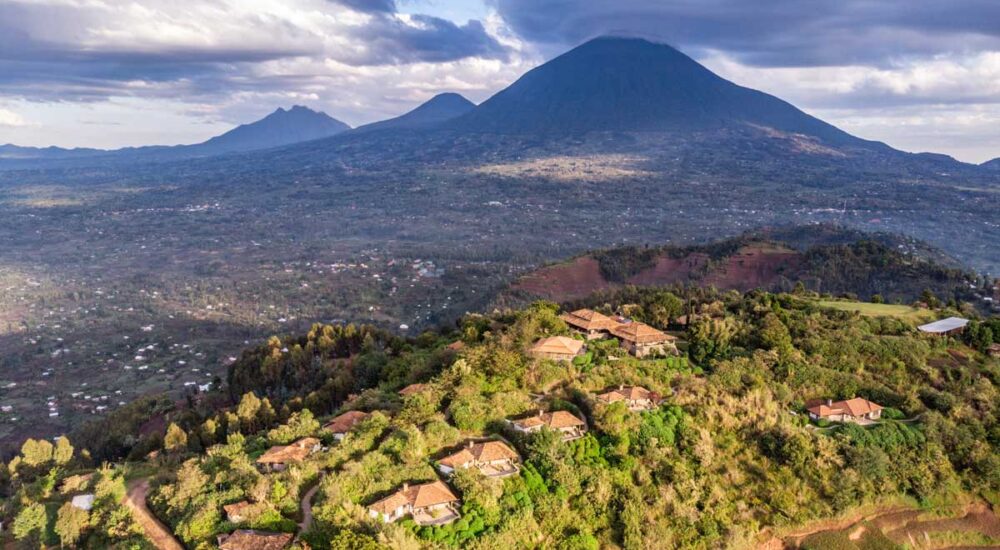
Gorilla Trekking Rwanda from Dubai: The Ultimate Luxury Safari Guide Travelers based in Dubai are…
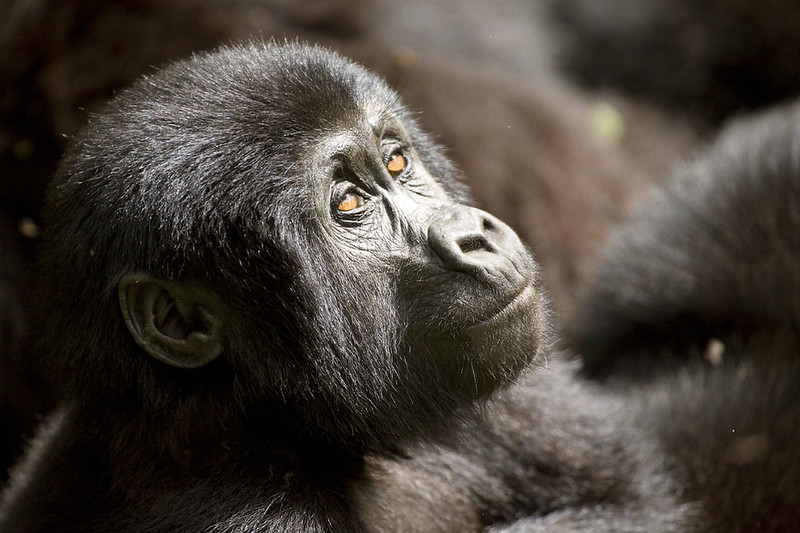
Can children trek to see gorillas? | Gorilla trekking safaris
Can Children Trek to See Gorillas? A Complete Guide for Families
Gorilla trekking is one of Africa’s most extraordinary wildlife experiences. Observing majestic mountain gorillas in their natural habitat is unforgettable for adults, but many families wonder: “Can children trek to see gorillas?”
This guide explores the age requirements, safety considerations, preparation tips, and family-friendly trekking advice to help parents plan an unforgettable gorilla adventure in Uganda, Rwanda, and DR Congo. Book your family-friendly safari with Monumental Expeditions and Safaris.
1. Introduction: Family Gorilla Trekking
Gorilla trekking is a unique form of eco-tourism that allows visitors to hike through dense forests, bamboo zones, and volcanic slopes to observe habituated gorilla families.
Families often ask whether children can safely participate, considering factors such as fitness, terrain, and wildlife behavior. With proper planning and guidance, children can indeed enjoy this once-in-a-lifetime adventure.
2. Age Requirements for Gorilla Trekking
2.1 Minimum Age Rules
Most gorilla trekking parks have a minimum age requirement for children:
-
Uganda (Bwindi Impenetrable Forest & Mgahinga Gorilla National Park): Minimum age 15 years
-
Rwanda (Volcanoes National Park): Minimum age 15 years
-
DR Congo (Virunga National Park): Minimum age 15 years
Some parks may allow younger children in private treks under special circumstances. Always confirm with your operator before booking.
2.2 Why Age Restrictions Exist
-
Safety: Trails can be steep, slippery, and challenging
-
Gorilla behavior: Children must be able to follow guide instructions carefully
-
Health: Young children are more susceptible to disease transmission
Age restrictions ensure both the safety of children and the wellbeing of gorillas.
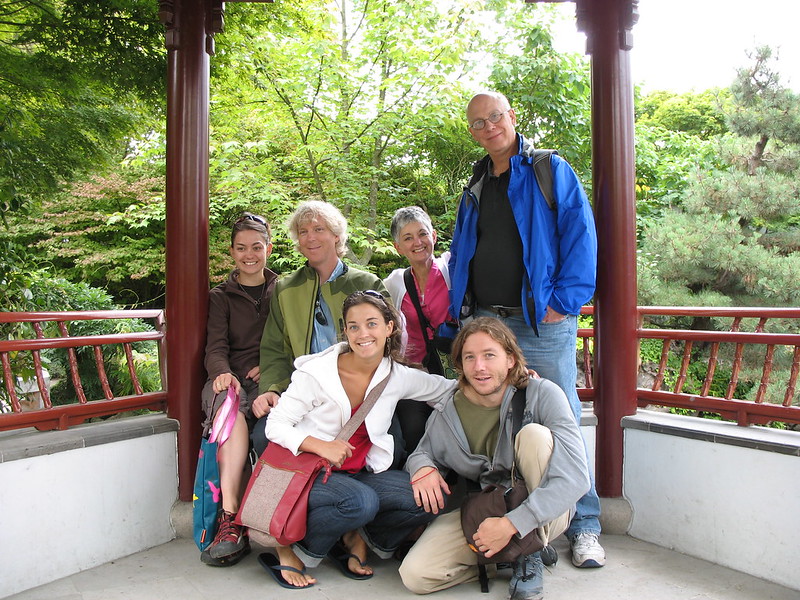
3. Physical Requirements for Children
Gorilla trekking involves moderate to challenging hiking, depending on the park and trail. Children should be able to:
-
Walk long distances (2–8 hours) on uneven terrain
-
Navigate steep slopes, mud, and forest obstacles
-
Maintain stamina and patience during the trek
Families should assess fitness levels before planning a child-inclusive trek.
4. Terrain and Trekking Conditions
4.1 Uganda
-
Bwindi Impenetrable Forest: Dense vegetation, steep inclines
-
Mgahinga National Park: Shorter, gentler trails suitable for families
4.2 Rwanda
-
Volcanoes National Park: Volcanic slopes, bamboo forests, moderate difficulty
4.3 DR Congo
-
Virunga National Park: Rugged and remote terrain; more suitable for experienced trekkers
Selecting a family-friendly park ensures children can enjoy the experience safely.
5. Safety Considerations for Children
5.1 Health Precautions
-
Vaccinations: Yellow fever, routine immunizations
-
Wash hands before trekking to prevent disease transmission to gorillas
-
Keep children hydrated and well-fed
5.2 Physical Safety
-
Wear sturdy hiking boots
-
Use walking sticks for balance
-
Dress in long sleeves, pants, and gloves for protection
5.3 Gorilla Interaction
-
Children must maintain a minimum 7-meter distance from gorillas
-
Avoid sudden movements, loud noises, and touching animals
Guides from Monumental Expeditions and Safaris ensure children follow these rules safely.
6. Preparing Children for the Trek
6.1 Mental Preparation
-
Explain what gorillas are like and how to behave
-
Teach children to stay quiet and follow instructions
-
Discuss possible challenges like long walks and muddy trails
6.2 Physical Preparation
-
Short hikes or nature walks leading up to the trek
-
Strength and stamina exercises suitable for children
-
Encourage healthy eating and hydration before trekking
Preparation improves safety, confidence, and enjoyment.
7. Benefits of Gorilla Trekking for Children
-
Wildlife Education: Learn about gorilla behavior, ecology, and conservation
-
Outdoor Activity: Physical exercise in a natural setting
-
Cultural Exposure: Experience African parks, local guides, and communities
-
Conservation Awareness: Understand the importance of protecting endangered species
Gorilla trekking fosters responsible wildlife stewardship from a young age.
8. Family-Friendly Trekking Tips
8.1 Choose Shorter Treks
-
Some gorilla families are closer to park entrances
-
Select half-day or shorter treks for younger participants
8.2 Travel with Experienced Guides
-
Guides monitor pace, safety, and behavior
-
They ensure children understand and follow gorilla etiquette
8.3 Use Appropriate Gear
-
Comfortable, lightweight clothing
-
Trekking poles for children’s balance
-
Snacks and water for energy
8.4 Consider Private Treks
-
Fewer people, flexible pace, and more attention to children
-
Available through operators like Monumental Expeditions and Safaris.
9. Health and Ethical Considerations
-
Children must avoid direct contact with gorillas to prevent disease transmission
-
Maintaining the minimum distance protects both gorillas and young trekkers
-
Teach children the importance of respecting wildlife and following park rules
Ethical trekking ensures a safe and educational experience.
10. Alternatives for Younger Children
If your child is below the minimum age or trekking is too challenging:
-
Gorilla Habituation Centers: Observe gorillas from safe distances
-
Forest Walks: Explore nature trails and learn about flora and fauna
-
Cultural Tours: Visit local villages and learn about conservation projects
These alternatives offer family-friendly wildlife experiences without strenuous trekking.
11. Choosing the Right Operator
-
Book with experienced providers like GorillaTrackings.com
-
They offer child-friendly itineraries, safety guidance, and permit assistance
-
Operators ensure both adults and children have enjoyable and secure trekking experiences
12. Preparing for the Unexpected
-
Carry a first aid kit and medications for children
-
Plan for weather changes, fatigue, and minor injuries
-
Maintain constant communication with guides during the trek
Being prepared ensures a safe and stress-free family adventure.
13. Conservation and Family Involvement
-
Trekking permits contribute to gorilla conservation and local communities
-
Children learn responsible tourism and the importance of protecting endangered species
-
Participation fosters early conservation awareness
14. Conclusion
So, can children trek to see gorillas?
-
Yes, but with certain restrictions: minimum age (usually 15 years), proper fitness, and adherence to safety rules
-
Parents should prepare children physically and mentally for the trek
-
Family-friendly parks and experienced guides ensure a safe, ethical, and unforgettable wildlife experience
Gorilla trekking offers children a unique opportunity to witness wildlife, learn conservation, and enjoy an extraordinary adventure.
Plan your family gorilla trekking safari with Monumental Expeditions and Safaris for a safe and memorable experience.
Related Posts