Uganda Gorilla Safari from Dubai Travelers from the United Arab Emirates are increasingly discovering Uganda…
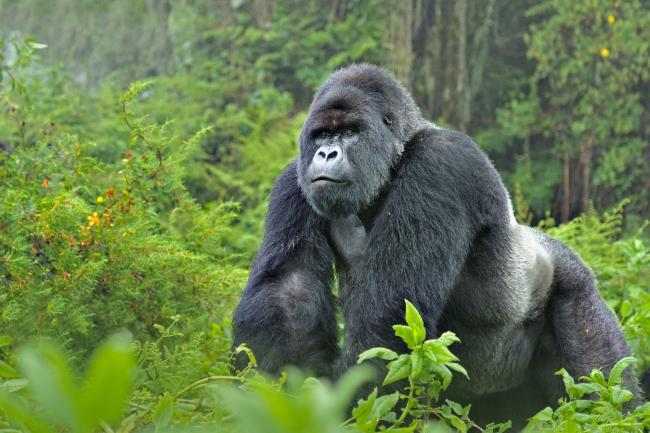
Best Time for gorilla trekking in Uganda.
Best Time for Gorilla Trekking in Uganda
If you’ve ever dreamed of coming face-to-face with the magnificent mountain gorillas in the misty jungles of Uganda or Rwanda, timing your trip right can make all the difference. The experience of gorilla trekking in Africa is one of the most awe-inspiring adventures on the planet — and while you can track gorillas throughout the year, certain months offer more comfortable and rewarding conditions.
In this guide, we explore the best time to go gorilla trekking in Uganda, explain the country’s weather patterns, and offer practical advice on how to make the most of your African safari adventure.
Where to See Mountain Gorillas in Uganda
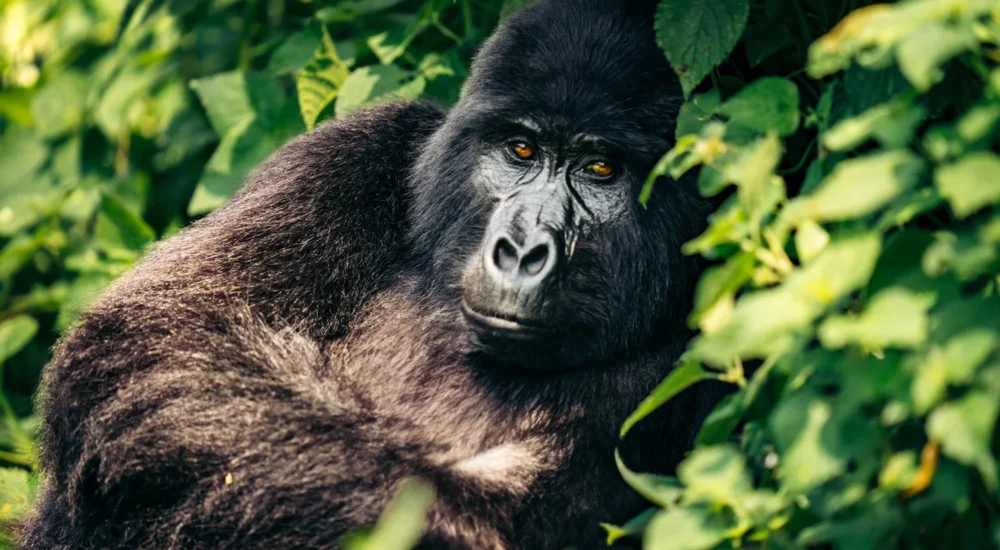
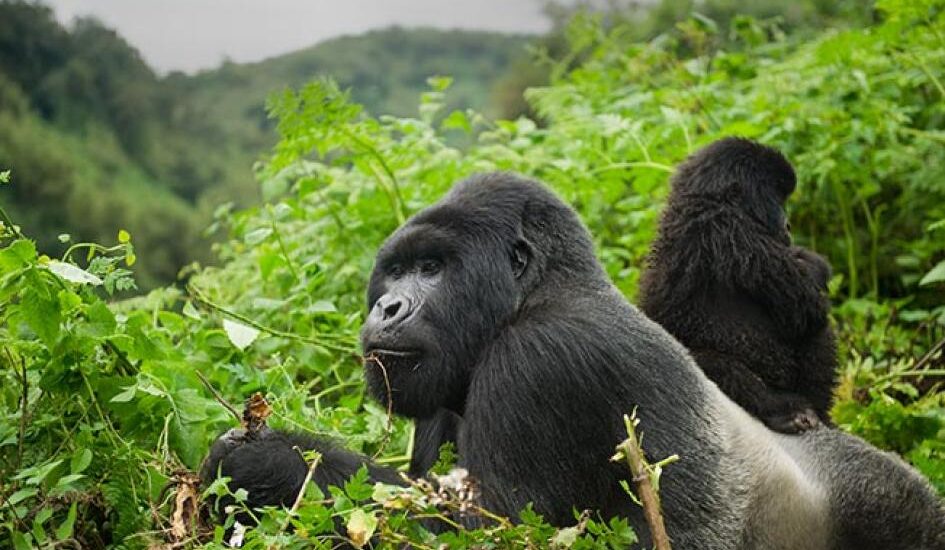
Uganda is one of the only three countries in the world where you can encounter wild mountain gorillas, the other two being Rwanda and the Democratic Republic of Congo. The two main trekking destinations in Uganda are:
-
Bwindi Impenetrable National Park – A UNESCO World Heritage Site and home to nearly half of the world’s remaining mountain gorillas. Bwindi’s dense rainforest provides an unforgettable setting for close-up encounters with these gentle giants.
-
Mgahinga Gorilla National Park – Located in the scenic Virunga Mountains, this smaller park also offers incredible gorilla trekking opportunities and a chance to experience Uganda’s only golden monkey tracking.
Both parks are managed by the Uganda Wildlife Authority (UWA) and require visitors to purchase a gorilla trekking permit before entry.
Understanding Uganda’s Climate and Seasons
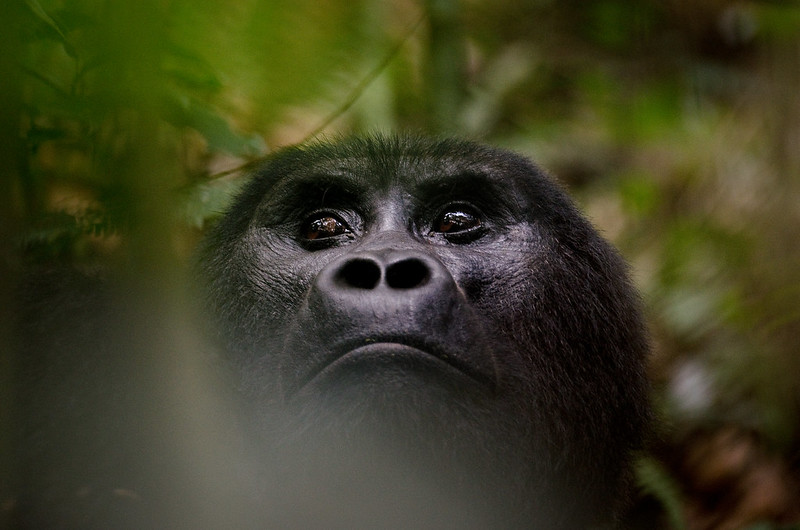
Uganda’s location along the Equator means the country enjoys a tropical climate with mild temperatures throughout the year. However, there are two main rainy seasons that influence trekking conditions:
-
Long rainy season: March to May
-
Short rainy season: October to November
The dry seasons typically occur from June to September and December to February, offering the most favorable weather for gorilla trekking.
Even during the “dry” months, Bwindi Impenetrable Forest remains a tropical rainforest, meaning showers can happen at any time. Visitors should always come prepared with rain gear, sturdy hiking boots, and layered clothing for chilly mornings and evenings.
Best Time to Visit for Gorilla Trekking
1. Peak Season: June – September & December – February
The dry seasons are widely considered the best time for gorilla trekking in Uganda. During these months, trails are less muddy and easier to hike, making the journey through Bwindi or Mgahinga more enjoyable.
Because vegetation is thinner, trekkers also get clearer views and better photography opportunities. These months attract the highest number of visitors, so it’s advisable to book your gorilla permit well in advance.
-
Uganda gorilla permit cost: USD $800 per person (as of 2025)
-
Rwanda gorilla permit cost: USD $1,500 per person
If you’re looking for a balance between comfort and adventure, this is the perfect time to go. The drier conditions make access roads more manageable, especially if you’re not traveling in a 4×4 vehicle.
2. Low Season: March – May & October – November
The rainy seasons can make trekking more challenging due to muddy, slippery trails and occasional road inaccessibility. However, they also come with unique rewards. The forests are lush and vibrant, the air is crisp and fresh, and there are fewer tourists on the trails.
Some travelers prefer this time for a more intimate experience with nature and better chances of discounted accommodation rates. Photographers, in particular, love the misty atmosphere that makes Bwindi’s ancient forest look otherworldly.
While the rain can make things tricky, gorilla families remain in the same area year-round, meaning your chances of a successful trek remain very high.
Weather and Temperature in Bwindi Impenetrable Forest
Despite being located along the equator, Bwindi’s high altitude keeps temperatures relatively cool. Daytime temperatures average between 20–25°C (68–77°F), while mornings and evenings can drop to around 10°C (50°F).
It’s common for trekkers to start the day in chilly conditions, only to feel warmer as the hike progresses. Dressing in layers is essential for comfort. Even during the drier months, occasional rain showers are part of the Bwindi experience — they’re what make the forest so lush and full of life.
Why the Dry Season Is Recommended
-
Easier hiking conditions: Trails are less slippery and easier to navigate.
-
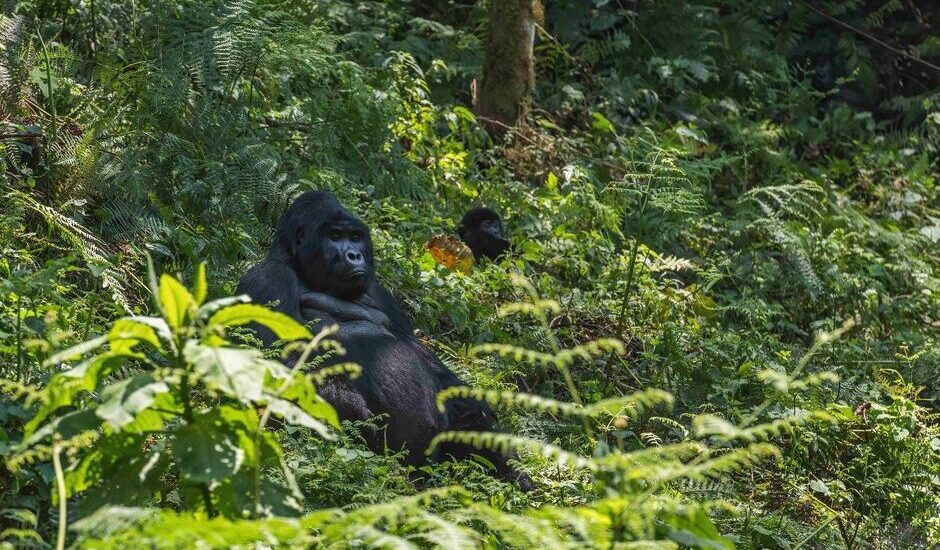
Better visibility: Sparse foliage offers clearer sightings of gorillas.
-
Comfortable travel: Roads leading to Bwindi and Mgahinga are more accessible.
-
Perfect for photography: Natural light and dry air enhance image clarity.
-
Higher success rates: Rangers can more easily track gorilla movements.
However, even during dry months, it’s important to remember that rainfall is never completely predictable in the tropics. Always pack a light rain jacket and waterproof cover for your gear.
Tips for Planning Your Gorilla Trek in Uganda
-
Book permits early: Gorilla trekking permits are limited to protect the gorillas and often sell out months in advance. Reserve through a licensed tour operator such as Monumental Expeditions and Safaris.
-
Prepare physically: Gorilla trekking can take anywhere from 2 to 8 hours, depending on the location of the gorilla family. Light exercise before your trip helps improve stamina.
-
Pack essentials: Hiking boots, gloves, long-sleeved shirts, insect repellent, and reusable water bottles are a must.
-
Use a local guide: Knowledgeable guides and porters make your experience safer and more rewarding.
-
Respect the gorillas: Maintain a 7-meter distance, avoid flash photography, and follow park rules to minimize stress on the animals.
Uganda vs. Rwanda: Which Is Better for Gorilla Trekking?
Both Uganda and Rwanda offer exceptional gorilla trekking experiences, but they differ in cost and terrain.
-
Uganda – Offers a more authentic jungle experience at a lower permit price. Bwindi’s terrain is rugged and wild, perfect for adventure seekers.
-
Rwanda – Provides a more luxurious experience with easier access to Volcanoes National Park, but at a higher permit cost.
For travelers seeking a budget-friendly yet immersive experience, Uganda remains the top choice.
Final Thoughts: When Should You Go Gorilla Trekking in Uganda?
While gorilla trekking in Uganda is possible all year round, the dry months (June–September and December–February) provide the most favorable conditions. These periods offer better hiking trails, clearer views, and comfortable weather, making them the best time to visit Bwindi or Mgahinga.
However, for those seeking solitude, lush scenery, and the occasional discount, the rainy season offers a magical alternative.
No matter when you go, standing just meters away from a family of mountain gorillas in the heart of Bwindi Impenetrable National Park is an experience that will stay with you forever.
For expert guidance, permit bookings, and tailor-made itineraries, contact Monumental Expeditions and Safaris — your trusted partner in creating unforgettable Uganda gorilla trekking adventures.
Related Posts