
Wildlife Safaris from UAE Africa has long been one of the most exciting wildlife destinations…
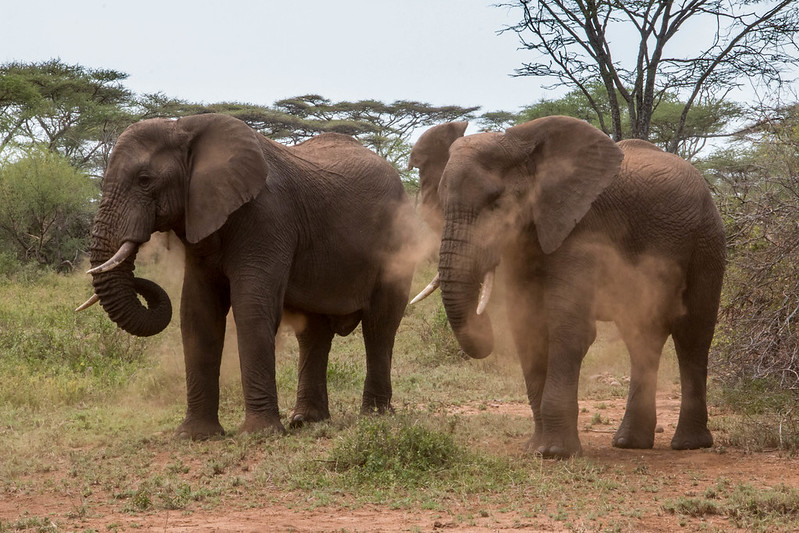
Africa’s Decreasing Elephant Population
Africa’s Declining Elephant Population:
The African elephant is one of the most iconic symbols of Africa’s rich wildlife. Renowned for their intelligence, social complexity, and sheer size, these majestic creatures are a highlight for anyone embarking on an African safari. Yet, despite their prominence, Africa’s elephants are under severe threat, and their long-term survival is uncertain.
As the largest online marketplace for African safaris, we have a vested interest in understanding and preserving these incredible animals. In this article, we explore the state of Africa’s elephant population, offering a country-by-country analysis, examining the factors driving their decline, and highlighting the urgent need for effective conservation strategies.
African Elephants: An Overview
African elephants are the largest land mammals on Earth, with two distinct species: the savannah elephant (Loxodonta africana) and the forest elephant (Loxodonta cyclotis). They are keystone species, meaning their activities shape entire ecosystems—from dispersing seeds to creating water sources that other animals rely on.
The African elephant population has fluctuated dramatically over the last few decades. Between 1995 and 2007, overall numbers increased in many key safari destinations due to improved conservation efforts, but since 2007, poaching and habitat loss have accelerated a worrying decline.
Key Statistics: Elephant Population Trends in Africa
Data collected from the Great Elephant Census, the World Wildlife Fund (WWF), and other wildlife organizations reveal significant country-level differences in elephant populations. These trends provide insights into where conservation efforts are succeeding—and where they are failing.
-
1995–2007 Growth: Across ten major safari nations, elephant numbers rose by 62%, from under 300,000 to 485,000 individuals. Countries like Botswana and Tanzania experienced dramatic increases, while Zambia and Malawi saw declines.
-
Country-specific Increases:
-
Tanzania: +59%, totaling 136,753 elephants
-
Botswana: +116%, totaling 154,658 elephants
-
Mozambique: from 825 elephants in 1992 to 16,475 post-civil war
-
South Africa & Namibia: nearly doubled populations
-
-
Recent Declines: Post-2007, poaching surged, leading to alarming reductions in elephant numbers in countries like Tanzania, Mozambique, and Zimbabwe.
These figures emphasize the delicate balance between successful wildlife management and the persistent threat posed by illegal activities.
The Primary Threat: Poaching
The most significant factor contributing to the decline of Africa’s elephants is poaching. Elephant tusks are highly valued for their ivory, which is in demand primarily in Asian markets such as China and Vietnam.
According to the World Wildlife Fund, “There has been an upsurge in poaching and illegal ivory trafficking in recent years, driven by increasing demand in Asia.” Despite recent policy changes—such as China’s 2017 ban on the domestic ivory trade—illegal poaching remains a critical threat.
The Convention on International Trade in Endangered Species of Wild Fauna and Flora (CITES) has repeatedly identified poaching as the main driver of elephant population declines. In 2015, CITES noted that Africa-wide elephant populations continued to decrease, underscoring the urgent need for enhanced conservation measures.
Country-Specific Factors Affecting Elephant Conservation
While poaching is the overarching threat, the intensity and impact vary widely between nations. Several key factors influence elephant survival rates in different countries:
1. Anti-Poaching Capabilities
The effectiveness of rangers and anti-poaching units directly impacts elephant survival. Well-trained, equipped, and motivated personnel are better able to deter poachers. Countries with weaker law enforcement or insufficient training struggle to protect their herds.
2. Border Vulnerability
Some nations have extensive, porous borders, making it easier for poachers to infiltrate protected areas. For example:
-
South Africa: Kruger National Park borders Mozambique and remains highly susceptible despite robust law enforcement.
-
Tanzania: Vast, unsecured frontiers make anti-poaching enforcement challenging.
3. Corruption
Illegal ivory trade offers enormous financial incentives. Corruption among local authorities or park officials can undermine anti-poaching efforts, even in nations with otherwise strong conservation frameworks.
4. Economic Strength
Wealthier nations can invest more in conservation infrastructure, wildlife tourism, and community programs that incentivize local populations to protect elephants. Conversely, in economically disadvantaged countries, limited resources hinder effective conservation, leading to higher poaching rates.
5. Political Will
Government commitment to wildlife conservation is crucial. Countries that prioritize elephant protection, establish anti-poaching policies, and support habitat preservation tend to see more stable or growing populations. International collaborations, such as the Peace Parks Foundation, succeed only when supported by local political authorities.
Country-by-Country Elephant Population Insights
Here is a snapshot of the current trends in key African countries known for their safari tourism and elephant populations:
1. Tanzania
-
Home to some of Africa’s largest elephant populations.
-
Experienced a 59% growth in elephants pre-2007.
-
Post-2007, poaching surged due to high ivory demand, causing the largest absolute population losses.
-
Key conservation areas: Serengeti National Park and Selous Game Reserve.
2. Botswana
-
Notable for strong population recovery: 116% increase pre-2007.
-
Poaching pressure remains moderate due to strong anti-poaching policies and economic incentives from tourism.
-
Protected areas: Chobe National Park and the Okavango Delta.
3. Mozambique
-
Civil war (pre-1992) decimated elephant numbers.
-
Peace and post-war restoration allowed populations to rebound.
-
Still vulnerable to poaching due to border challenges and economic constraints.
-
Key areas: Gorongosa National Park
4. South Africa
-
Strong law enforcement and tourism revenue have helped elephant numbers almost double.
-
Kruger National Park remains under threat due to porous borders.
5. Zimbabwe
-
Experienced population growth due to improved park management.
-
Poaching continues, influenced by economic pressures and political instability.
6. Zambia & Malawi
-
Saw declines despite conservation efforts.
-
Challenges include inadequate funding, political instability, and local human-wildlife conflict.
7. Kenya & Uganda
-
Steady growth thanks to tourism and community-based conservation.
-
Elephants are well-protected in parks such as Amboseli National Park and Queen Elizabeth National Park.
Human-Elephant Conflict and Habitat Loss
While poaching is the most immediate threat, habitat loss and human-elephant conflict also play significant roles in elephant population decline. As African human populations expand, elephants lose access to critical grazing land and migration corridors.
Encroachment into farmland often results in conflicts where elephants are killed to protect crops. Innovative solutions like elephant corridors and community conservancies have proven effective in mitigating these conflicts while promoting local economic benefits.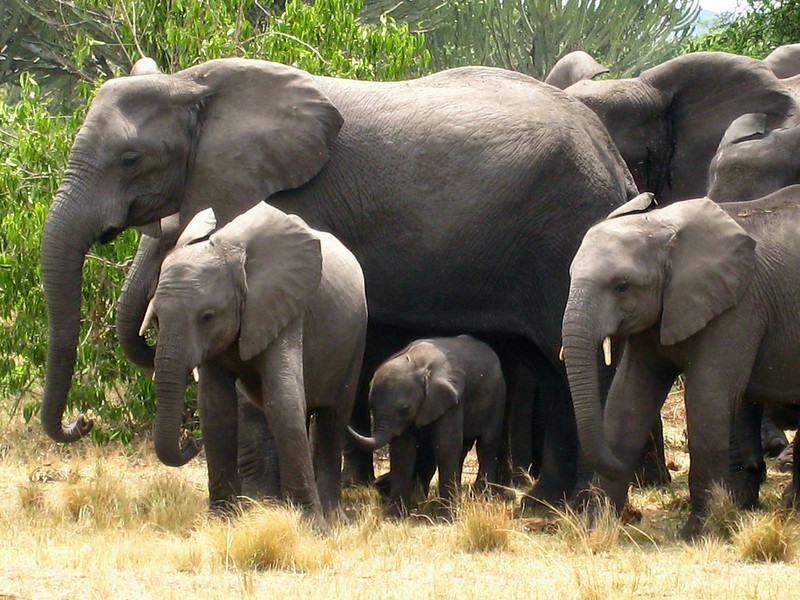
Global Conservation Efforts
International organizations, NGOs, and governments are working tirelessly to combat elephant decline:
-
World Wildlife Fund (WWF): Implements anti-poaching operations and habitat restoration.
-
CITES: Regulates international ivory trade.
-
Peace Parks Foundation: Supports transboundary conservation projects, contingent on local government cooperation.
-
Great Elephant Census: Provides accurate, up-to-date population data to guide policy decisions.
Community engagement is crucial. Programs that link tourism revenue to local livelihoods encourage communities to protect rather than poach elephants. This model has been particularly effective in East and Southern Africa.
The Future of Africa’s Elephants
Africa’s elephants face a precarious future. Estimates suggest that savannah elephant populations are declining by around 8% per year due to poaching and habitat loss. Without swift, country-specific intervention, the decline could become irreversible.
To safeguard Africa’s elephants, a multi-pronged approach is necessary:
-
Strengthening anti-poaching units with training, equipment, and funding.
-
Improving border security in high-risk areas.
-
Combating corruption within wildlife management and law enforcement.
-
Enhancing community-based conservation initiatives.
-
Maintaining political will and international cooperation to fund and support elephant protection.
Every African nation has unique challenges, meaning a one-size-fits-all conservation strategy will not work. Customized, data-driven policies tailored to each country’s ecology, economy, and political context are essential.
Conclusion
The African elephant is more than a safari icon—it is a vital part of the continent’s ecosystems. Despite temporary population gains in the early 2000s, the overall trend is alarming: poaching, fueled by ivory demand, remains the primary threat, compounded by habitat loss and human-elephant conflicts.
By examining elephant populations country by country, we can understand the factors influencing their survival and implement targeted conservation strategies. Only with sustained political will, economic investment, community involvement, and international support can we hope to secure a future for Africa’s elephants.
For those planning a safari, choosing responsible wildlife tours and supporting conservation-focused operators can make a meaningful impact. Learn more about how you can help protect Africa’s elephants through organizations like WWF and The Great Elephant Census.
Africa’s elephants are in peril, but with focused, informed action, their legacy can endure for generations to come.
Related Posts
African Safari River Adventures and Boat Safaris African safaris are often associated with thrilling…
Tanzania Wildlife Safaris Africa is home to some of the most spectacular wildlife destinations on…