
Private African Safaris: Exclusive Wildlife Experiences for USA Clients For discerning travelers from the United…
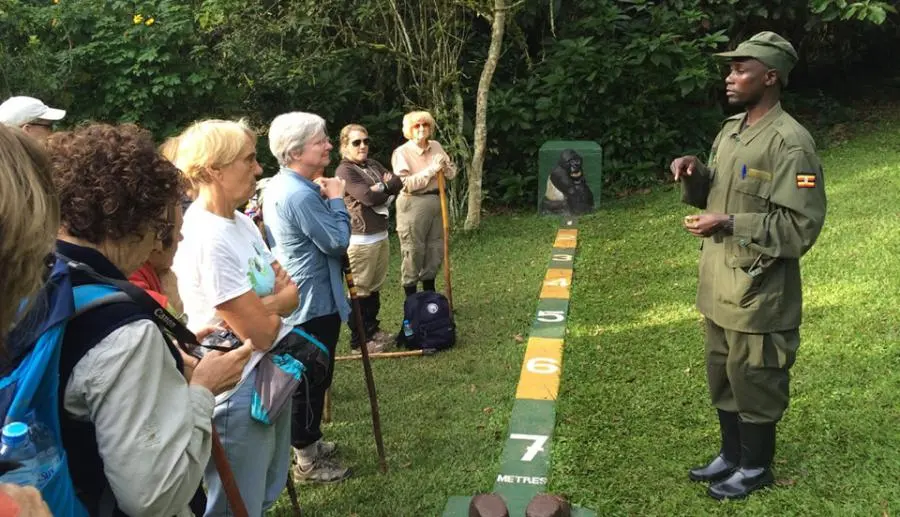
African Safari Etiquette for Tourists
African Safari Etiquette for Tourists
An African safari is one of the most breathtaking travel experiences on earth. From witnessing the Big Five in open savannahs to trekking endangered gorillas in misty rainforests, safaris offer extraordinary encounters with wildlife and local cultures. However, to preserve Africa’s delicate ecosystems and respect local communities, travelers must follow proper African safari etiquette for tourists.
Safari etiquette is not simply about following rules; it enhances safety, protects wildlife, supports conservation, and ensures respectful interactions with local communities. In 2026, with growing tourism numbers across Africa, responsible travel practices have become more important than ever.
Professional operators like Monumental Expeditions and Safaris guide travelers on ethical and respectful safari practices, ensuring unforgettable yet sustainable wildlife experiences.
This guide explains essential safari etiquette rules, wildlife viewing manners, cultural respect guidelines, and responsible travel tips every safari visitor should know.
Why Safari Etiquette Matters
Following proper responsible safari travel etiquette helps protect Africa’s biodiversity and cultural heritage. Tourism plays a vital role in wildlife conservation and community development, but irresponsible behavior can negatively impact ecosystems and local livelihoods.
Safari etiquette benefits everyone by:
-
Protecting wildlife from human disturbance
-
Supporting conservation programs
-
Promoting respectful cultural exchanges
-
Enhancing traveler safety
-
Improving overall safari experiences
Travelers who respect safari etiquette contribute directly to Africa’s sustainable tourism future.
Wildlife Viewing Etiquette in Africa
One of the most exciting aspects of safaris is observing wild animals in their natural habitats. Practicing proper wildlife viewing etiquette Africa ensures animals remain safe and undisturbed.
Maintain a Safe and Respectful Distance
Approaching animals too closely can stress wildlife and cause unpredictable reactions. Always follow your guide’s instructions regarding safe viewing distances. Professional safari guides understand animal behavior and positioning for safe encounters.
Stay Quiet During Wildlife Sightings
Loud noises can frighten animals and disrupt their natural routines. Speaking softly and avoiding sudden movements improves wildlife viewing opportunities and ensures safe encounters.
Silence also increases chances of witnessing rare animal behaviors such as hunting or mating rituals.
Avoid Feeding Wild Animals
Feeding wildlife changes their natural feeding habits and may encourage dangerous interactions with humans. Feeding animals is strictly prohibited in most national parks and reserves.
Following this rule is one of the most critical safari etiquette rules.
Vehicle Etiquette During Game Drives
Game drives are the most popular safari activity. Proper vehicle behavior ensures safety and respectful wildlife observation.
Remain Inside Safari Vehicles
Unless instructed by your guide, never step out of safari vehicles in wildlife areas. Many predators and large herbivores roam freely within parks, making it unsafe to walk around.
Follow Guide Instructions
Safari guides are trained professionals who understand terrain conditions, animal behavior, and park regulations. Listening carefully to their instructions enhances both safety and wildlife viewing experiences.
Share Viewing Space with Other Vehicles
During popular sightings, multiple safari vehicles may gather. Good etiquette includes:
-
Allowing each vehicle equal viewing time
-
Avoiding blocking other vehicles
-
Remaining patient during crowded wildlife sightings
Sharing space respectfully enhances everyone’s safari experience.
Photography Etiquette on African Safaris
Photography is an essential part of safari travel, but responsible photography is crucial for safari travel manners 2026.
Avoid Flash Photography
Flash can disturb animals, especially nocturnal species. Always disable flash when photographing wildlife.
Respect Personal Space of Animals
Never attempt to provoke animals to get better photos. Patience often results in natural and authentic wildlife photography opportunities.
Respect Local Community Photography Rules
When visiting villages or cultural sites, always request permission before photographing people. Many communities value privacy and cultural respect.
Cultural Etiquette During African Safaris
Safaris often include cultural experiences such as village visits, traditional performances, and craft markets. Understanding cultural etiquette during African safaris fosters meaningful and respectful interactions.
Dress Modestly
While safari clothing is typically casual and comfortable, modest dressing is recommended during community visits. Avoid overly revealing clothing when visiting local villages or towns.
Learn Basic Local Greetings
Greeting people respectfully is highly valued across Africa. Learning simple local phrases demonstrates appreciation and builds positive connections with communities.
Support Local Businesses Responsibly
Purchasing handmade crafts and supporting local artisans contributes directly to community development. Avoid bargaining aggressively, as it may undervalue local craftsmanship.
Gorilla Trekking Etiquette
Gorilla trekking is among Africa’s most extraordinary wildlife experiences. Because gorillas share close genetic similarities with humans, strict gorilla trekking etiquette protects both species.
Maintain Safe Distance from Gorillas
Visitors must maintain a recommended distance from gorillas to prevent disease transmission and behavioral stress.
Limit Viewing Time
Gorilla trekking visits typically allow one hour with gorilla families. Respecting time limits reduces human impact on these endangered primates.
Follow Health Guidelines
Visitors showing flu or cold symptoms may be restricted from trekking to protect gorillas from contagious illnesses.
Experience responsible and professionally guided gorilla trekking adventures, here.
Environmental Etiquette and Conservation Responsibility
Safaris rely heavily on conservation success. Following environmental etiquette ensures wildlife habitats remain protected.
Avoid Littering in Wildlife Areas
Carry reusable water bottles and dispose of waste properly. Plastic pollution poses significant threats to wildlife and ecosystems.
Stay on Designated Safari Routes
Driving off established tracks damages vegetation and disrupts animal habitats. Always follow designated park routes.
Support Eco-Friendly Safari Operators
Choosing environmentally responsible safari companies contributes to wildlife conservation and sustainable tourism.
Lodge and Camp Etiquette
Safari lodges and camps provide comfortable accommodations within wildlife environments. Respecting lodge etiquette ensures safety and enjoyable stays.
Follow Lodge Safety Instructions
Wild animals may roam near lodges, especially at night. Always request staff escorts when moving around camps after dark.
Respect Other Guests’ Experiences
Many travelers seek peaceful nature experiences. Avoid excessive noise during early morning or evening hours when wildlife activity peaks.
Respect Camp Staff and Local Workers
Safari hospitality staff play essential roles in guest experiences. Showing appreciation and politeness reflects positive travel etiquette.
Group Safari Etiquette
Many travelers participate in shared safari tours. Practicing good group etiquette enhances the experience for everyone.
Be Punctual for Activities
Game drives and excursions follow strict schedules to maximize wildlife viewing opportunities. Being punctual ensures group activities run smoothly.
Share Wildlife Viewing Opportunities
Allow fellow travelers fair viewing access, especially during popular animal sightings.
Communicate Respectfully
Group safaris bring travelers from diverse backgrounds together. Maintaining respectful communication ensures enjoyable shared experiences.
Safety Etiquette for Walking Safaris
Walking safaris offer immersive wildlife experiences but require strict safety etiquette.
Walk Quietly and Follow Single File
Guides often instruct visitors to walk in single file to minimize noise and maintain safety in wildlife habitats.
Avoid Strong Perfumes or Bright Colors
Strong scents and bright clothing may alert animals. Neutral safari clothing helps travelers blend into natural environments.
Technology and Social Media Etiquette on Safaris
Modern safaris increasingly involve digital documentation and social media sharing. Practicing ethical technology use is part of African safari etiquette for tourists.
Avoid Disturbing Wildlife for Social Media Content
Respect wildlife boundaries rather than seeking dramatic or risky photos for online content.
Respect Privacy of Fellow Travelers
Always request permission before posting photos or videos featuring other travelers or community members.
Food and Dining Etiquette During Safaris
Dining experiences at safari lodges often include communal meals and cultural dining traditions.
Respect Local Cuisine
Trying local dishes demonstrates cultural appreciation and enhances travel experiences.
Follow Dining Schedules
Safari lodges operate on fixed schedules aligned with wildlife activity times. Arriving promptly ensures smooth service for all guests.
Common Safari Etiquette Mistakes to Avoid
First-time safari travelers sometimes unintentionally overlook basic etiquette. Avoid these mistakes to improve your safari experience:
-
Ignoring guide instructions during wildlife encounters
-
Speaking loudly during animal sightings
-
Attempting to approach or touch animals
-
Taking photos of local communities without permission
-
Littering or damaging natural habitats
Avoiding these mistakes promotes ethical and safe safari tourism.
How Responsible Safari Etiquette Supports Conservation
Tourism revenue supports wildlife conservation, anti-poaching programs, and community development initiatives across Africa. Travelers who follow proper responsible safari travel etiquette help sustain these programs.
Responsible tourism ensures endangered species survival and supports local economies, making safari etiquette essential for long-term sustainability.
Preparing for Ethical Safari Travel in 2026
Safari travelers should prepare by researching destination guidelines, understanding wildlife regulations, and choosing reputable safari operators. Preparation ensures visitors fully enjoy safari adventures while respecting wildlife and local cultures.
Travelers who follow African safari etiquette for tourists experience deeper cultural connections, better wildlife encounters, and safer travel experiences.
Final Thoughts: Respecting Africa’s Wildlife and Cultures
African safaris offer unparalleled opportunities to explore nature’s wonders and experience vibrant local cultures. Practicing proper safari etiquette enhances these experiences while protecting Africa’s precious ecosystems and traditions.
By respecting wildlife, supporting local communities, and following ethical travel practices, safari travelers contribute positively to Africa’s tourism future. Responsible travelers create unforgettable journeys while preserving the continent’s natural beauty for generations to come.
Plan your trip, here.
Related Posts