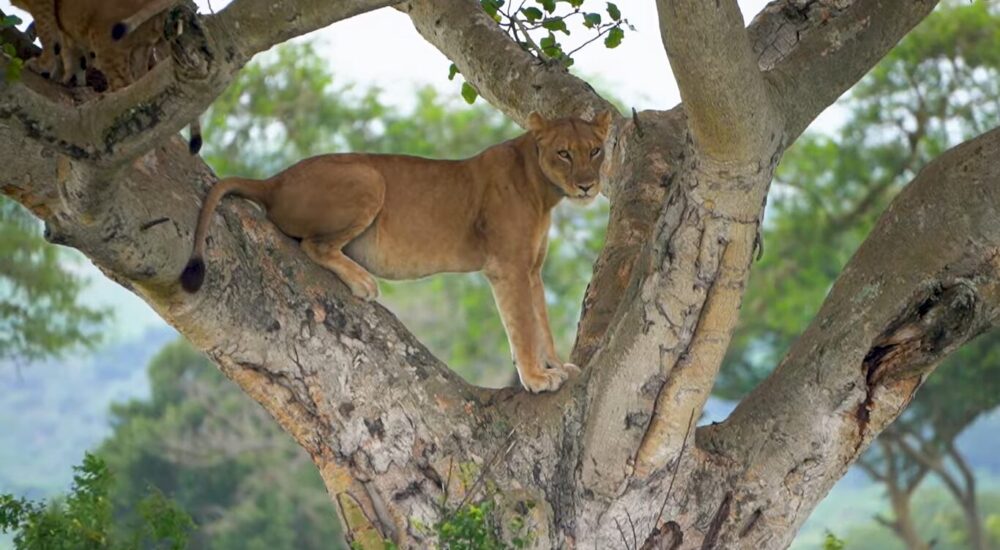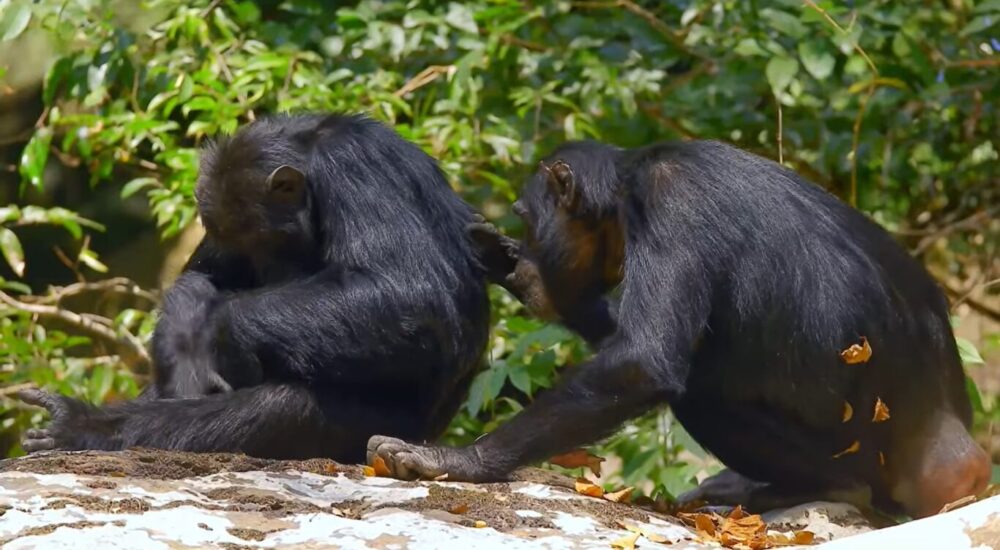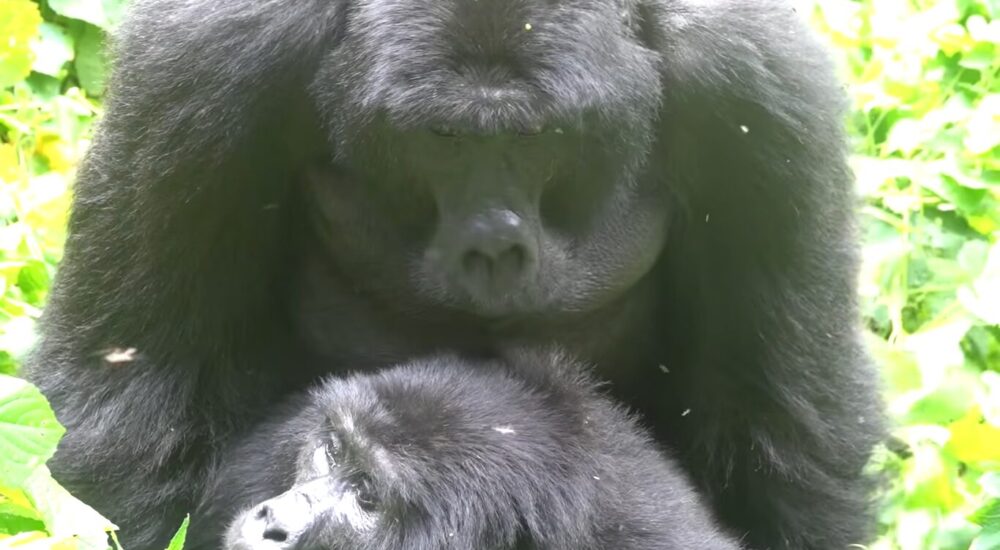
The Tree Climbing Lions of Masai Mara: Nature’s Majestic Climbers The Masai Mara National Reserve…
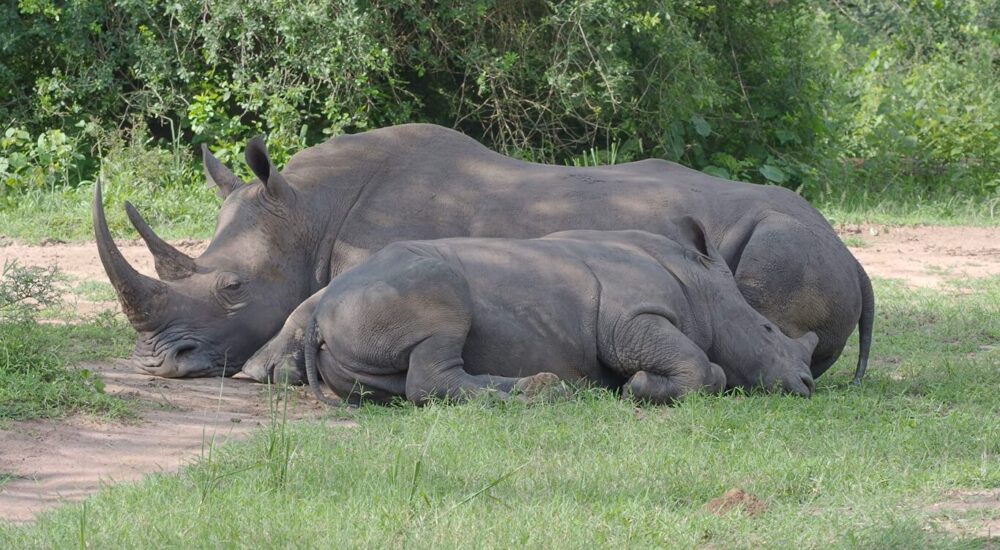
African Parks Rewilds 2,000 White Rhinos in Historic Conservation Move
African Parks Rewilds 2,000 White Rhinos in Historic Conservation Move
In a groundbreaking move hailed as one of the most ambitious wildlife projects in history, rhino conservation in Africa, African Parks has begun the rewilding of 2,000 white rhinos across protected areas in Africa. This bold initiative signals hope for a species that has faced near extinction due to poaching, habitat loss, and human conflict.
The Urgent Need for Rhino Conservation
Rhinos are one of the most iconic animals in Africa, but their populations have been devastated over the past century.
- Early 1900s: Fewer than 50 southern white rhinos remained
- 2023: ~16,000 white rhinos globally (still Near Threatened)
- Black rhinos: Critically Endangered, ~5,000 remaining
Despite international bans and awareness campaigns, poaching for rhino horn continues to be a critical threat.
Who Are African Parks?
African Parks is a non-profit conservation organization that manages protected areas in partnership with governments and local communities.
- Manages 22 national parks across 12 countries
- Covers over 20 million hectares of protected land
- Focuses on sustainable conservation, community development, and law enforcement
The Historic Rewilding of 2,000 White Rhinos
In 2023, African Parks acquired the Platinum Rhino Project, the world’s largest captive rhino breeding facility. Rather than selling the rhinos to private buyers, African Parks stepped in to rewild them into protected areas.
This marks the largest single rhino rewilding project in history.
What Rewilding Involves
- Translocating rhinos to wild, protected ecosystems
- Selecting habitats with proper food, water, and protection
- Ensuring genetic diversity and natural behavior
- Implementing anti-poaching units and monitoring
Why This Move Matters
1. Restoring Ecosystems
White rhinos are mega-grazers and help maintain grassland health, spread seeds, and balance the ecosystem.
2. Preventing Genetic Bottlenecks
Spreading rhinos across multiple locations ensures stronger, healthier populations over time.
3. Ethical Wildlife Management
This project moves away from the model of farming rhinos for horn harvesting and promotes a true return to the wild.
Where Are the Rhinos Being Rewilded?
While not all release sites are public (for security), here are some confirmed or likely locations:
- Akagera National Park – Rwanda
- Liwonde and Majete Reserves – Malawi
- Zakouma National Park – Chad
- Garamba National Park – DRC
- Kafue National Park – Zambia
Challenges of Rewilding Rhinos
- Logistics: Rhinos require sedation, specialized transport, and medical care during translocation.
- Security: Poaching remains a threat, even in protected zones.
- Habitat readiness: Parks must be prepared with food, water, and territory space.
- Behavioral adaptation: Captive-born rhinos may need help adjusting to wild conditions.
Community Involvement and Anti-Poaching
African Parks involves local communities to ensure sustainable protection:
- Employing local rangers and conservation staff
- Creating education programs and eco-tourism jobs
- Revenue-sharing models that benefit people living near parks
How You Can Help
- Donate: Support African Parks’ mission and projects
- Visit: Eco-tourism in rewilded parks helps fund protection
- Raise Awareness: Share this initiative with others
- Educate Yourself: Understand the rhino crisis and conservation strategies
Final Thoughts: A New Era in Wildlife Conservation
The rewilding of 2,000 white rhinos is a beacon of hope in a world where extinction stories often dominate. It’s a reminder that with bold action, global support, and science-based conservation, we can turn the tide for endangered species.
This is not just about rhinos—it’s about restoring balance to Africa’s ecosystems and giving future generations a chance to witness these majestic animals in the wild where they belong.
Related Posts