Murchison Falls National Park – Safari Overview Murchison Falls National Park, located in northwestern Uganda,…
How Hard Is Rwenzori Trekking? Difficulty & Fitness
How Hard Is Rwenzori Trekking? Difficulty & Fitness Guide for Climbers
The Rwenzori Mountains, famously known as the “Mountains of the Moon,” are one of Africa’s most dramatic and challenging trekking destinations. Straddling the border between Uganda and the Democratic Republic of Congo, the Rwenzoris rise into a world of glaciers, alpine valleys, towering rock faces, and surreal vegetation zones that feel more like the Andes than equatorial Africa.
For many adventure travelers, the biggest question is not whether the scenery is worth it, but rather: how hard is Rwenzori trekking? The answer depends on fitness level, preparation, route choice, and mental endurance. Unlike standard safari experiences or even volcano hikes in East Africa, Rwenzori trekking difficulty is shaped by prolonged altitude gain, wet terrain, and multi-day endurance demands.
This guide breaks down everything you need to know about the physical challenge, altitude conditions, training expectations, and what it truly takes to complete a Rwenzori expedition successfully.
Understanding the Rwenzori Mountains Experience
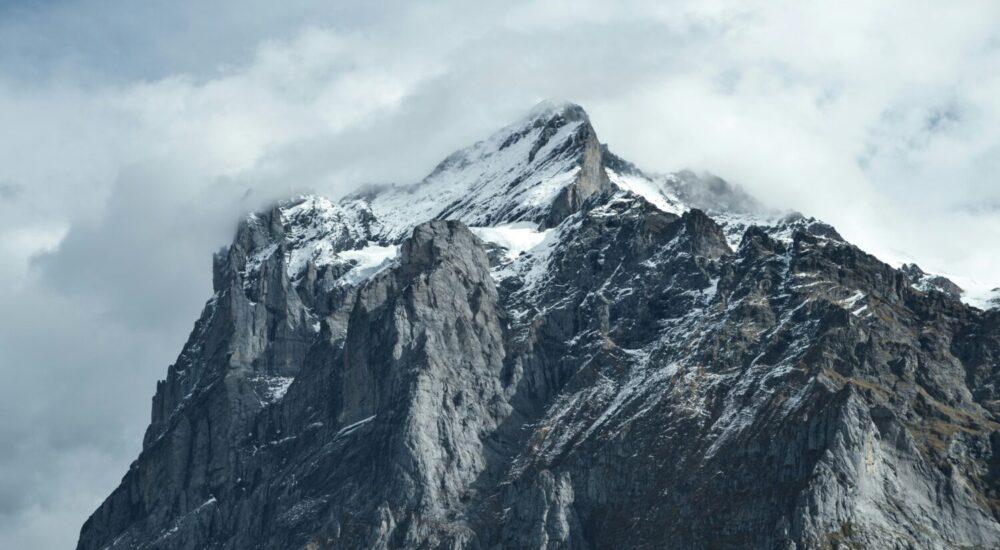
The Rwenzori Mountains National Park is a UNESCO World Heritage Site known for its extraordinary biodiversity and unique alpine environment. Unlike Mount Kilimanjaro, which is a single volcanic peak, the Rwenzoris are a long mountain range with multiple peaks, including Margherita Peak on Mount Stanley, which stands at 5,109 meters.
What makes Rwenzori trekking especially distinctive is the terrain. Climbers pass through dense tropical rainforest, bamboo zones, heather forests, boggy valleys, and finally alpine ice regions. This rapid transition across ecological zones is both visually stunning and physically demanding.
Unlike many other African trekking destinations, the Rwenzoris are not a “walk-up” mountain. They require technical stamina, balance, and the ability to move through constantly wet and uneven terrain.
How Hard Is Rwenzori Trekking Really?
In simple terms, Rwenzori trekking difficulty is considered high compared to most African hikes and moderate to very challenging when compared globally.
It is not a technical climb for most routes to Margherita Peak, but it is physically demanding due to long trekking days, steep ascents, mud, and altitude exposure.
Most standard Rwenzori routes take between 6 and 10 days depending on the itinerary. Each day involves several hours of hiking through changing landscapes, often in wet and slippery conditions.
The difficulty does not come from a single factor but from a combination of:
High altitude progression over multiple days
Heavy rainfall and muddy trails
Long hiking durations (5–10 hours daily)
Cold temperatures at higher elevations
Physical strain from continuous ascents and descents
Because of this combination, even experienced hikers often find the Rwenzoris more challenging than expected.
Altitude and Its Impact on Trekking Difficulty
One of the most important elements affecting Rwenzori trekking difficulty is altitude. As climbers ascend beyond 3,000 meters, oxygen levels decrease significantly, affecting stamina, breathing, and overall performance.
At higher camps above 4,000 meters, cold temperatures and thinner air make movement slower and more energy-consuming. Even simple walking can feel physically demanding.
Altitude sickness is a real concern in the Rwenzoris, especially for trekkers who ascend too quickly or do not acclimatize properly. Symptoms may include headaches, fatigue, nausea, and reduced appetite.
Proper acclimatization is built into most guided itineraries, allowing the body to adjust gradually. However, trekkers still need to be aware of their physical limits and communicate any discomfort early.
Terrain Challenges in the Rwenzori Mountains
The terrain is one of the most defining factors of Rwenzori trekking difficulty.
Unlike dry mountain trails, the Rwenzoris are known for their wet and boggy conditions, especially in the central and lower alpine zones. Wooden boardwalks are often used in swampy areas, but hikers still frequently walk through deep mud.
Rain is common throughout the year, contributing to slippery paths and reduced visibility. Even during dry seasons, the mountain retains significant moisture due to its equatorial climate.
In addition to mud, trekkers encounter:
Steep rocky climbs
Dense forest sections with exposed roots
Fast-changing weather conditions
Cold, wet alpine zones near glaciers
This terrain requires good balance, strong legs, and mental resilience more than technical climbing skills.
Physical Fitness Requirements for Rwenzori Trekking
While the Rwenzori Mountains do not require advanced mountaineering experience for most routes, a solid fitness base is essential.
The ideal candidate for Rwenzori trekking is someone who is comfortable hiking for several consecutive days, often on uneven terrain, with a moderate backpack.
Endurance is more important than speed. Trekkers who engage in regular cardio training, hiking, cycling, or running generally perform better on the mountain.
Leg strength is particularly important due to constant ascents and descents. Core stability also helps maintain balance on slippery surfaces.
Although there is no strict fitness requirement, poor conditioning can significantly increase fatigue and reduce enjoyment of the trek.
Mental Strength and Trekking Endurance
Physical fitness alone is not enough to handle Rwenzori trekking difficulty. Mental endurance plays an equally important role.
Trekkers often face long days in wet conditions with limited visibility due to mist or rain. Trails can feel repetitive, and progress may seem slow due to altitude and terrain.
The ability to stay patient, motivated, and adaptable is essential. Many trekkers describe the Rwenzoris as a “mental mountain” where determination matters as much as physical ability.
Those who approach the trek with realistic expectations tend to cope better with challenges along the way.
Weather Conditions and Their Effect on Difficulty
The Rwenzori Mountains are known for unpredictable weather patterns.
Rain can occur at any time of year, and humidity levels are consistently high in lower zones. At higher altitudes, temperatures drop significantly, especially at night.
Wet conditions directly affect Rwenzori trekking difficulty by making trails more slippery and increasing energy expenditure. Dry clothing is often difficult to maintain, and gear must be carefully selected to handle continuous moisture.
Despite the challenges, the misty atmosphere contributes to the mystical beauty of the landscape, with giant lobelias, moss-covered trees, and glacial peaks emerging through the clouds.
Trekking Routes and Their Difficulty Levels
There are several trekking routes in the Rwenzori Mountains, each with varying difficulty levels and durations.
The Central Circuit Trail is the most popular route for reaching Margherita Peak. It typically takes 7 to 9 days and is considered the standard route for serious trekkers.
Shorter routes are available for those who wish to explore lower sections of the mountains without summiting the highest peaks.
While all routes involve challenging terrain, longer itineraries allow better acclimatization and reduce overall physical strain.
Choosing the right route is an important factor in managing Rwenzori trekking difficulty effectively.
Equipment and Gear Requirements
Proper equipment significantly influences the trekking experience in the Rwenzoris.
Waterproof clothing is essential due to frequent rainfall. Layering systems help manage temperature changes across different altitude zones.
Sturdy hiking boots with strong grip are necessary for muddy and rocky sections. Gaiters are highly recommended to prevent mud and water from entering footwear.
Sleeping bags rated for low temperatures are required for higher altitude camps.
Trekking poles are highly useful for balance and reducing pressure on knees during descents.
Good gear does not eliminate difficulty but makes it more manageable and safer.
How Rwenzori Trekking Compares to Other African Climbs
Compared to Mount Kilimanjaro, Rwenzori trekking difficulty is often considered more physically demanding due to the muddy terrain and longer technical hiking days.
Unlike Kilimanjaro’s more structured trails, the Rwenzoris feel more remote and less predictable.
Compared to Mount Kenya, the Rwenzoris are wetter and more challenging in terms of terrain, although both require strong endurance.
For experienced trekkers, the Rwenzoris offer one of the most rewarding and immersive mountain experiences in Africa.
Who Can Successfully Complete Rwenzori Trekking?
The Rwenzori Mountains are suitable for:
Experienced hikers seeking a new challenge
Fit travelers with good endurance training
Adventure travelers looking for remote wilderness experiences
Climbers preparing for higher altitude expeditions globally
Beginners can still attempt lower routes with proper guidance and preparation, but summit attempts require strong physical readiness and mental determination.
With proper pacing, acclimatization, and professional support, many determined trekkers successfully complete the expedition.
Safety and Guided Trekking Importance
Due to the complexity of terrain and weather conditions, guided trekking is strongly recommended in the Rwenzoris.
Experienced guides understand route conditions, weather changes, and altitude management. Porters also play an important role in supporting logistics and carrying equipment.
Guided expeditions significantly improve safety and increase the likelihood of a successful summit.
Monumental Expeditions and Safaris works with experienced mountain teams to ensure safe and well-organized trekking experiences throughout the Rwenzori range.
Why the Challenge Is Worth It
Despite its difficulty, the Rwenzori experience is considered one of the most rewarding trekking adventures in Africa.
The combination of glaciers, alpine lakes, giant vegetation, and dramatic landscapes creates an environment found nowhere else on the continent.
Reaching Margherita Peak or simply exploring the lower valleys offers a profound sense of achievement and connection to nature.
For many trekkers, the challenge becomes part of the reward, making the experience unforgettable.
Plan Your Rwenzori Trek with Monumental Expeditions and Safaris
At Monumental Expeditions and Safaris, we specialize in organizing professionally guided Rwenzori trekking expeditions tailored to different fitness levels and adventure goals.
Whether you are aiming for a full summit climb or a shorter exploration of the mountain’s lower zones, our team provides expert planning, experienced guides, equipment support, and seamless logistics.
We also combine Rwenzori trekking with other Uganda experiences such as gorilla trekking in Bwindi, wildlife safaris in Queen Elizabeth National Park, and chimpanzee tracking in Kibale Forest.
Start your Rwenzori adventure today by visiting Monumental Expeditions and safaris and planning your custom itinerary with our safari experts.
Related Posts