Travel guide to Rwenzori Mountain National Park – Hiking Rwenzori mountain in Uganda. Rwenzori Mountain…
Karamoja Cultural Experience: Kidepo Valley Tourism
Karamoja Cultural Experience: Kidepo Valley Tourism in Uganda’s Most Remote Wilderness
The Karamoja Cultural Experience: Kidepo Valley Tourism journey offers one of the most authentic and least explored cultural and wildlife adventures in East Africa. Located in the far northeastern corner of Uganda, Kidepo Valley National Park sits within the greater Karamoja sub-region, a landscape defined by vast savannah plains, rugged mountain ranges, and deeply rooted indigenous cultures.
Unlike Uganda’s more visited safari destinations, Kidepo Valley remains remote, wild, and largely untouched by mass tourism. This isolation has preserved both its ecological integrity and the traditional lifestyles of the Karimojong people, making it a rare destination where culture and wildlife exist side by side in their most authentic forms.
A journey here is not just about game drives or scenery. It is about immersion—into pastoral traditions, ancient survival systems, and one of Africa’s most dramatic wilderness ecosystems.
The Remote Beauty of Kidepo Valley National Park
Kidepo Valley National Park is often described as Uganda’s most isolated national park, and that isolation is exactly what makes it extraordinary. Located near the borders of South Sudan and Kenya, the park covers expansive semi-arid plains surrounded by mountain ranges such as the Morungole and Narus valleys.
The landscape feels different from any other safari destination in Uganda. Wide open savannah stretches into the horizon, interrupted by rocky outcrops, seasonal rivers, and distant mountains that glow golden at sunrise and sunset.
This untouched wilderness supports a surprising diversity of wildlife. Elephants, lions, buffalo, zebras, giraffes, and antelopes roam freely across the plains, often without the congestion seen in more popular parks. The park is also home to rare species such as cheetahs and bat-eared foxes, making it a hidden gem for wildlife enthusiasts seeking solitude and exclusivity.
Within this vast ecosystem lies the cultural heart of Karamoja, where tourism becomes more than observation—it becomes connection.
Understanding the Karamoja Cultural Landscape
The Karamoja region is home to the Karimojong people, a semi-nomadic pastoral community whose traditions are deeply tied to cattle herding, seasonal movement, and communal living.
The Karamoja Cultural Experience is centered on understanding how this community has survived for centuries in a harsh and unpredictable environment. Livestock, especially cattle, are not just economic assets but central to identity, social structure, and cultural expression.
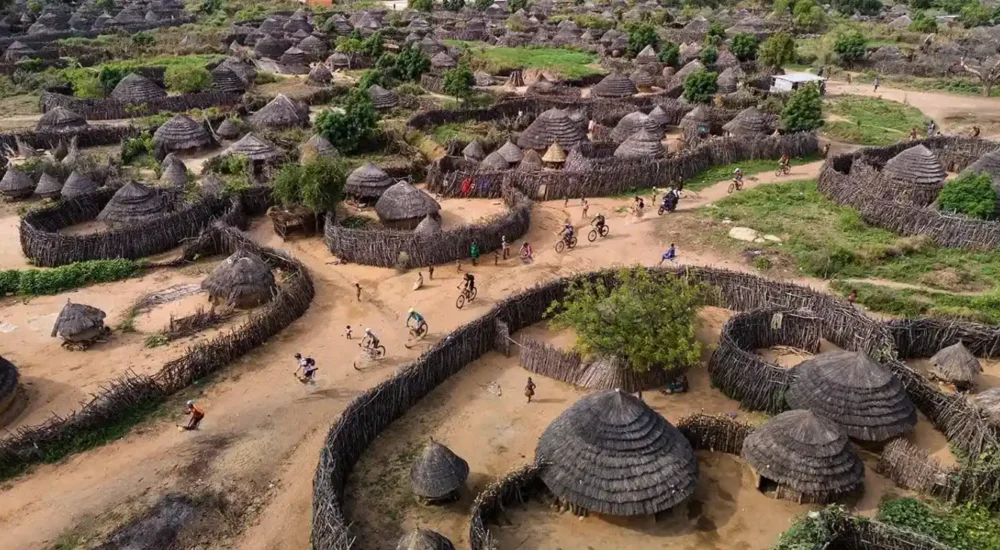
Visitors to the region encounter traditional homesteads known as manyattas, which are carefully constructed circular settlements made from natural materials such as mud, sticks, and thatch. These settlements are designed for both protection and mobility, reflecting the pastoral lifestyle of the community.
Life in Karamoja is shaped by resilience, adaptation, and strong cultural identity, offering travelers a rare opportunity to experience a way of life that remains deeply connected to nature.
Kidepo Valley as a Cultural and Wildlife Destination
What makes Kidepo Valley tourism in Uganda so unique is the seamless connection between wildlife and culture. Unlike many safari destinations where cultural experiences are separate from wildlife viewing, here they exist within the same landscape.
Morning game drives across the Narus Valley may reveal lions resting in the grasslands or herds of buffalo moving toward water sources. Later in the day, visitors can engage with Karimojong communities to learn about traditional practices, storytelling, and cattle herding techniques.
This combination creates a multi-dimensional safari experience where nature and culture reinforce each other rather than exist in isolation.
It is this integration that positions Kidepo Valley as one of Africa’s most authentic safari destinations.
The Karimojong People and Their Way of Life
The Karimojong are one of Uganda’s most culturally distinct ethnic groups. Their identity is closely tied to cattle, which serve as a measure of wealth, social status, and cultural continuity.
The Karamoja cultural experience in Kidepo Valley often begins with visits to traditional homesteads where visitors are welcomed with songs, dances, and storytelling. These cultural exchanges provide insight into social structures, marriage customs, initiation rituals, and communal responsibilities.
Traditional dances are rhythmic and energetic, often accompanied by chants and the sound of handmade instruments. These performances are not staged solely for tourism; they are expressions of cultural identity that have been passed down through generations.
Visitors also learn about traditional pastoral practices, including seasonal migration routes, livestock management, and survival strategies in arid environments.
Wildlife Encounters in Kidepo Valley National Park
Kidepo Valley offers some of the most dramatic wildlife encounters in East Africa due to its open landscapes and low tourist density.
Lions are frequently seen resting on rocky outcrops or hunting in the open plains. Large elephant herds move through the valleys, often silhouetted against mountain backdrops. Buffalo, giraffes, zebras, and various antelope species create a rich tapestry of wildlife activity across the savannah.
One of the most unique Kidepo Valley safari experiences is the sense of exclusivity. Wildlife viewing often takes place without other vehicles in sight, allowing for uninterrupted observation and photography.
Birdlife is also exceptional, with over 450 recorded species, making Kidepo a paradise for birdwatchers seeking rare and endemic species.
Cultural Immersion Beyond the Safari Vehicle
Unlike conventional safari experiences that focus primarily on game drives, the Karamoja cultural tourism experience emphasizes human connection.
Visitors may walk through homesteads, participate in traditional cooking demonstrations, or learn how local communities construct shelters using natural materials.
Elders often share oral histories that explain the origins of the Karimojong people, their relationship with neighboring communities, and their adaptation to environmental challenges.
These interactions provide a deeper understanding of resilience and cultural continuity in one of Uganda’s most remote regions.
The Role of Tourism in Karamoja Development
Tourism in Kidepo Valley plays a significant role in supporting both conservation and community development.
Revenue generated from tourism activities contributes to park management, wildlife protection, and local economic initiatives. Community-based tourism programs ensure that local people directly benefit from visitor engagement.
This model encourages conservation while improving livelihoods in a region that has historically faced economic and infrastructural challenges.
The Kidepo Valley tourism model demonstrates how sustainable travel can support both cultural preservation and environmental protection.
The Journey to Kidepo Valley
Reaching Kidepo Valley National Park is part of the adventure itself. The journey takes travelers through changing landscapes that transition from central Uganda’s lush greenery to the semi-arid savannahs of the northeast.
This gradual transformation highlights Uganda’s ecological diversity and prepares visitors for the unique environment of Karamoja.
Although remote, the journey is increasingly accessible through organized safari routes, making it possible to combine Kidepo with other destinations such as Murchison Falls National Park or cultural circuits in northeastern Uganda.
Best Time to Visit Kidepo Valley and Karamoja
Kidepo Valley is accessible year-round, but seasonal conditions influence both wildlife viewing and cultural experiences.
Dry seasons offer clearer roads and more concentrated wildlife around water sources, while wetter periods bring lush vegetation and dramatic scenery.
Cultural experiences in Karamoja are available throughout the year, with community activities continuing regardless of season.
The consistency of cultural engagement makes Kidepo a strong year-round destination for travelers seeking both wildlife and cultural immersion.
Photography and Storytelling Opportunities
Kidepo Valley offers exceptional photography opportunities due to its wide-open landscapes, dramatic lighting, and rich cultural interactions.
Wildlife photography benefits from the park’s low visitor density, allowing for uninterrupted compositions of animals in natural settings.
Cultural photography captures traditional attire, homestead architecture, and expressive dance performances that reflect Karimojong identity.
Together, these elements create a powerful storytelling environment that blends nature and culture in a single frame.
Conservation and Cultural Preservation
Conservation in Kidepo Valley is closely linked to community engagement. Protecting wildlife habitats also supports the preservation of traditional pastoral systems that depend on open landscapes.
Efforts to balance tourism, conservation, and cultural heritage ensure that both ecosystems and communities remain resilient.
The Karamoja cultural experience in Kidepo Valley tourism model demonstrates how protected areas can support both biodiversity and cultural diversity.
Why Kidepo Valley Remains a Hidden Gem
Despite its beauty and cultural richness, Kidepo Valley remains one of Uganda’s least visited national parks. Its remote location has preserved its authenticity, making it ideal for travelers seeking solitude and off-the-beaten-path experiences.
This limited tourism footprint ensures that both wildlife and cultural traditions remain intact, offering an experience that feels untouched and genuine.
For many travelers, Kidepo represents the Africa they imagined—wild, vast, and deeply connected to tradition.
Experience Karamoja and Kidepo with Expert Guidance
Exploring Kidepo Valley and engaging with Karamoja culture requires thoughtful planning and local expertise. The region’s remoteness and cultural sensitivity make guided experiences essential for meaningful and responsible travel.
At Monumental Expeditions and Safaris, we design immersive journeys that combine Kidepo Valley tourism with authentic Karamoja cultural experiences, ensuring travelers connect deeply with both wildlife and community heritage.
Our itineraries are built around responsible travel principles, cultural respect, and sustainable tourism development in northeastern Uganda.
To plan your journey, visit Monumental Expeditions and safaris and explore customized safari experiences across Uganda’s most unique destinations.
Related Posts