
Gorilla Trekking Permit Prices in 2026 Gorilla trekking is a once-in-a-lifetime experience that draws travelers…
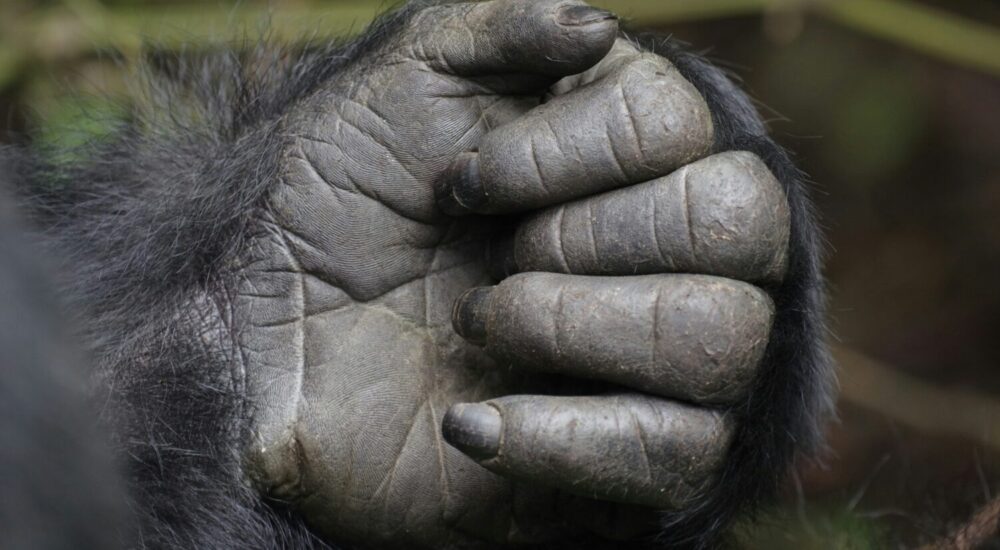
Once in a Lifetime Gorilla Safari: Why Now Is the Time
Once in a Lifetime Gorilla Safari: Why Now Is the Time to See Mountain Gorillas in the Wild
A Once in a Lifetime Gorilla Safari: Why Now Is the Time is not a marketing phrase—it is a reflection of urgency, conservation success, and a rare window of opportunity to see mountain gorillas in their natural habitat while populations are still fragile but recovering. Very few wildlife experiences on Earth combine exclusivity, emotional impact, scientific importance, and conservation value in the way gorilla trekking does.
Mountain gorillas exist in only a small corner of East and Central Africa, hidden in the misty forests of Uganda, Rwanda, and the Democratic Republic of Congo. Their survival story is one of the greatest conservation achievements in modern history, yet it is still unfinished. Habitat pressure, disease risk, and human-wildlife boundaries remain constant challenges.
This is exactly why the present moment matters. A gorilla safari today is not only an extraordinary travel experience but also a direct contribution to protecting one of the world’s most endangered great apes.
The Rarity of Mountain Gorillas in the Wild
Mountain gorillas are among the rarest primates on the planet. Unlike other wildlife species that can be found across multiple continents or vast ecosystems, mountain gorillas survive only in two isolated regions: the Virunga Massif and Bwindi Impenetrable Forest.
This extremely limited distribution makes every encounter with them significant. There are just over 1,000 individuals remaining in the wild, and every gorilla family is carefully monitored by conservation teams.
When travelers participate in a once in a lifetime gorilla safari, they are entering one of the most protected wildlife environments in the world. Each visit is carefully regulated to ensure that gorillas remain safe, undisturbed, and healthy.
This rarity is one of the strongest reasons why now is the best time to experience gorilla trekking. Opportunities are limited by design, not by chance.
Why Now Matters for Gorilla Conservation
 The mountain gorilla conservation story is one of success, but also of ongoing vulnerability. Over the last few decades, their population has steadily increased thanks to coordinated conservation efforts involving governments, researchers, rangers, and tourism operators.
However, this progress does not guarantee long-term stability. Habitat pressure continues to grow due to expanding human populations around protected areas. Climate change is also altering vegetation patterns in mountain ecosystems, potentially affecting gorilla food sources.
Disease transmission remains one of the most serious risks because gorillas share a high percentage of DNA with humans. Even minor illnesses can have major impacts on isolated gorilla families.
This is why gorilla trekking conservation efforts must continue without interruption. Tourism revenue plays a direct role in funding ranger patrols, veterinary teams, and community programs that reduce pressure on protected areas.
Visiting now supports a conservation system that is still actively protecting a recovering species.
The Unmatched Experience of Gorilla Trekking
A once in a lifetime gorilla safari experience begins long before you see the gorillas. It starts with a trek through dense rainforest, guided by expert trackers who understand the forest at an intimate level.
The journey often involves hiking through steep slopes, thick vegetation, and unpredictable terrain. There are no fixed paths, and every trek is different depending on the movement of gorilla families.
The anticipation builds with every step. Then, suddenly, the forest opens into a clearing where a gorilla family is resting, feeding, or interacting quietly among themselves.
At that moment, everything changes. The noise of the forest fades, and visitors find themselves observing one of the most intelligent and emotionally complex animals in the wild.
This is not a distant safari sighting. It is a close, respectful encounter that feels deeply personal and unforgettable.
Gorilla Families and Their Social Intelligence
Mountain gorillas live in structured social groups led by a dominant silverback male. These groups are not random gatherings; they are stable family units with strong emotional bonds.
A typical gorilla family includes females, infants, juveniles, and one or more silverbacks. Their social interactions include grooming, play, communication, and cooperative protection of young members.
One of the most remarkable aspects of mountain gorilla behavior is their emotional depth. Mothers show strong care for their infants, juveniles engage in playful learning behaviors, and silverbacks display calm authority and protective instincts.
Witnessing these interactions in the wild is one of the most powerful aspects of gorilla trekking. It shifts the experience from wildlife viewing to emotional connection.
Uganda and Rwanda: The Heart of Gorilla Tourism
Uganda and Rwanda are the two primary destinations for gorilla trekking safaris, each offering unique landscapes and experiences.
Uganda’s Bwindi Impenetrable National Park is a dense, ancient forest known for its biodiversity and rugged terrain. It holds nearly half of the world’s remaining mountain gorillas, making it one of the most important conservation areas on Earth.
Rwanda’s Volcanoes National Park offers a different experience, with volcanic landscapes, bamboo forests, and relatively shorter trekking distances in some areas. It is often chosen for its accessibility and scenic mountain views.
Both destinations are carefully managed to balance tourism, conservation, and community development.
Choosing either destination supports the broader goal of protecting mountain gorillas across their entire range.
The Conservation Model That Makes It Possible
One of the most important reasons to consider a once in a lifetime gorilla safari in Africa is the conservation model behind it. Gorilla trekking is not just tourism—it is a funding system for wildlife protection.
A significant portion of gorilla trekking permit fees goes directly into conservation activities. These include ranger salaries, anti-poaching patrols, veterinary care, and habitat protection.
Community programs also benefit from tourism revenue, ensuring that local people living near gorilla habitats gain tangible value from conservation.
This model has transformed gorilla conservation from crisis management into a sustainable system that benefits both wildlife and people.
Every visitor directly contributes to this system.
Why Gorilla Permits Are Limited
Gorilla trekking permits are intentionally restricted to protect the animals from overexposure. Only a small number of visitors are allowed to visit each gorilla family per day.
Once a group is located, visitors are given one hour to observe them before returning to base.
This controlled system ensures minimal disturbance while maximizing conservation benefits.
The limited availability of permits also means that planning a gorilla safari experience requires advance booking. Demand often exceeds supply, especially during peak travel seasons.
This scarcity is another reason why “now” is the right time—availability is not guaranteed indefinitely.
The Emotional Transformation of a Gorilla Encounter
Most travelers describe gorilla trekking as life-changing because it creates a shift in perspective.
Standing just a few meters from a wild silverback gorilla challenges assumptions about wildlife, intelligence, and human connection to nature.
Many visitors report feeling a sense of calm, respect, and emotional depth during the encounter. The experience often becomes more about observation and reflection than excitement alone.
This emotional transformation is what makes once in a lifetime gorilla trekking safaris so memorable. It is not just about seeing animals; it is about experiencing a rare moment of connection with nature at its most intelligent level.
Physical Challenge and Personal Reward
Gorilla trekking is not an easy walk. It often involves hiking for hours through uneven terrain, mud, and dense vegetation. Altitude can also make the experience physically demanding.
However, this challenge is part of what makes the reward so meaningful. Every step into the forest builds anticipation, and every obstacle overcome becomes part of the story.
When the gorillas are finally found, the physical effort fades into the background, replaced by a powerful sense of accomplishment and awe.
This combination of challenge and reward is a defining feature of gorilla trekking experiences in Uganda and Rwanda.
Why This Experience Cannot Be Replicated
There are many wildlife safaris in Africa, but very few offer what gorilla trekking does. It is not a drive-through experience, and it is not a staged encounter.
Gorillas are wild, intelligent, and unpredictable. Their movements are tracked daily by rangers, but they are never controlled.
Each encounter is unique. Weather conditions, group behavior, and forest dynamics all influence what visitors will see.
This unpredictability is part of what makes it a true once-in-a-lifetime experience.
Responsible Tourism and Future Protection
Gorilla trekking represents one of the strongest examples of responsible tourism in action.
Strict rules are enforced to protect gorillas from stress and disease. Visitors must maintain distance, avoid direct contact, and follow ranger instructions at all times.
These guidelines ensure that tourism supports conservation without harming the animals it depends on.
As global interest in wildlife tourism grows, maintaining these standards becomes even more important.
Choosing a responsible operator ensures that your visit contributes positively to gorilla conservation.
Why You Should Not Wait
There is a growing misconception that gorilla trekking will always remain available at current levels. In reality, conservation conditions, permit availability, and tourism regulations can change over time.
Population growth around national parks, climate impacts, and policy shifts may all influence future access.
At the same time, demand for gorilla trekking continues to increase globally.
This combination of limited supply and growing demand makes the present moment particularly significant.
A once in a lifetime gorilla safari: why now is the time is not just a headline—it reflects a real opportunity that may become harder to access in the future.
Plan Your Gorilla Safari Today
A gorilla trekking safari is one of the most powerful wildlife experiences available anywhere in the world. It combines adventure, conservation, emotional connection, and rare wildlife encounters in a way that few journeys can match.
At Monumental Expeditions and Safaris, we specialize in designing meaningful gorilla trekking experiences across Uganda and Rwanda. Our itineraries focus on responsible travel, expert guidance, and seamless planning to ensure that every journey contributes to conservation while delivering unforgettable encounters.
Whether you are planning to explore Bwindi Impenetrable Forest, Volcanoes National Park, or combine gorilla trekking with a broader East African safari, we create tailored experiences that match your travel goals.
To begin your journey, visit Monumental Expeditions and safaris and explore curated gorilla safari packages designed for immersive wildlife experiences.
Related Posts
Eco-Friendly Gorilla Trekking: Conservation & Community Benefits Explore the importance of eco-friendly gorilla trekking and…
How to See Gorillas in Congo Are you eager to see gorillas in Congo and…