
Jinja airstrip Uganda – Domestic flights to Jinja town Uganda. Jinja airport airstrip Uganda only…
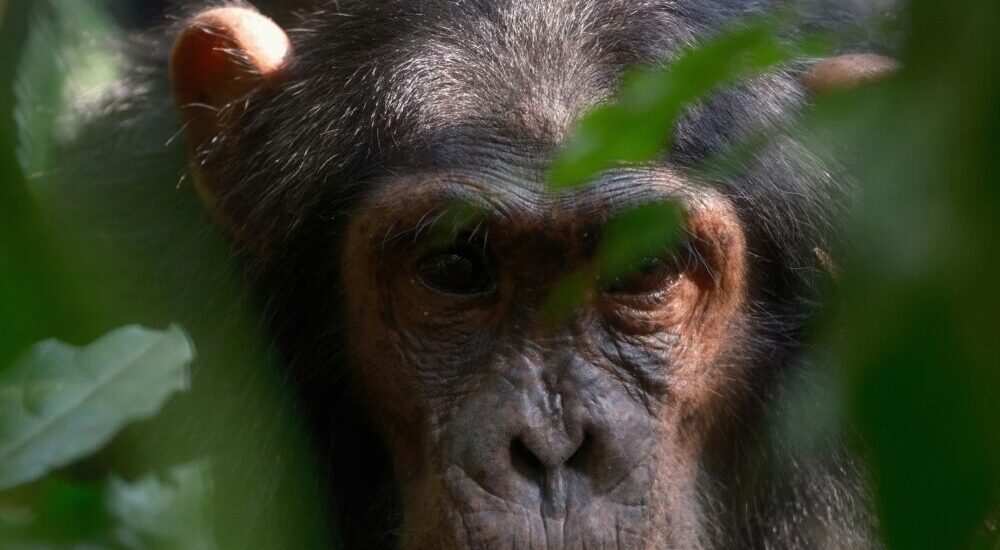
Wildlife in Rwenzori: Chimpanzees & Forest Elephants
Wildlife in Rwenzori: Chimpanzees & Forest Elephants
The Rwenzori Mountains, often called the “Mountains of the Moon,” rank among Africa’s most remarkable wilderness destinations. While many travelers associate the region with snow-capped peaks, glaciers, and challenging mountain trekking, the lower slopes and surrounding forests support an extraordinary diversity of wildlife. The rich ecosystems found within and around Rwenzori Mountains National Park provide habitat for numerous mammals, primates, birds, reptiles, and rare forest species that thrive in the dense montane forests.
Among the most fascinating animals in the region are chimpanzees and African forest elephants, two iconic species that represent the ecological richness of the Rwenzori landscape. Visitors who explore the forests surrounding the mountains discover a hidden world where primates swing through ancient trees, elephants move quietly through dense vegetation, and hundreds of bird species fill the air with sound.
For travelers interested in wildlife beyond traditional savannah safaris, the wildlife in Rwenzori offers a unique and rewarding experience that combines mountain scenery, biodiversity, conservation, and adventure.
Understanding the Wildlife Ecosystem of the Rwenzori Mountains
The Rwenzori Mountains stretch along the Uganda–Democratic Republic of Congo border and form one of Africa’s most important biodiversity hotspots. Rising from tropical forests to alpine zones above 5,000 meters, the mountains create a wide range of habitats that support different wildlife communities.
The lower elevations consist of tropical rainforest and montane forest, which provide ideal conditions for primates, forest elephants, duikers, bushbucks, giant forest hogs, and numerous bird species. As altitude increases, bamboo forests, heathlands, and alpine vegetation dominate the landscape.
These forests receive abundant rainfall throughout the year, creating lush vegetation and a constant supply of food for wildlife. The combination of isolation, altitude, and climate has allowed many species to evolve and survive in relatively undisturbed habitats.
Unlike Uganda’s famous savannah parks such as Queen Elizabeth National Park or Murchison Falls National Park, the Rwenzori ecosystem focuses on forest biodiversity, making it especially attractive to nature enthusiasts and wildlife researchers.
Chimpanzees in the Rwenzori Region
One of the most sought-after wildlife encounters in the region involves observing chimpanzees in Rwenzori forests. These intelligent primates share approximately 98% of their DNA with humans and display remarkably complex social behaviors.
Although chimpanzee trekking is not conducted directly within the high-altitude zones of Rwenzori Mountains National Park, several forests surrounding the mountain range support healthy chimpanzee populations. The most notable destinations include Kyambura Gorge and Kibale National Park, both located near the Rwenzori region.
Visitors exploring the western Uganda circuit often combine Rwenzori trekking with chimpanzee tracking excursions, creating one of East Africa’s most diverse wildlife itineraries.
Chimpanzee Behavior and Social Structure
Chimpanzees live in large communities that may contain dozens of individuals. Within these communities, smaller groups frequently split and reunite throughout the day as they search for food.
They communicate using vocalizations, facial expressions, body language, and grooming behaviors. Travelers often hear loud pant-hoots echoing through the forest long before spotting the animals.
Watching chimpanzees interact offers a fascinating glimpse into their social lives. Visitors may observe mothers caring for infants, juveniles playing in the canopy, or dominant males displaying their strength and status.
These behaviors provide valuable insights into primate evolution and demonstrate why chimpanzees remain among Africa’s most captivating wildlife species.
Where to See Chimpanzees Near Rwenzori
The forests surrounding the Rwenzori Mountains offer several opportunities for chimpanzee encounters.
Kibale National Park
Located a few hours from the Rwenzori Mountains, Kibale National Park contains one of Africa’s highest densities of chimpanzees. The park protects approximately 1,500 chimpanzees and serves as Uganda’s premier chimpanzee trekking destination.
Visitors often combine Kibale with Rwenzori trekking to experience both mountain adventure and primate encounters during one safari.
Kyambura Gorge
Situated within Queen Elizabeth National Park, Kyambura Gorge is often referred to as the “Valley of Apes.” This dramatic forested canyon shelters a small but important chimpanzee population.
The gorge lies near the foothills of the Rwenzori Mountains and offers spectacular scenery alongside wildlife viewing opportunities.
Best Time for Chimpanzee Viewing
Chimpanzees can be observed year-round, but the dry seasons generally provide easier trekking conditions. The best periods include:
- December to February
- June to September
During these months, forest trails remain more accessible and wildlife tracking becomes easier.
Forest Elephants in the Rwenzori Landscape
Another remarkable species associated with the region is the African forest elephant. These elusive animals differ significantly from the larger savannah elephants commonly seen in East Africa.
Forest elephants possess smaller bodies, straighter tusks, and rounded ears that help them navigate dense vegetation. Their secretive nature makes sightings particularly special for wildlife enthusiasts.
The forests around the Rwenzori Mountains provide suitable habitat for these animals, although they are naturally difficult to observe because of thick vegetation and their cautious behavior.
The Importance of Forest Elephants
Forest elephants play a crucial ecological role within tropical forests. Scientists often describe them as “ecosystem engineers” because they shape forest structure through their feeding habits and movement patterns.
As elephants move through forests, they create pathways that other animals use. They disperse seeds over large distances and help maintain plant diversity.
Many tree species depend on elephants for seed distribution, making them essential contributors to forest regeneration.
Without forest elephants, entire ecosystems would gradually change, affecting countless other species that depend on healthy forests.
Challenges Facing Forest Elephants
Like many African wildlife species, forest elephants face numerous threats.
Habitat loss remains a major concern as human populations expand around protected areas. Agricultural activities, infrastructure development, and forest degradation reduce available habitat.
Poaching has also historically impacted elephant populations throughout Central and East Africa due to demand for ivory.
Conservation efforts within Uganda focus on protecting remaining habitats, improving anti-poaching measures, and promoting sustainable tourism that supports wildlife protection.
The Rwenzori region benefits from collaborative conservation initiatives involving Uganda Wildlife Authority, local communities, researchers, and tourism stakeholders.
Other Mammals Found in the Rwenzori Mountains
Although chimpanzees and forest elephants attract significant attention, the wildlife in Rwenzori extends far beyond these iconic species.
The forests support numerous mammals that contribute to the area’s extraordinary biodiversity.
Black-and-White Colobus Monkeys
These striking primates frequently inhabit montane forests throughout the Rwenzori region. Their long white mantles and graceful movements make them easy to recognize.
Groups often leap between treetops while feeding on leaves, fruits, and flowers.
Blue Monkeys
Blue monkeys thrive in forest habitats and commonly occur on the lower slopes of the mountains. They spend much of their time in the canopy and feed on fruits, insects, and vegetation.
L’Hoest’s Monkeys
This rare primate species inhabits montane forests in western Uganda. Their distinctive white beards and shy behavior make sightings particularly rewarding.
Bushbucks and Duikers
Several antelope species inhabit the forests surrounding the mountains. Bushbucks, blue duikers, and other small antelopes browse among dense vegetation and contribute to ecosystem balance.
Giant Forest Hogs
Africa’s largest wild pig species occasionally occurs in suitable forest habitats near the Rwenzori Mountains. These powerful animals play important ecological roles through their feeding behavior.
Birdlife of the Rwenzori Mountains
The Rwenzori region is internationally recognized as a birding paradise. More than 200 bird species occur within the mountain ecosystem, including numerous Albertine Rift endemics.
Birdwatchers visiting the area often encounter species rarely seen elsewhere in Africa.
Some notable birds include:
- Rwenzori Turaco
- Handsome Francolin
- Blue-headed Sunbird
- Rwenzori Batis
- Archer’s Robin-Chat
- Scarlet-tufted Malachite Sunbird
- Long-eared Owl
- Lagden’s Bush Shrike
The combination of forest, montane, and alpine habitats creates exceptional opportunities for bird enthusiasts.
Conservation Efforts Protecting Wildlife in Rwenzori
The future of Rwenzori wildlife depends heavily on effective conservation programs.
Rwenzori Mountains National Park, designated as a UNESCO World Heritage Site, protects a significant portion of the ecosystem. Conservation initiatives focus on habitat preservation, wildlife monitoring, community engagement, and sustainable tourism.
Local communities increasingly benefit from ecotourism activities, creating incentives for wildlife conservation. Tourism revenue supports park management while generating employment opportunities for guides, porters, lodge staff, and community enterprises.
Research organizations continue monitoring wildlife populations to improve conservation strategies and understand ecological changes within the mountain environment.
Climate change represents an emerging challenge, particularly for high-altitude ecosystems. Conservation planning increasingly incorporates climate adaptation measures to safeguard biodiversity for future generations.
Combining Wildlife Viewing with Rwenzori Trekking
One of the greatest advantages of visiting the region is the ability to combine wildlife experiences with mountain adventure.
Many travelers spend several days trekking the Rwenzori Mountains before exploring nearby wildlife destinations such as Kibale National Park and Queen Elizabeth National Park.
A well-designed itinerary allows visitors to experience:
- Mountain trekking
- Chimpanzee tracking
- Forest wildlife encounters
- Birdwatching
- Savannah game drives
- Boat safaris
- Cultural experiences
This combination creates one of Uganda’s most comprehensive safari experiences.
At Monumental Expeditions and Safaris, customized itineraries allow travelers to explore both the mountains and surrounding wildlife-rich destinations while maximizing opportunities for primate viewing and nature photography.
Why Wildlife Enthusiasts Should Visit the Rwenzori Region
The Rwenzori region offers a completely different wildlife experience compared to traditional African safari destinations.
Instead of vast open plains filled with large herds, visitors encounter intimate forest ecosystems where every sighting feels special. The challenge of spotting wildlife in dense vegetation adds excitement and authenticity to the experience.
The opportunity to observe chimpanzees, search for forest elephants, discover rare primates, and encounter endemic birds makes the area one of East Africa’s most rewarding wildlife destinations.
Combined with spectacular mountain scenery, rich biodiversity, and strong conservation initiatives, the Rwenzori Mountains provide an unforgettable journey into one of Africa’s most extraordinary natural landscapes.
Whether you are an experienced wildlife traveler, passionate birder, photographer, conservation enthusiast, or adventure seeker, the wildlife of the Rwenzori Mountains delivers an experience unlike any other destination in Uganda.
Plan Your Rwenzori Wildlife Safari
Experience the incredible wildlife in Rwenzori, track chimpanzees in nearby forests, explore Uganda’s spectacular mountain ecosystems, and discover the hidden biodiversity of the Mountains of the Moon with Monumental Expeditions and Safaris.
Explore tailor-made safari itineraries that combine Rwenzori trekking, chimpanzee tracking, gorilla trekking, birdwatching, and wildlife safaris across Uganda and East Africa.
Related Posts

Volunteering program in Bigodi wetland Sanctuary – Nature walks and Primate in Bigodi wetland. Through…
Self drive gorilla tours in Uganda – Book your gorilla permits with Monumental Expeditions and…