
Primate Safaris and Tours in Rwanda | Gorilla trekking tours in Rwanda | Budget Gorilla…
Gorilla Trekking Cancelled: What to Do
Gorilla Trekking Cancelled: What to Do
Gorilla Trekking Cancelled: What to Do When Plans Change in Uganda and Rwanda
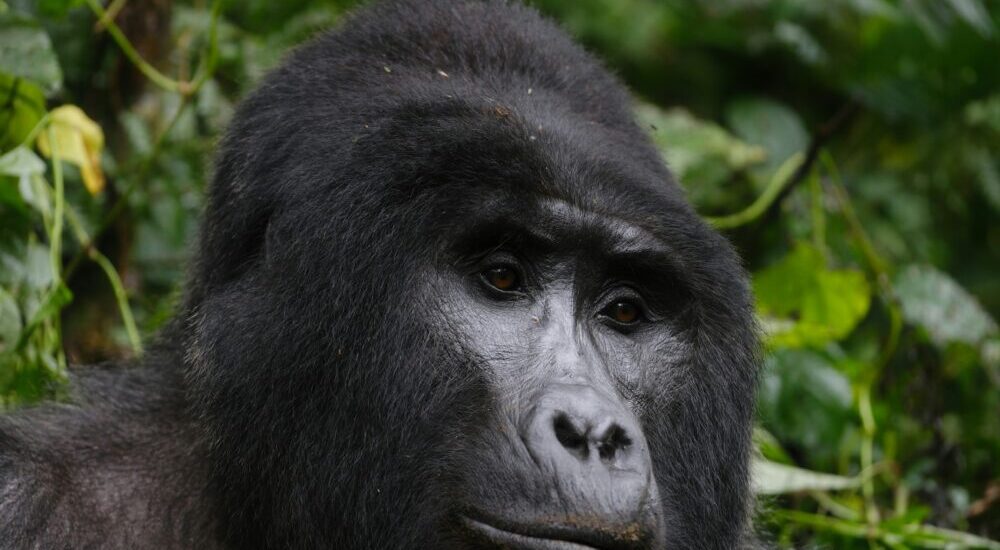
A gorilla trekking safari is one of the most anticipated wildlife experiences in Africa. Travelers plan months or even years in advance to visit mountain gorillas in Uganda, Rwanda, or the Democratic Republic of Congo. So when the unexpected happens and a trek is cancelled, it can feel disappointing and confusing. However, cancellations are rare, and when they do occur, there are clear systems in place to ensure your experience is still protected, rescheduled, or meaningfully adjusted.
Understanding why gorilla trekking gets cancelled, what your options are, and how to respond calmly can turn a stressful situation into a well-managed travel experience. At Monumental Expeditions and Safaris, we regularly support travelers through itinerary changes, permit adjustments, and alternative safari arrangements so that no journey is lost due to unforeseen circumstances.
This guide explains everything you need to know about gorilla trekking cancellations, including what happens to your permit, how rescheduling works, and what alternative experiences are available in Uganda and Rwanda.
Why Gorilla Trekking Gets Cancelled
Although gorilla trekking is one of the most carefully managed wildlife activities in the world, cancellations can still happen for a few specific reasons. Most of these are related to conservation, safety, or environmental conditions rather than operational failures.
One of the most common causes is extreme weather conditions. Heavy rainfall, landslides, or flooding in forest areas such as Bwindi Impenetrable National Park or Volcanoes National Park can make certain trails unsafe for both visitors and trackers. In such cases, park authorities may temporarily suspend trekking or adjust routes.
Another reason may involve gorilla health monitoring. Mountain gorillas are highly sensitive to human diseases. If a gorilla family shows signs of illness or distress, conservation authorities may restrict visitor access temporarily to protect the animals.
Rarely, logistical or security-related issues may also lead to cancellations. These situations are uncommon but are taken seriously to ensure visitor safety and conservation integrity.
It is important to understand that any decision to cancel or postpone trekking is made by wildlife authorities such as the Uganda Wildlife Authority or Rwanda Development Board, not by tour operators alone.
What Happens to Your Gorilla Permit if Trekking Is Cancelled
One of the most important concerns for travelers facing a gorilla trekking cancellation is the status of their permit. Gorilla permits are valuable conservation documents that grant access to a specific gorilla family on a specific date.
If trekking is cancelled due to official reasons such as weather, safety concerns, or park closure, permits are usually either rescheduled or refunded depending on the governing authority’s policy.
In most cases, Uganda Wildlife Authority or Rwanda Development Board will allow rescheduling to a new trekking date within available slots. This ensures that travelers still have the opportunity to see gorillas without losing their investment.
Refunds may also be considered in certain situations, though this depends on timing and official guidelines. Because gorilla permits are limited and in high demand, rescheduling is often the preferred solution.
At Monumental Expeditions and Safaris, we assist clients with all permit communications to ensure smooth handling of cancellations or changes.
How Tour Operators Handle Gorilla Trekking Cancellations
When gorilla trekking is cancelled, experienced safari operators immediately step in to manage the situation. Communication with park authorities is the first step, followed by coordination with accommodation providers and alternative activity planning.
Professional operators monitor weather and park updates closely, often before guests even reach the park. This allows for proactive adjustments rather than last-minute disruptions.
In many cases, itineraries are simply shifted rather than cancelled entirely. For example, if morning trekking is postponed, it may be moved to the afternoon or the following day depending on conditions and permit availability.
If rescheduling is not possible, alternative wildlife or cultural experiences are arranged to ensure travelers still enjoy a meaningful safari experience.
Alternative Activities When Gorilla Trekking Is Cancelled
Even when gorilla trekking is cancelled in Uganda or Rwanda, the safari experience does not end. Both countries offer a wide range of alternative activities that still provide incredible wildlife and cultural encounters.
In Uganda, travelers can enjoy game drives in Queen Elizabeth National Park, boat cruises along the Kazinga Channel, chimpanzee tracking in Kibale Forest, or scenic visits to Lake Bunyonyi. These experiences provide rich wildlife viewing and beautiful landscapes.
In Rwanda, alternative options include golden monkey trekking in Volcanoes National Park, cultural visits to Iby’Iwacu Village, or relaxing scenic tours around Lake Kivu.
These alternatives are carefully selected to match the original safari experience as closely as possible while maintaining traveler satisfaction.
At Monumental Expeditions and Safaris, we ensure that no safari day is wasted due to cancellations by offering high-quality backup experiences.
Weather-Related Gorilla Trekking Cancellations
Weather is one of the most common reasons for temporary gorilla trekking disruptions. The mountain gorilla habitats are located in high-altitude rainforest ecosystems where rainfall is frequent and sometimes intense.
Heavy rains can lead to slippery trails, reduced visibility, and in rare cases, blocked access roads. When conditions become unsafe, park authorities may delay or temporarily suspend trekking activities.
However, it is important to note that full cancellations due to weather are rare. Most of the time, trekking is simply delayed or adjusted to safer routes.
Even during rainy conditions, gorilla trekking continues in most situations because gorillas remain in their natural habitat regardless of weather.
Can Gorilla Trekking Be Rescheduled?
Yes, in many cases gorilla trekking can be rescheduled. This is the most common solution when cancellations occur.
Rescheduling depends on permit availability and park regulations. During peak seasons, availability may be limited, which is why early planning is always recommended.
Tour operators work closely with wildlife authorities to secure alternative trekking dates for affected travelers.
Rescheduling ensures that visitors still experience gorilla trekking without losing their permit value or missing out on the experience entirely.
What to Do Immediately If Your Gorilla Trek Is Cancelled
If your gorilla trekking experience is cancelled, the first step is to stay calm and wait for official communication from your tour operator or park authority.
Your safari guide will typically provide immediate updates and explain whether the cancellation is temporary or requires rescheduling.
It is important not to make independent travel changes without consulting your operator, as gorilla permits and park logistics require coordination.
Once information is confirmed, your operator will present available options including rescheduling, alternative activities, or itinerary adjustments.
How Cancellations Affect Multi-Day Safaris
Many travelers combine gorilla trekking with longer East African safaris, such as wildlife tours across Uganda, Rwanda, Kenya, or Tanzania.
If gorilla trekking is cancelled within a multi-day itinerary, tour operators usually adjust surrounding activities to maintain flow and value.
This may include extending game drives, adding cultural experiences, or adjusting travel routes to accommodate changes.
Because safari itineraries are flexible by nature, most cancellations are absorbed smoothly without affecting the overall trip experience.
Emotional Impact of Gorilla Trekking Cancellations
It is natural to feel disappointed when a long-awaited gorilla trekking experience is cancelled. Many travelers have planned and saved for months or years to see mountain gorillas.
However, it is important to remember that cancellations are usually made for important conservation or safety reasons.
Mountain gorillas are highly protected species, and their wellbeing always comes first. Understanding this helps travelers view cancellations as part of responsible tourism rather than a loss.
In many cases, the experience is still successfully completed within a short rescheduled timeframe.
How to Prepare for Possible Changes in Gorilla Trekking Plans
One of the best ways to handle potential cancellations is to build flexibility into your travel expectations.
Choosing longer safari itineraries reduces pressure if changes occur. Having buffer days in your schedule allows easier rescheduling if needed.
Travel insurance that covers trip interruptions is also highly recommended for international safari travel.
Working with experienced operators like Monumental Expeditions and Safaris ensures that you are supported through any unexpected changes.
Why Gorilla Trekking Is Rarely Fully Cancelled
Full cancellations of gorilla trekking experiences are extremely rare. Uganda, Rwanda, and Congo have well-developed conservation systems that ensure trekking continues under most conditions.
Even when disruptions occur, they are usually temporary and localized rather than affecting all trekking areas.
Because gorilla trekking is a controlled and highly regulated activity, authorities prioritize continuity while ensuring safety and conservation standards are met.
This makes gorilla trekking one of the most reliable wildlife experiences in Africa despite its wild setting.
The Role of Conservation in Trekking Decisions
Every decision related to gorilla trekking is guided by conservation priorities. Protecting mountain gorillas is the primary objective of national park authorities.
Temporary closures or adjustments help prevent disease transmission, reduce stress on gorilla families, and maintain long-term population health.
This is one of the reasons mountain gorillas have experienced population recovery in recent decades.
Understanding this conservation focus helps travelers appreciate why cancellations, when they occur, are necessary and responsible.
Plan a Flexible Gorilla Safari with Experts
At Monumental Expeditions and Safaris, we specialize in managing complex safari logistics, including gorilla permit arrangements, itinerary adjustments, and contingency planning for cancellations.
We ensure that travelers are supported throughout every stage of their journey, including unexpected changes in gorilla trekking schedules.
Our goal is to provide seamless safari experiences even when conditions change.
Conclusion
When gorilla trekking is cancelled, it is natural to feel disappointed, especially after investing time and anticipation into the experience. However, cancellations are rare, carefully managed, and always guided by conservation and safety priorities.
Most importantly, cancellations do not mean the end of your safari. With proper guidance, permits can often be rescheduled, and alternative wildlife or cultural experiences ensure your journey remains rewarding.
Gorilla trekking remains one of the most reliable and well-managed wildlife encounters in Africa. With the support of experienced operators like Monumental Expeditions and Safaris, travelers can confidently navigate any changes and still enjoy unforgettable experiences in Uganda, Rwanda, and beyond.
Related Posts
Budget Gorilla Trekking in Uganda offers subsidized trips designed to fit the budgets of travelers…
Gorilla Trekking in Rwanda: An Unforgettable Experience Rwanda is home to over 280 individual mountain…