
Chimpanzee Tracking in Kibale: Uganda's Primate Paradise Chimpanzee tracking in Kibale National Park offers one…
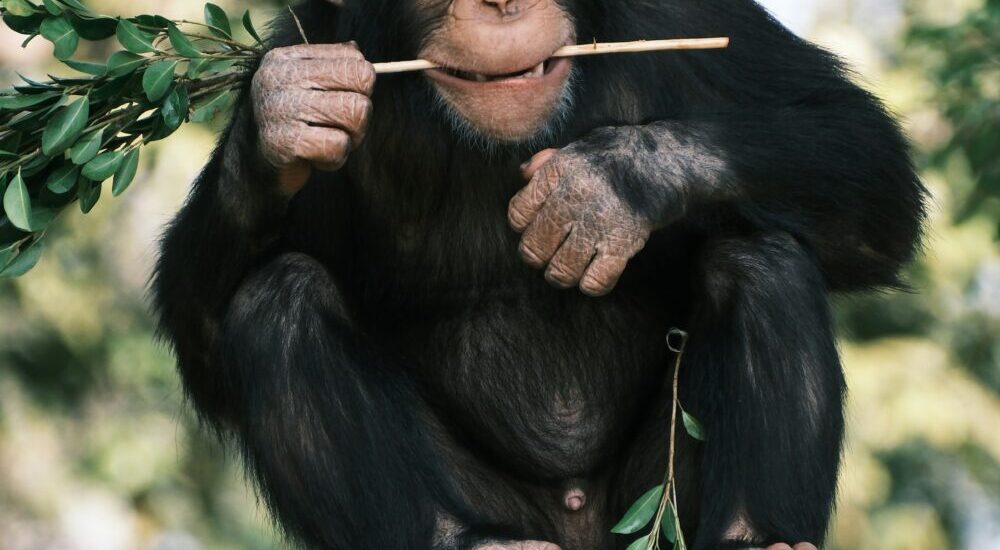
Gorilla vs Chimpanzee Trekking: Which Should You Choose?
Gorilla vs Chimpanzee Trekking: Which Should You Choose?
Choosing between gorilla trekking vs chimpanzee trekking is one of the most common decisions travelers face when planning a primate safari in East Africa. Uganda and Rwanda offer two of the most extraordinary wildlife encounters in the world: meeting mountain gorillas in misty rainforests and tracking energetic chimpanzees through dense tropical jungle.
Both experiences are unforgettable, but they are also very different in terms of physical effort, behavior of the animals, emotional intensity, trekking conditions, and overall safari style. Understanding these differences is key to planning the right itinerary based on your interests, fitness level, time, and budget.
For travelers planning primate safaris in Uganda and Rwanda, Monumental Expeditions and Safaris designs tailored itineraries combining both experiences or focusing on one depending on travel goals.
Understanding Gorilla Trekking Experience
 Gorilla trekking in Uganda and Rwanda is one of the most powerful wildlife experiences in the world. It involves hiking through dense rainforest in search of habituated mountain gorilla families, led by experienced trackers and rangers.
Mountain gorillas live in protected national parks such as Bwindi Impenetrable National Park and Mgahinga Gorilla National Park in Uganda, and Volcanoes National Park in Rwanda. These gorillas are endangered and closely monitored for conservation purposes.
The trekking experience can last anywhere from 1 to 6 hours depending on the location of the gorilla family. Once found, visitors are allowed one hour to observe and photograph them in their natural habitat.
What makes gorilla trekking so unique is the emotional connection it creates. Gorillas share about 98% of human DNA, and their behavior often feels familiar. Watching a silverback protect its family or a mother caring for her infant is deeply moving.
The forest environment is quiet, misty, and atmospheric, adding to the sense of intimacy and awe.
Understanding Chimpanzee Trekking Experience
Chimpanzee trekking in Kibale Forest and other parks offers a completely different type of primate encounter. Chimpanzees are highly active, vocal, and fast-moving, making the experience more dynamic and unpredictable.
Kibale National Park in Uganda is the most popular destination for chimpanzee trekking due to its high population density of chimpanzees and well-habituated groups.
The trek begins with a morning briefing, followed by a walk into the forest guided by trackers who follow chimpanzee calls, nests, and feeding signs.
Once located, visitors spend one hour observing chimpanzee behavior, including grooming, feeding, playing, and interacting within their social groups.
Chimpanzees are loud, expressive, and energetic, often moving quickly through trees and forest trails. This makes the experience exciting and sometimes physically demanding.
For travelers interested in deeper engagement, Uganda also offers chimpanzee habituation experiences, allowing longer time in the forest with researchers and primates.
Gorilla vs Chimpanzee Trekking: Key Differences
When comparing gorilla vs chimpanzee trekking, the differences begin with behavior. Gorillas are calm, slow-moving, and grounded on the forest floor. Chimpanzees are fast, loud, and highly active, often moving through the forest canopy.
Gorilla trekking feels more emotional and reflective, while chimpanzee trekking feels more energetic and adventurous.
In terms of physical effort, gorilla trekking can be more challenging depending on the location of the gorilla family, especially in steep terrain like Bwindi. Chimpanzee trekking is usually less strenuous but requires quick movement and agility once chimpanzees are located.
The forest environments also differ. Gorilla trekking takes place in dense mountain rainforests, while chimpanzee trekking occurs in both rainforest and woodland ecosystems with more open movement.
Both experiences are guided and carefully managed for safety and conservation.
Emotional Experience: Gorillas vs Chimpanzees
One of the biggest differences between gorilla trekking vs chimpanzee trekking is emotional impact.
Gorilla trekking is often described as a life-changing experience. The calm presence of a silverback gorilla, the gentle interaction between family members, and the quiet forest atmosphere create a deeply emotional and reflective moment.
Chimpanzee trekking, on the other hand, is more dynamic and energetic. The loud calls, rapid movement, and social interactions create excitement and curiosity rather than calm reflection.
Many travelers describe gorilla trekking as spiritual, while chimpanzee trekking feels more like a live wildlife documentary unfolding in real time.
Both experiences are powerful, but in very different emotional ways.
Physical Difficulty and Fitness Level
Fitness level is an important consideration when choosing between gorilla vs chimpanzee trekking.
Gorilla trekking can be moderately to highly challenging depending on the location of the gorilla group. In places like Bwindi, the terrain includes steep hills, thick vegetation, and muddy trails.
Chimpanzee trekking is generally easier in terms of terrain, especially in Kibale Forest, which has more navigable forest paths. However, once chimpanzees are located, visitors may need to move quickly to keep up with their movement.
Overall, both activities require basic fitness, good walking ability, and comfort with hiking in forest environments.
Wildlife Photography Opportunities
For photographers, both experiences offer unique advantages.
Gorilla trekking photography focuses on close-up portraits, emotional expressions, and slow, steady moments. Lighting conditions are often challenging due to dense forest canopy, but the subjects are stable and predictable.
Chimpanzee trekking photography is more dynamic. Chimpanzees move quickly, often in trees, requiring fast shutter speeds and quick reflexes. The action is unpredictable, but highly rewarding.
Gorillas provide powerful portrait photography, while chimpanzees offer action and behavior-based storytelling images.
Many photographers choose to combine both experiences for a complete primate photography portfolio.
Where to Experience Gorilla and Chimpanzee Trekking
Uganda is the only country in Africa where travelers can easily combine both gorilla and chimpanzee trekking in a single itinerary.
Gorilla trekking is done in Bwindi Impenetrable National Park and Mgahinga Gorilla National Park.
Chimpanzee trekking is primarily done in Kibale National Park, but also in Queen Elizabeth National Park and Budongo Forest in Murchison Falls.
Rwanda offers gorilla trekking in Volcanoes National Park but does not have chimpanzee trekking at the same level as Uganda.
This makes Uganda the best destination for travelers who want a complete primate safari experience.
Cost Comparison: Gorilla vs Chimpanzee Trekking
There is also a clear difference in cost between the two experiences.
Gorilla trekking permits are significantly more expensive due to conservation priorities and limited gorilla populations. Uganda and Rwanda both maintain high permit fees to support protection efforts.
Chimpanzee trekking permits are more affordable, making it a budget-friendly alternative or addition to gorilla trekking.
For many travelers, combining both experiences provides the best value for money, offering two distinct primate encounters within one safari.
Best Time to Do Gorilla and Chimpanzee Trekking
Both gorilla and chimpanzee trekking are available year-round.
Dry seasons from June to September and December to February are generally the best for both activities due to easier trekking conditions.
Rainy seasons offer lush forest scenery, fewer tourists, and more budget-friendly travel options.
Chimpanzees are active throughout the year, while gorillas remain consistently trackable due to habituation.
Can You Combine Both Experiences?
Yes, and this is often the best choice for travelers deciding between gorilla vs chimpanzee trekking.
A combined itinerary typically includes chimpanzee trekking in Kibale Forest, wildlife safaris in Queen Elizabeth National Park, and gorilla trekking in Bwindi or Mgahinga.
This combination offers a complete primate and wildlife safari experience, covering forests, savannahs, and volcanic landscapes.
It also provides better value, more diversity, and a richer understanding of Uganda’s ecosystems.
Accommodation Options for Both Experiences
Uganda offers a wide range of accommodation near both gorilla and chimpanzee trekking destinations.
Bwindi and Mgahinga have eco-lodges, luxury forest lodges, and midrange camps designed for gorilla trekking travelers.
Kibale Forest and Fort Portal offer safari lodges, crater lake resorts, and budget guesthouses suitable for chimpanzee trekking.
Many lodges are located close to park headquarters, minimizing travel time and maximizing trekking convenience.
Monumental Expeditions and Safaris helps travelers choose accommodation based on budget, comfort, and itinerary design.
Conservation Importance of Both Experiences
Both gorilla and chimpanzee trekking play a critical role in wildlife conservation in Uganda.
Permit fees directly support habitat protection, anti-poaching patrols, and community development around national parks.
Tourism revenue helps local communities benefit economically, reducing reliance on forest exploitation.
Gorilla trekking has been especially successful in increasing mountain gorilla populations over the years, while chimpanzee conservation efforts continue to expand across forest ecosystems.
Choosing either experience contributes directly to conservation success.
Which One Should You Choose?
Choosing between gorilla vs chimpanzee trekking depends on what kind of experience you want.
If you prefer emotional, calm, and deeply intimate wildlife encounters, gorilla trekking is the best choice.
If you prefer energetic, dynamic, and behavior-focused wildlife encounters, chimpanzee trekking is ideal.
If you have time and budget, combining both is the ultimate primate safari experience in Africa.
Why Choose Monumental Expeditions and Safaris
Planning gorilla or chimpanzee trekking requires expert coordination of permits, transport, accommodation, and park logistics.
Monumental Expeditions and Safaris specializes in designing customized primate safaris across Uganda and Rwanda, ensuring seamless experiences from arrival to departure.
The company helps travelers choose between gorilla and chimpanzee trekking or combine both into one itinerary based on travel goals and budget.
Final Thoughts: Two Incredible Experiences, One Decision
Both gorilla and chimpanzee trekking offer some of the most extraordinary wildlife encounters in the world. They are different in energy, emotion, terrain, and style, but equally powerful in their own way.
Whether you choose the quiet emotional presence of mountain gorillas or the energetic complexity of chimpanzees, both experiences will leave a lasting impression.
For travelers exploring East Africa, the real answer to gorilla vs chimpanzee trekking is often not “which is better,” but “how can I experience both.”
Related Posts
Why Choose Chimpanzee Trekking in Nyungwe Forest? Chimpanzee trekking in Nyungwe Forest National Park is…
Uganda Safari Adventure Trips: Discover the Pearl of Africa’s Wild Wonders Uganda, famously known as…