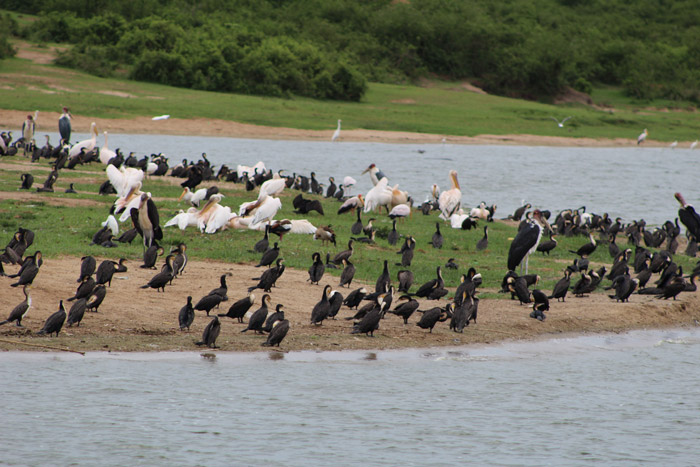
Murchison Falls National Park – Safari Overview Murchison Falls National Park, located in northwestern Uganda,…
Uganda Safari vs India Safari: Exotic Comparison
Uganda Safari vs India Safari: Exotic Comparison
The debate between Uganda safari and India safari continues to attract global travelers searching for truly wild, immersive, and culturally rich nature experiences. Both destinations offer extraordinary biodiversity, iconic wildlife encounters, and landscapes that feel untouched and authentic. Yet, they differ significantly in atmosphere, species diversity, travel style, and overall safari philosophy.
For travelers planning an African or Asian wildlife journey, understanding the contrast between a Uganda safari and an India safari is essential in choosing the right adventure. This comparison explores wildlife, scenery, safari activities, costs, accessibility, and the emotional experience each destination delivers.
Uganda Safari: The Heart of Wild Africa
A Uganda safari represents one of Africa’s most diverse and emotionally powerful wildlife experiences. Often called the “Pearl of Africa,” Uganda combines savannah plains, tropical rainforests, volcanic mountains, and vast lakes within a relatively compact space. This diversity creates a safari experience that is both dramatic and intimate.
Uganda is globally recognized for primates, especially mountain gorilla trekking in Bwindi Impenetrable Forest and chimpanzee tracking in Kibale Forest. However, it also offers classic Big Five encounters in parks such as Murchison Falls and Queen Elizabeth National Park. The mix of rainforest and savannah makes Uganda uniquely versatile compared to most African safari destinations.
A key strength of a Uganda safari is the emotional depth of wildlife encounters. Trekking through dense jungle to meet gorillas in their natural habitat is not just sightseeing—it is a deeply immersive conservation experience. Combined with boat safaris on the Nile and game drives across open savannah, Uganda delivers a layered safari journey that few countries can match.

India Safari: The Land of Royal Tigers and Ancient Forests
An India safari is defined by its iconic tiger reserves, diverse ecosystems, and cultural landscapes. India’s national parks such as Ranthambore, Bandhavgarh, Kanha, and Jim Corbett are world-famous for their healthy tiger populations and structured safari systems.
Unlike Africa’s open wilderness, an India safari often takes place in dense forests with carefully managed jeep routes and regulated entry systems. The highlight is almost always the Bengal tiger, one of the most powerful and elusive predators in the world. Alongside tigers, India also offers sightings of leopards, sloth bears, Asiatic elephants, deer species, and hundreds of bird species.
What makes an India safari unique is the blend of wildlife and heritage. Many parks are located near ancient forts, temples, and rural villages, creating a cultural layer that blends seamlessly with wildlife exploration. Safaris here are highly structured, often requiring advance permits and timed entries, which contrasts with Africa’s more flexible safari style.
Wildlife Diversity: Big Five Africa vs Tiger Kingdom India
When comparing wildlife, a Uganda safari offers broader species diversity, while an India safari focuses on apex predator intensity.
Uganda is home to the African Big Five—lion, leopard, elephant, buffalo, and rhino—though rhinos are primarily found at Ziwa Rhino Sanctuary. Beyond these, Uganda stands out for primates. Gorilla trekking in Uganda remains one of the rarest wildlife experiences on earth, with only a few hundred mountain gorillas left globally. Chimpanzees, colobus monkeys, and golden monkeys add further richness.
India, on the other hand, is the kingdom of the Bengal tiger. Sightings of tigers in reserves like Bandhavgarh or Tadoba can be surprisingly frequent compared to other big cat destinations. India also supports the Asiatic elephant population and rare species like the Indian pangolin and gharial crocodile.
In essence, Uganda offers ecological diversity across multiple habitats, while India offers concentrated excitement around a single iconic predator species.

Landscapes and Scenery: Savannah vs Jungle Contrast
A Uganda safari delivers dramatic landscape variation. From the thunderous Murchison Falls where the Nile squeezes through a narrow gorge, to the misty forests of Bwindi and the vast savannahs of Queen Elizabeth National Park, Uganda feels like multiple countries within one destination.
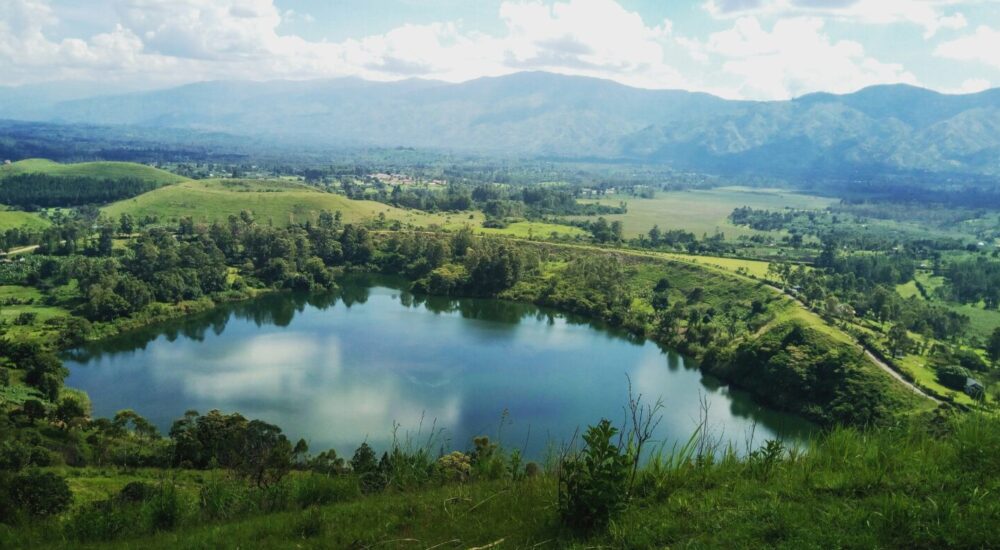
The presence of lakes, wetlands, crater lakes, and tropical forests gives Uganda a cinematic quality. Safaris often combine boat cruises, game drives, and forest trekking in a single itinerary, making it visually dynamic and constantly changing.
An India safari, by contrast, is dominated by dry deciduous forests, grasslands, and monsoon-fed ecosystems. The landscapes are beautiful but more uniform compared to Uganda. The beauty of India lies in its golden light filtering through sal forests and the atmospheric tension of dense jungle habitats where tigers move silently.
Both destinations are visually stunning, but Uganda offers broader ecological contrast while India provides mood-driven, immersive forest scenery.
Signature Safari Experiences
The highlight of a Uganda safari is unquestionably gorilla trekking in Bwindi Impenetrable Forest or Mgahinga Gorilla National Park. This experience places travelers face-to-face with mountain gorillas in a natural rainforest setting. It is physically demanding but emotionally unforgettable.
Uganda also offers Nile boat safaris at Murchison Falls, where hippos, crocodiles, elephants, and buffalo gather along the riverbanks. Chimpanzee tracking in Kibale Forest adds another layer of primate immersion.
In India, the signature experience is the jungle safari in India’s tiger reserves. Early morning jeep safaris increase the chances of spotting tigers moving through misty forest trails. The thrill of tracking fresh pugmarks or hearing alarm calls builds suspense before a possible sighting.
Both destinations excel in different emotional tones—Uganda emphasizes rare primate intimacy, while India focuses on predator anticipation.
Accessibility and Travel Experience
A Uganda safari typically begins in Entebbe or Kampala, followed by domestic flights or long scenic drives to national parks. Roads can be rugged, especially in remote areas, but the journey itself becomes part of the adventure.
Uganda’s tourism infrastructure is improving steadily, with a range of midrange and luxury lodges offering comfort in remote wilderness locations. The experience feels authentic and less commercialized compared to more established safari circuits.
An India safari is generally more structured and accessible. Parks are well-connected by airports and highways, and tourism systems are highly organized. Safari zones are carefully managed, and entry permits are controlled through online booking systems.
India offers smoother logistics, while Uganda offers a more adventurous, off-the-beaten-path travel experience.
Costs and Value for Money
A Uganda safari tends to be more expensive due to gorilla trekking permits, which are among the highest-priced wildlife permits in Africa. However, the overall experience justifies the cost due to its uniqueness and exclusivity.
Accommodation ranges from midrange safari lodges to high-end luxury properties, particularly in Bwindi, Queen Elizabeth, and Murchison Falls regions.
An India safari is generally more affordable. Park entry fees, jeep safaris, and accommodation costs are often lower compared to African safaris. This makes India an attractive option for travelers seeking multiple safari days at a relatively lower budget.
However, Uganda delivers rare wildlife encounters that cannot be replicated elsewhere, making it a high-value experience in terms of uniqueness.
Best Time to Visit
The best time for a Uganda safari is during the dry seasons, typically June to September and December to February. These months offer easier trekking conditions and better wildlife visibility in savannah parks.
For an India safari, the ideal season is October to April. Tiger sightings are especially high in summer months (March to May) when animals gather around water sources due to rising temperatures.
Both destinations are seasonal, but Uganda’s rainforest treks remain possible year-round, though wetter conditions can make hiking more challenging.
Cultural Experience and Human Connection
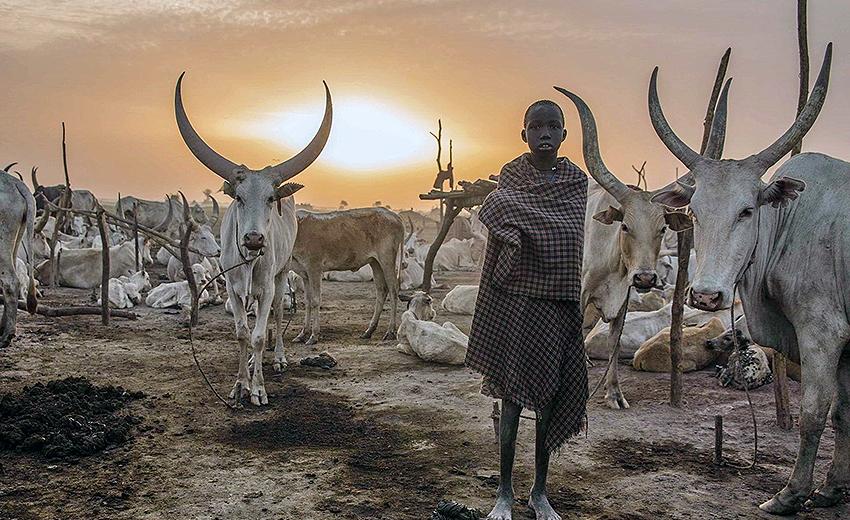
A Uganda safari includes rich cultural interactions with local communities such as the Batwa people near Bwindi or fishing communities along Lake Albert and Lake Victoria. These experiences add depth to the safari, connecting wildlife conservation with human heritage.
An India safari integrates cultural richness differently. Many parks are located near historical towns, temples, and rural villages where traditional lifestyles remain strong. Cultural heritage is deeply woven into the safari journey.
Uganda emphasizes indigenous forest cultures, while India blends ancient civilization with wildlife landscapes.
Conservation and Sustainability
Both destinations play important roles in global conservation.
Uganda has made significant progress in gorilla conservation, with populations slowly recovering due to strict protection and controlled trekking permits. Revenue-sharing programs also support local communities.
India has a strong tiger conservation framework through Project Tiger, which has helped increase tiger populations in several reserves. Strict protection laws and monitoring systems are central to India’s conservation success.
A Uganda safari often feels more conservation-immersive, while an India safari reflects structured wildlife management at scale.
Uganda Safari vs India Safari: Which Should You Choose?
Choosing between a Uganda safari and an India safari depends on the type of wildlife experience you want.
If you seek rare primate encounters, rainforest trekking, and diverse ecosystems combined with Big Five sightings, Uganda offers a deeply varied and emotional safari journey.
If your priority is high-frequency tiger sightings, structured safari systems, and culturally integrated wildlife tourism, India provides a thrilling and accessible jungle safari experience.
Many seasoned travelers eventually explore both, as each destination represents a completely different expression of wilderness.
Safari Planning with Experts
For travelers interested in exploring Uganda’s wilderness, especially gorilla trekking, Big Five safaris, and Nile experiences, curated itineraries make a significant difference. Professional planning ensures seamless transitions between parks like Bwindi, Queen Elizabeth, Kibale, and Murchison Falls.
Monumental Expeditions and Safaris specializes in designing immersive East African safari experiences that connect wildlife, culture, and landscape in one journey. More safari inspiration and destination guides can be explored at www.gorillatrackings.com.
Related Posts