Bwindi Gorilla Families: Names, Sizes & Trekking Difficulty
Bwindi Gorilla Families: Names, Sizes & Trekking Difficulty
Overview
Understanding Bwindi gorilla families names sizes trekking difficulty is one of the most important steps in planning a successful gorilla trekking safari in Uganda. Bwindi Impenetrable National Park hosts the largest population of habituated mountain gorillas in the world, spread across multiple trekking sectors.
Each gorilla family has its own structure, size, movement patterns, and territory, which directly influences trekking difficulty and overall experience. Some families live closer to the park edges, making them easier to track, while others move deeper into dense forest and steep terrain, creating a more challenging adventure.
This guide explores the major gorilla families in Bwindi, explains how group size affects the encounter, and breaks down trekking difficulty to help you choose the best experience with Monumental Expeditions and Safaris.
Understanding Gorilla Families in Bwindi
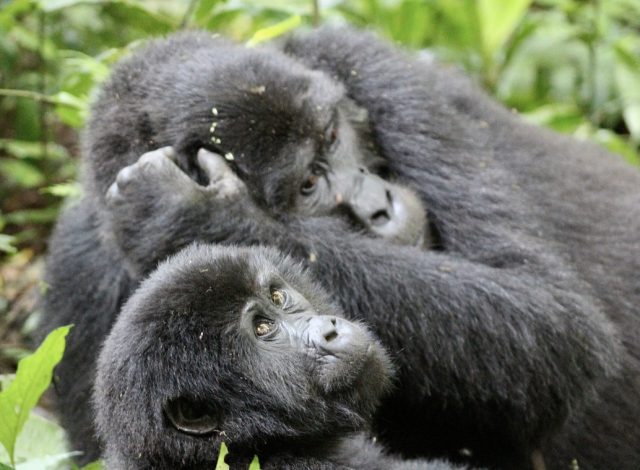
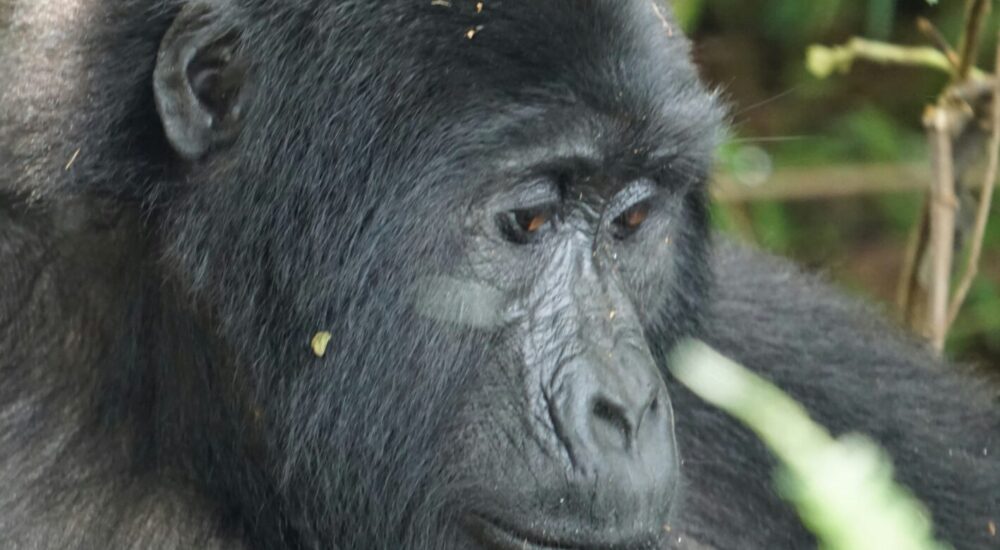
A gorilla family, also known as a troop, consists of a dominant silverback, adult females, juveniles, and infants. The silverback leads the group, protects members, and determines daily movement patterns.
In Bwindi Impenetrable National Park, over 20 habituated gorilla families are available for tourism. Each family is carefully monitored by trackers who locate them daily before visitors begin their trek.
The composition of these families changes over time as new members are born, individuals move between groups, or younger males form their own families.
Buhoma Sector Gorilla Families
Buhoma is home to some of the oldest and most well-known Bwindi gorilla families. The Mubare family was the first to be habituated for tourism and remains historically significant. Habinyanja and Rushegura families are also popular in this sector.
Mubare is often smaller in size compared to other families, which can make interactions feel more intimate. Rushegura tends to be larger and more dynamic, offering engaging observations of group behavior.
Trekking difficulty in Buhoma is generally moderate, though it varies depending on where the gorillas move on a given day. Some treks are relatively short, while others can take several hours.
Ruhija Sector Gorilla Families
Ruhija offers a quieter experience with fewer visitors and a more exclusive feel. Notable Bwindi gorilla families names in this sector include Bitukura, Oruzogo, and Kyaguriro.
Oruzogo is known for its playful juveniles, making it a favorite among photographers and families. Bitukura has a calm and stable structure, while Kyaguriro is often associated with research and conservation efforts.
The terrain in Ruhija is higher in altitude, which can make trekking moderately challenging. However, the cooler climate and fewer crowds enhance the overall experience.
Rushaga Sector Gorilla Families
Rushaga has the highest number of Bwindi gorilla families, making it the best sector for permit availability. Families such as Nshongi, Mishaya, Bweza, Kahungye, and Busingye are found here.
Nshongi is one of the largest gorilla families ever habituated, offering a rich and dynamic encounter. Mishaya, formed after splitting from Nshongi, provides insight into gorilla social behavior and group formation.
Rushaga also hosts families used for the gorilla habituation experience, where visitors spend extended time observing semi-habituated gorillas.
Trekking difficulty in Rushaga varies widely. Some families are located closer to the park edge, while others require longer hikes through steep terrain.
Nkuringo Sector Gorilla Families
Nkuringo is known for its rugged terrain and scenic views. The Nkuringo and Bushaho families are the main Bwindi gorilla families in this sector.
Nkuringo family is well established and offers a rewarding encounter after a challenging trek. Bushaho often ranges across hilly landscapes, creating a more adventurous tracking experience.
Trekking in Nkuringo is considered the most physically demanding due to steep slopes and high elevations. However, the exclusivity and breathtaking scenery make it a favorite for experienced trekkers.
Gorilla Family Sizes and What They Mean
Understanding Bwindi gorilla families sizes helps set expectations for your trekking experience.
Smaller families, with fewer individuals, often provide a more intimate and focused encounter. You may spend more time observing specific interactions and individual behaviors.
Larger families offer a more dynamic experience. With multiple gorillas moving, playing, and interacting, the scene feels more active and immersive.
The size of the family does not affect the quality of the experience but changes the type of interaction you will have during your one-hour visit.
How Gorilla Family Location Affects Trekking Difficulty
The most important factor in Bwindi gorilla trekking difficulty is not the family itself but its location on the day of your trek.
Gorillas move freely within their territory, which means their position changes daily. A family that was close to the starting point one day may move deeper into the forest the next.
Trackers locate the gorillas early in the morning and communicate their position to guides. This determines how long and challenging your trek will be.
Some treks can take one to two hours, while others may extend to five or more hours depending on distance and terrain.
Matching Gorilla Families to Visitor Fitness
Rangers at Bwindi play a key role in ensuring a suitable experience for every visitor. During the morning briefing, guests are assigned to Bwindi gorilla families based on fitness level, age, and preference.
Visitors who prefer shorter treks are often allocated to families located closer to the park edge. More adventurous travelers may be assigned to groups that require longer hikes.
This system ensures that everyone can enjoy the experience regardless of physical ability.
Gorilla Habituation Families in Bwindi
In addition to standard trekking families, Bwindi offers a gorilla habituation experience in the Rushaga sector. This involves visiting a family that is still undergoing the habituation process.
These families are less accustomed to human presence, which creates a more raw and unpredictable experience. Visitors spend up to four hours observing their behavior.
For more details, explore:
Gorilla Habituation Experience Permit: Everything You Need to Know
Choosing the Right Sector for Your Trek
Selecting the right sector is closely linked to understanding Bwindi gorilla families names sizes trekking difficulty.
Buhoma offers accessibility and a classic experience, Ruhija provides quiet and exclusivity, Rushaga offers flexibility and variety, while Nkuringo delivers adventure and scenery.
For a deeper comparison, explore:
Bwindi Impenetrable Forest: Buhoma vs Ruhija vs Rushaga vs Nkuringo
This helps you align your choice with your travel style.
Permit Availability and Gorilla Families
The number of Bwindi gorilla families directly affects permit availability. Sectors with more families, such as Rushaga, offer more permits per day, making it easier to secure bookings.
Understanding this relationship helps you plan effectively, especially during peak travel seasons.
For more insights, explore:
How Many Gorilla Trekking Permits Are Issued Per Day?
What to Expect During Your Gorilla Encounter
Regardless of the family you visit, the moment you come face to face with mountain gorillas is unforgettable. Watching a silverback observe his surroundings, seeing mothers care for their infants, and witnessing playful juveniles creates a powerful connection.
The one-hour interaction feels both intense and peaceful, offering a rare glimpse into the lives of these endangered primates.
Every family offers a unique experience, shaped by its size, composition, and behavior.
Planning Your Bwindi Gorilla Trekking Safari
Understanding Bwindi gorilla families names sizes trekking difficulty allows you to make informed decisions when planning your safari. It helps you choose the right sector, prepare for trekking conditions, and set realistic expectations.
Monumental Expeditions and Safaris provides expert guidance, ensuring that your permit, accommodation, and itinerary are perfectly aligned. Their local knowledge ensures you are matched with the best possible trekking experience based on your preferences.
Visit Monumental Expeditions and safaris to explore tailored safari options, check permit availability, and start planning your journey into Bwindi Impenetrable Forest.
Your encounter with mountain gorillas is shaped not just by the destination, but by the family you meet, the path you take, and the experience you create along the way.
Related Posts