African Parks Rewilds 2,000 White Rhinos in Historic Conservation Move In a groundbreaking move hailed…
African Safari Wildlife Migration Experiences
African Safari Wildlife Migration Experiences: Nature’s Greatest Spectacle
Africa offers some of the most extraordinary wildlife encounters on Earth, but few compare to the drama, scale, and beauty of African safari wildlife migration experiences. Every year, millions of animals move across vast landscapes in search of fresh grazing land, water, and safe breeding grounds. These migrations are not only breathtaking to witness but also showcase the raw power of nature and survival.
For travelers seeking unforgettable safari adventures, witnessing a migration is often considered the ultimate bucket-list experience. With Monumental Expeditions and Safaris, visitors can enjoy expertly guided migration safaris across East Africa’s most famous wildlife destinations.
Understanding African Wildlife Migration
Wildlife migration safaris in Africa revolve around the seasonal movement of animals following rainfall patterns and food availability. These journeys involve thousands — sometimes millions — of animals traveling across savannahs, rivers, wetlands, and forests.
Migration is driven by survival instincts. Herbivores move in search of fresh grazing areas, while predators follow the migrating herds for hunting opportunities. This natural cycle creates a thrilling safari spectacle filled with dramatic river crossings, predator-prey interactions, and remarkable wildlife photography moments.
The Great Wildebeest Migration: Africa’s Most Famous Wildlife Movement
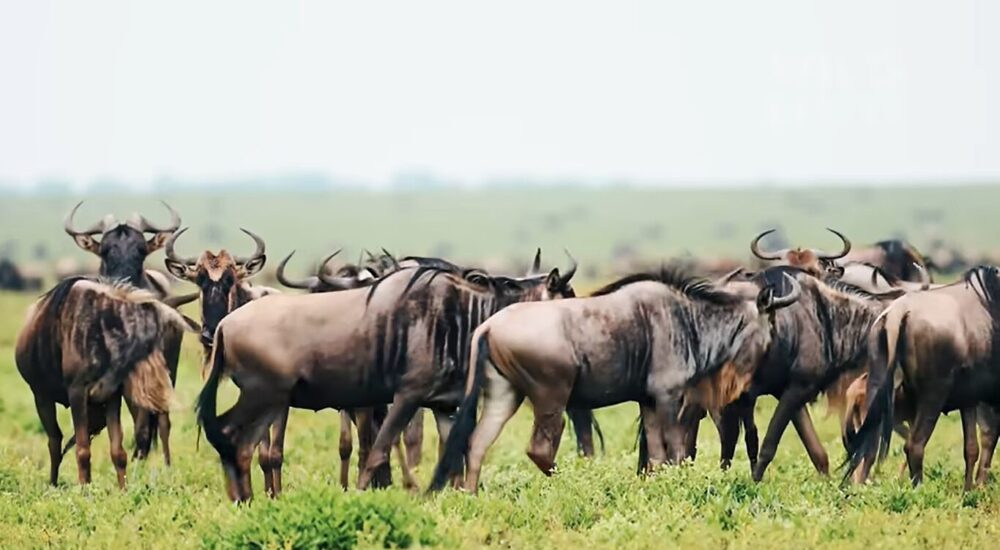
The Great Wildebeest Migration is widely regarded as the greatest wildlife migration on the planet. Each year, over 1.5 million wildebeests, accompanied by hundreds of thousands of zebras and gazelles, migrate across the plains of Tanzania and Kenya.
Migration Route Overview
The migration follows a circular route between Tanzania’s Serengeti ecosystem and Kenya’s Masai Mara. The animals move continuously throughout the year, making timing crucial when planning a Serengeti migration safari.
Key Migration Stages
Calving Season (January – March)
During this period, the southern Serengeti becomes the breeding ground for wildebeests. Thousands of calves are born daily, attracting predators such as lions, cheetahs, and hyenas. This is an excellent time for visitors interested in witnessing predator action and newborn wildlife.
Movement Towards Western Corridor (April – June)
As rainfall decreases, herds begin moving north toward fresh grazing areas. Safari visitors can enjoy incredible herd sightings as animals move in massive columns across the savannah.
Grumeti River Crossings (May – July)
The herds encounter the Grumeti River, where crocodiles and predators create dramatic wildlife encounters. This stage offers spectacular photography opportunities during wildlife migration safaris in Africa.
Masai Mara River Crossings (July – October)
The iconic Mara River crossings are the highlight of most migration safaris. Thousands of wildebeests leap into crocodile-infested waters while predators wait on the riverbanks. This is considered the peak time for Masai Mara migration tours.
Return to Serengeti (November – December)
After grazing in Kenya, herds gradually return south to Tanzania as rains begin again, completing the migration cycle.
Other Incredible Wildlife Migration Experiences in Africa
While the Great Wildebeest Migration dominates safari headlines, Africa offers many other fascinating migration experiences.
Zambia’s Bat Migration
One of the largest mammal migrations occurs in Zambia, where millions of fruit bats gather annually in Kasanka National Park. This migration attracts predators and offers unique safari photography opportunities.
Botswana’s Zebra Migration
Botswana hosts Africa’s longest zebra migration, where herds travel between the Okavango Delta and Makgadikgadi Pans. This lesser-known migration provides exceptional safari experiences without large tourist crowds.
Bird Migration Safaris
Africa also hosts remarkable bird migrations. Millions of migratory birds travel between Europe and Africa annually, making birding safaris particularly rewarding in Uganda, Kenya, and Tanzania.
Travelers interested in bird watching can combine migration safaris with primate experiences such as gorilla trekking by exploring travel packages, here.
Uganda’s Unique Wildlife Migration Experiences
Although Uganda is best known for gorilla trekking, it also offers exciting seasonal wildlife movements. National parks such as Queen Elizabeth National Park and Murchison Falls National Park experience seasonal animal movements influenced by rainfall and vegetation growth.
Uganda Kob Migration
The Uganda kob moves seasonally within protected areas, attracting predators such as lions and leopards. These movements create excellent opportunities for game viewing.
Elephant and Buffalo Seasonal Movements
Large herbivores in Uganda migrate locally between wet and dry season grazing areas. Visitors can witness impressive herd movements during game drives.
Travelers can combine migration experiences with chimpanzee trekking or gorilla trekking through customized safaris, Here.
Best Time to Experience African Safari Wildlife Migration
Timing plays a crucial role in planning African safari wildlife migration experiences. Each migration follows seasonal rainfall patterns, meaning wildlife movements vary throughout the year.
East Africa Migration Calendar
| Month | Location | Highlights |
|---|---|---|
| January – March | Southern Serengeti | Calving season |
| April – June | Central Serengeti | Herd movement |
| July – October | Masai Mara | River crossings |
| November – December | Serengeti | Return migration |
Booking safaris during peak migration periods ensures visitors experience the most dramatic wildlife encounters.
Why Choose Migration Safaris in East Africa?
East Africa offers unmatched migration safari experiences due to its diverse ecosystems, abundant wildlife, and world-class safari infrastructure.
Incredible Wildlife Diversity
Migration safaris feature not only wildebeests and zebras but also lions, cheetahs, crocodiles, elephants, and numerous bird species.
Exceptional Photography Opportunities
The massive herds, river crossings, and predator interactions create extraordinary wildlife photography moments.
Cultural Experiences
Migration safaris also provide opportunities to interact with indigenous communities such as the Maasai and Batwa people.
Visitors can explore cultural and wildlife tours through Monumental Expeditions and safaris.
Types of Migration Safari Experiences
Luxury Migration Safaris
Luxury lodges and tented camps offer comfortable accommodations positioned along migration routes. These safaris provide personalized services, gourmet dining, and exclusive game viewing opportunities.
Budget Migration Safaris
Budget safaris allow travelers to witness migration experiences while staying in affordable lodges or campsites.
Private Guided Safaris
Private safaris provide flexibility, allowing travelers to customize migration viewing schedules and activities.
Combined Safari Packages
Many visitors combine migration safaris with gorilla trekking, chimpanzee tracking, or cultural tours to maximize their African adventure.
What to Expect During a Migration Safari
Visitors can expect early morning and evening game drives, guided wildlife viewing, and incredible photographic opportunities. Migration safaris often involve tracking herd movements, ensuring travelers experience the most active wildlife encounters.
Travelers may also enjoy:
-
Hot air balloon safaris
-
River boat cruises
-
Cultural village tours
-
Walking safaris
-
Bird watching excursions
Travel Tips for African Migration Safaris
Book Early
Migration safaris are highly popular, and accommodations fill quickly during peak seasons. Early booking ensures better availability and pricing.
Pack Proper Safari Gear
Essential items include binoculars, cameras, comfortable clothing, sunscreen, and insect repellent.
Choose Experienced Safari Operators
Professional guides improve wildlife sightings and provide educational insights into animal behavior and conservation.
Monumental Expeditions and Safaris offers experienced guides, customized itineraries, and exceptional customer service for unforgettable migration safaris.
Conservation Importance of Wildlife Migration
Wildlife migrations play a vital role in maintaining ecosystem balance. Migrating animals help distribute nutrients, maintain vegetation growth, and support predator populations.
Tourism generated from migration safaris contributes significantly to wildlife conservation efforts. Revenue supports national parks, anti-poaching initiatives, and community development programs.
Travelers choosing ethical safari operators help protect Africa’s wildlife heritage while supporting sustainable tourism.
Why Book African Migration Safaris with Monumental Expeditions and Safaris?
Monumental Expeditions and Safaris specializes in tailor-made migration safari experiences across East Africa. Their professional guides, luxury accommodations, and personalized travel planning ensure exceptional safari adventures.
Benefits of Booking with Monumental Expeditions
-
Customized safari itineraries
-
Experienced local guides
-
Luxury and budget safari options
-
Reliable transportation and logistics
-
Exceptional customer service
Start Planning Your African Wildlife Migration Experience Today
Witnessing African safari wildlife migration experiences is one of the most unforgettable adventures available to travelers. From massive wildebeest herds crossing crocodile-filled rivers to predators hunting across golden savannahs, migration safaris showcase nature’s most spectacular moments.
Whether you dream of witnessing the Great Wildebeest Migration or exploring Uganda’s seasonal wildlife movements, Monumental Expeditions and Safaris provides expertly crafted safari experiences tailored to your interests
Related Posts