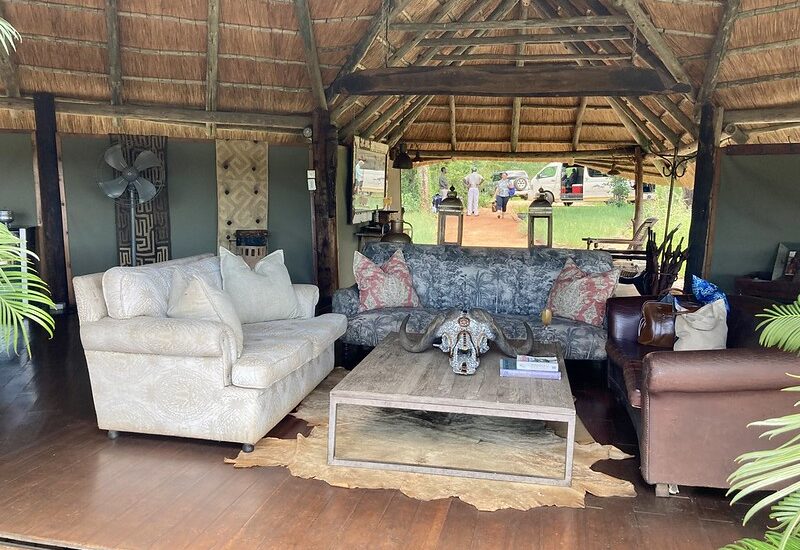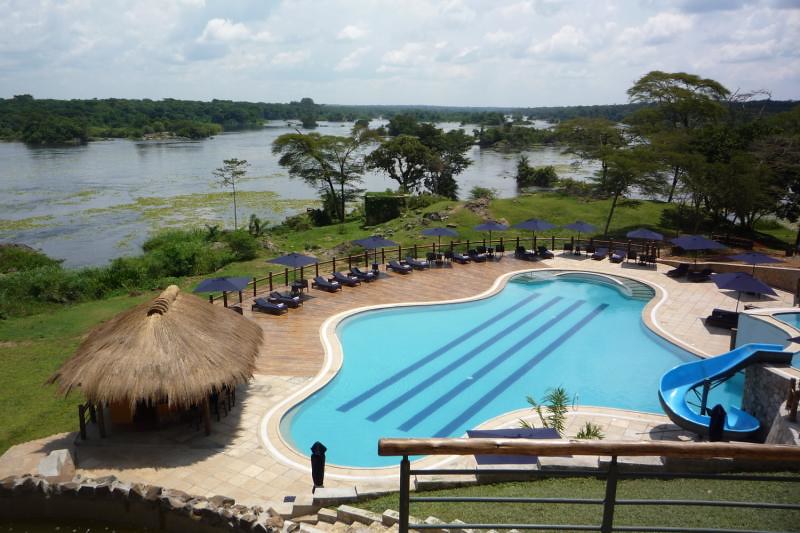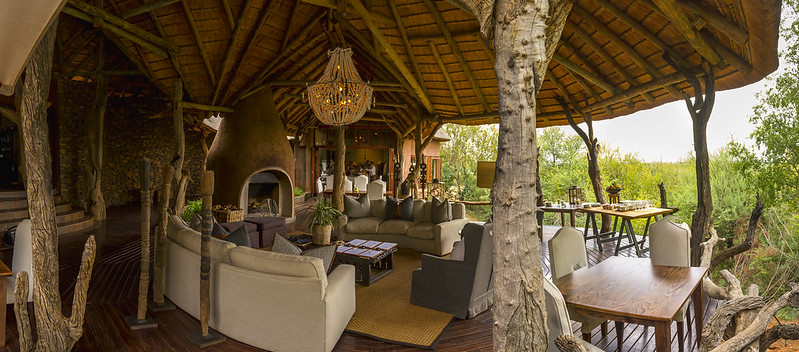
Top 10 Best Luxury Hwange Safari Lodges & Camps Hwange National Park, Zimbabwe's largest and…
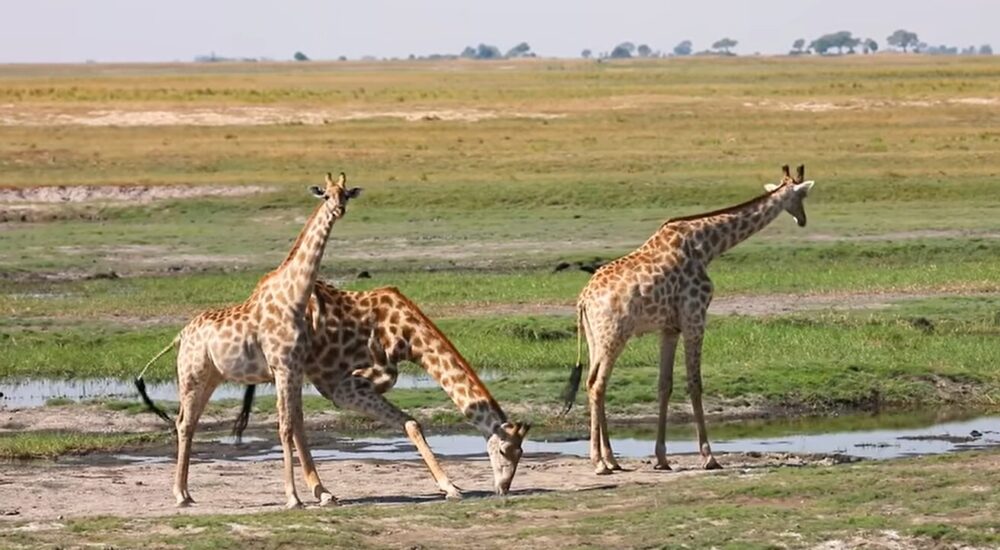
The Future of African Safaris
The Future of African Safaris: A New Era of Wildlife Exploration
The future of African safaris is entering an exciting transformation as travel trends evolve, technology advances, and conservation becomes a global priority. For decades, African safaris have offered travelers the chance to experience incredible wildlife, breathtaking landscapes, and rich cultural heritage. However, modern safari experiences are becoming more innovative, sustainable, and personalized than ever before.
At Monumental Expeditions and Safaris, we continuously adapt to emerging travel trends to provide travelers with unforgettable safari adventures while supporting conservation and community development. The next generation of safaris promises to combine luxury, sustainability, and advanced technology, creating exceptional travel experiences across Africa.
Why African Safaris Are Evolving
Safari tourism has grown significantly over the past decade, attracting travelers seeking authentic and environmentally responsible travel experiences. Several factors are shaping the African safari trends that will define the future of wildlife tourism.
Rising Demand for Sustainable Travel
Modern travelers are increasingly choosing destinations that prioritize wildlife protection and environmental conservation. Sustainable safari tourism helps preserve natural ecosystems while supporting local communities.
Growth of Luxury and Personalized Safaris
Luxury travel is expanding across Africa, with travelers seeking customized itineraries, private game drives, and exclusive wildlife encounters.
Technological Innovations
Technology is transforming safari experiences through digital tracking, virtual planning tools, and advanced wildlife monitoring systems.
Sustainable African Safaris: The Core of Future Travel
Sustainability is becoming the foundation of the future of African safaris. Many safari operators and national parks are implementing eco-friendly initiatives to protect wildlife habitats and reduce tourism impact.
Eco-Friendly Safari Lodges
Modern safari lodges are increasingly using renewable energy, solar power, and water conservation systems. Sustainable lodge design helps protect natural landscapes while offering travelers comfortable accommodation.
Wildlife Conservation Partnerships
Safari tourism revenue directly supports conservation programs, anti-poaching initiatives, and habitat restoration projects across Africa.
Bwindi Impenetrable National Park
Bwindi is a leading example of conservation success through tourism. Gorilla trekking permits generate funding for mountain gorilla protection and community development, demonstrating how responsible tourism can protect endangered species.
Technology Shaping the Future of African Safaris
Technology is playing a major role in modern safari experiences, making wildlife tourism safer, more educational, and more accessible.
Digital Wildlife Tracking
Advanced tracking systems allow guides to locate animals responsibly without disturbing natural behaviors. GPS technology helps safari guides provide better wildlife viewing experiences.
Virtual Safari Planning
Travelers can now explore safari destinations through virtual tours and interactive trip planning tools before booking their journeys.
Smart Safari Vehicles
Modern safari vehicles include communication technology, photography support equipment, and advanced navigation tools, enhancing traveler comfort and safety.
Luxury Safari Travel: Redefining African Adventures
Luxury travel is rapidly shaping the luxury safari travel Africa market. Today’s safari travelers expect high-end experiences that combine adventure with comfort.
Private Safari Experiences
Travelers increasingly prefer private game drives, personalized guides, and flexible itineraries.
High-End Safari Lodges
Luxury lodges provide world-class dining, spa services, and exclusive wildlife viewing locations while maintaining environmental sustainability.
Serengeti National Park
The Serengeti has become a leader in luxury safari experiences, offering travelers exclusive accommodations alongside spectacular wildlife viewing opportunities such as the Great Migration.
Community-Based Tourism and Cultural Experiences
The future of safari travel emphasizes meaningful cultural interactions. Community-based tourism helps local populations benefit from wildlife conservation while providing travelers authentic cultural experiences.
Supporting Local Communities
Safari tourism creates employment opportunities and supports community education, healthcare, and infrastructure development.
Cultural Safari Experiences
Travelers can participate in traditional village visits, cultural dances, and heritage tours that enrich safari experiences.
Maasai Mara National Reserve
The Maasai Mara offers exceptional opportunities for cultural engagement with Maasai communities, allowing visitors to learn about traditional lifestyles while supporting community conservation programs.
Conservation-Driven Safari Tourism
Wildlife conservation remains one of the most significant drivers shaping the African wildlife conservation safaris sector. National parks and private reserves are collaborating with safari operators to protect endangered species.
Anti-Poaching Initiatives
Tourism funding supports ranger training, wildlife monitoring, and anti-poaching patrols across Africa.
Habitat Restoration Programs
Many safari destinations are investing in ecosystem restoration to support wildlife populations and maintain biodiversity.
Okavango Delta
The Okavango Delta is globally recognized for sustainable tourism practices that protect wetlands and wildlife habitats while offering exceptional safari experiences.
Adventure Safaris and Emerging Travel Trends
Adventure tourism is expanding rapidly across Africa, offering travelers unique safari experiences beyond traditional game drives.
Walking Safaris
Guided walking safaris allow travelers to experience wildlife habitats up close while learning about ecosystems and tracking animals on foot.
Night Safaris
Night game drives provide opportunities to observe nocturnal wildlife species rarely seen during daytime safaris.
Birdwatching and Photography Safaris
Specialized safari tours attract birdwatchers and wildlife photographers seeking unique wildlife encounters.
Multi-Country African Safaris: Expanding Travel Opportunities
The future of African safaris includes cross-border travel experiences that allow visitors to explore multiple ecosystems and wildlife regions in one journey. Multi-country safaris combine gorilla trekking, savannah game drives, and cultural tours for comprehensive travel experiences.
Popular combinations include:
-
Uganda and Rwanda gorilla trekking
-
Kenya and Tanzania Great Migration safaris
-
Botswana and South Africa luxury safaris
The Role of Responsible Tourism in Safari Travel
Responsible tourism is becoming essential in protecting Africa’s wildlife and ecosystems. Travelers are encouraged to choose safari operators that follow ethical tourism guidelines.
Ethical Wildlife Viewing
Responsible safari operators ensure animals are observed without disturbing their natural habitats.
Eco-Friendly Travel Practices
Travelers are encouraged to reduce plastic use, support conservation projects, and respect local cultures during safari experiences.
Challenges Facing the Future of African Safaris
Despite positive growth, safari tourism faces several challenges.
Climate Change
Changing weather patterns affect wildlife migration and habitat stability across Africa.
Over-Tourism Concerns
Popular safari destinations must balance tourism growth with wildlife conservation and ecosystem protection.
Infrastructure Development
Improved transportation and accommodation infrastructure are essential for sustainable safari tourism expansion.
Monumental Expeditions and Safaris works closely with conservation partners to ensure safari tourism remains environmentally responsible and sustainable.
The Future Safari Traveler: What to Expect
The next generation of safari travelers is expected to prioritize:
-
Personalized travel experiences
-
Conservation-focused tourism
-
Digital travel planning tools
-
Authentic cultural interactions
-
Luxury eco-friendly accommodations
Safari tourism will continue evolving to meet these expectations while protecting Africa’s wildlife heritage.
Why Choose Monumental Expeditions and Safaris
Travelers choosing Monumental Expeditions and Safaris benefit from:
-
Customized safari itineraries
-
Experienced professional safari guides
-
Luxury and budget safari options
-
Conservation-focused travel planning
-
Multi-country safari expertise
Our team ensures every traveler experiences Africa’s wildlife responsibly and comfortably.
Start planning your safari today, here.
Conclusion
The future of African safaris is brighter than ever as tourism continues to evolve through sustainability, technological innovation, and conservation-driven travel experiences. From luxury eco-lodges and digital wildlife tracking to community-based tourism and adventure safaris, Africa is redefining wildlife tourism for the modern traveler.
With its unmatched biodiversity, cultural richness, and commitment to conservation, Africa will remain one of the world’s most extraordinary safari destinations for generations to come.
Monumental Expeditions and Safaris invites travelers to explore Africa’s wildlife while supporting sustainable tourism and conservation initiatives
Related Posts