How Much Does It Cost to See Mountain Gorillas in Congo? Mountain gorilla trekking in…
African Safari Travel Safety Tips
African Safari Travel Safety Tips
African safaris are among the most thrilling and life-changing travel experiences in the world. From witnessing lions roaming the savannah to tracking mountain gorillas in dense tropical forests, Africa offers extraordinary wildlife encounters that attract millions of travelers each year. While these adventures are generally safe, understanding essential African safari travel safety tips ensures your journey remains smooth, enjoyable, and secure.
With safari tourism evolving rapidly in 2026, travelers now have access to better infrastructure, professional guides, and improved conservation regulations. However, preparation and awareness remain crucial. This guide explains everything you need to know about safe safari travel in Africa, covering wildlife safety, health precautions, transportation security, cultural awareness, and planning strategies.
Why Safari Safety Matters in 2026
Travelers today seek immersive and authentic safari experiences. Activities such as walking safaris, boat safaris, gorilla trekking, and cultural visits bring visitors closer to nature and local communities than ever before. While these activities offer unforgettable memories, they also require strict adherence to safari safety guidelines.
Professional operators like Monumental Expeditions and Safaris ensure visitors follow international safety standards while providing expertly guided wildlife tours across East and Central Africa. Choosing reputable operators significantly reduces risks while enhancing your safari experience.
Understanding Wildlife Safety Rules
Wild animals behave unpredictably, even in protected parks. Respecting wildlife is the most important aspect of wildlife safari safety rules.
Maintain Safe Distance from Animals
Always follow your guide’s instructions regarding distance from animals. Getting too close can provoke wildlife and create dangerous situations. Animals such as elephants, buffaloes, and big cats can react aggressively if they feel threatened.
Professional guides understand animal behavior and ensure safe positioning during game drives. Staying inside safari vehicles unless instructed otherwise is a key African safari travel safety tip.
Avoid Sudden Movements and Loud Noise
Wild animals are sensitive to sudden movements and loud sounds. Always remain calm and quiet during wildlife sightings. Flash photography should be avoided as it may disturb animals, especially nocturnal species.
Never Feed Wildlife
Feeding wild animals changes their natural behavior and can make them aggressive toward humans. Responsible tourism protects animals and preserves ecosystems for future generations.
Health and Medical Safety During Safaris
Health preparation plays a vital role in African safari health and safety. Many safari destinations are remote, making prevention essential.
Get Required Vaccinations
Consult your doctor several weeks before traveling. Common recommended vaccinations for safari travelers include:
-
Yellow fever
-
Hepatitis A and B
-
Typhoid
-
Tetanus
Some countries require proof of yellow fever vaccination upon entry, making it an essential part of safari travel precautions 2026.
Protect Yourself from Mosquito-Borne Diseases
Mosquitoes can carry malaria and other diseases in certain regions. Protect yourself by:
-
Using insect repellent with DEET
-
Wearing long-sleeved clothing in the evening
-
Sleeping under mosquito nets
-
Taking prescribed antimalarial medication if required
Stay Hydrated and Sun-Protected
Safari environments often involve intense sun exposure. Dehydration and sunburn are common among travelers unfamiliar with African climates.
Carry reusable water bottles, wear wide-brim hats, and apply sunscreen regularly to maintain safety during outdoor activities.
Choosing Safe Safari Accommodation
Accommodation standards significantly influence safe safari travel in Africa. Many safari lodges and camps prioritize guest safety while offering luxury and comfort.
Look for Licensed Safari Lodges
Choose lodges that operate under national park regulations and tourism authority standards. Licensed accommodations provide:
-
Trained security personnel
-
Safe wildlife boundaries
-
Emergency medical response plans
-
Professional staff familiar with safety procedures
Follow Lodge Safety Instructions
Safari lodges often sit within wildlife habitats. Guests may encounter animals like antelopes, elephants, or monkeys near accommodations. Always follow staff instructions when walking around camps, especially at night.
Transportation Safety on Safari
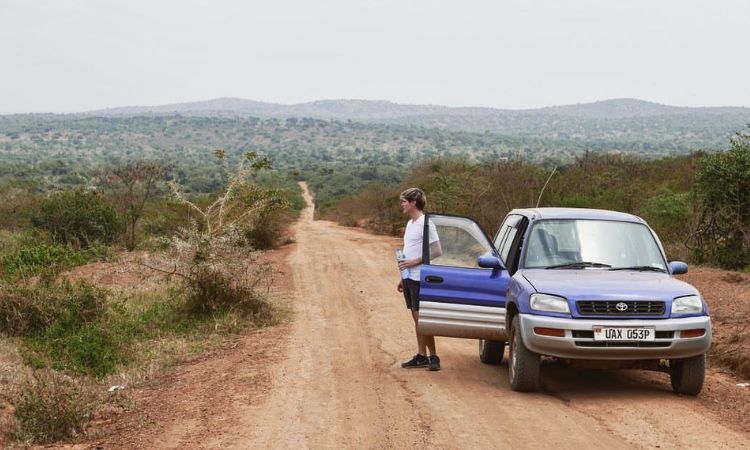
Travel logistics are crucial components of African safari travel advice. Safaris typically involve multiple transportation methods including 4×4 vehicles, domestic flights, and boat transfers.
Use Professional Safari Vehicles
Authorized safari vehicles are designed for rugged terrain and wildlife observation. Features include:
-
Elevated seating for visibility
-
Open or pop-up roofs for photography
-
Communication radios for emergency contact
-
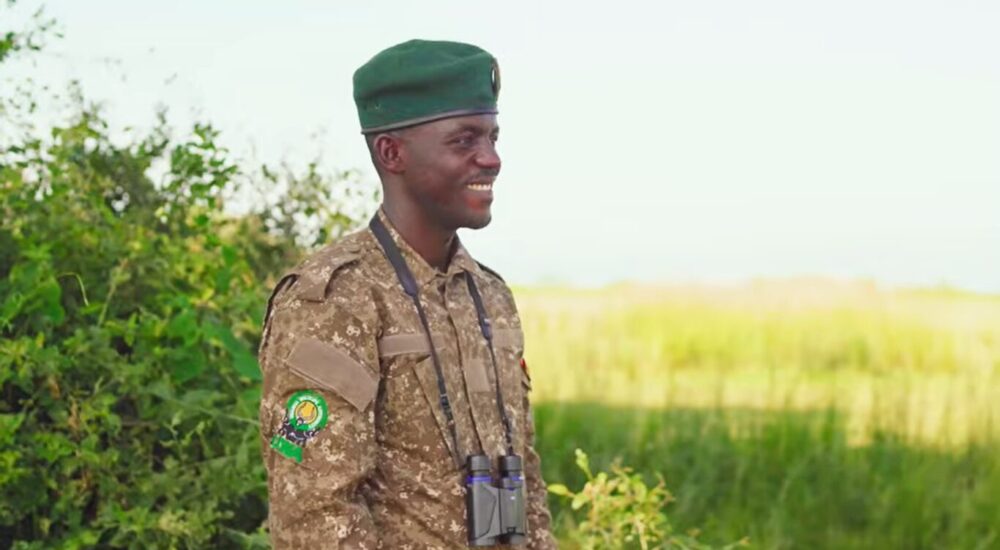
Experienced driver-guides trained in safety procedures
Follow Seatbelt and Vehicle Guidelines
Always wear seatbelts when available. Avoid standing or leaning out of vehicles during game drives, as animals can approach unexpectedly.
Domestic Flight Safety
Many safari destinations require small aircraft transfers to remote airstrips. Reputable operators ensure pilots and aircraft meet international aviation standards, making domestic safari flights safe and efficient.
Cultural and Community Safety Tips
Safaris often include cultural visits that enrich travel experiences. Understanding local customs promotes respectful and safe interactions.
Respect Local Traditions
Dress modestly when visiting villages or towns. Learn basic greetings and cultural etiquette to build positive relationships with local communities.
Ask Permission Before Taking Photos
Many communities value privacy and respect. Always request permission before photographing people or cultural ceremonies.
Responsible cultural engagement is a core element of modern African safari travel safety tips.
Safe Gorilla and Primate Trekking Guidelines
Gorilla trekking remains one of Africa’s most extraordinary wildlife encounters. Because primates share genetic similarities with humans, strict health and safety measures protect both visitors and animals.
Follow Trekking Regulations
Gorilla trekking guidelines typically include:
-
Maintaining a minimum distance from gorillas
-
Limiting visitation time to one hour
-
Wearing masks when required
-
Avoiding trekking if you have flu-like symptoms
These regulations ensure conservation success and protect endangered species.
Explore safe and professionally guided gorilla trekking tours, here.
Personal Security Tips for Safari Travelers
Although most safari destinations are safe, practicing general travel safety enhances your overall experience.
Protect Valuables
Carry only necessary valuables during game drives or excursions. Use lodge safes for passports, extra cash, and expensive electronics.
Avoid Walking Alone at Night
Safari lodges often provide escort services after dark because animals may roam freely around camps. Always request assistance when moving between areas at night.
Keep Emergency Contacts Accessible
Save contact details for:
-
Safari operators
-
Lodge management
-
Travel insurance providers
-
Local emergency services
Having quick access to emergency contacts is an important part of safari safety guidelines.
Travel Insurance: A Must for Safari Safety
Travel insurance is essential for African safari travel precautions 2026. Comprehensive insurance should cover:
-
Medical emergencies
-
Emergency evacuation
-
Trip cancellations
-
Lost luggage
-
Adventure activities such as trekking or boat safaris
Emergency evacuation from remote safari areas can be expensive without insurance coverage.
Seasonal Safety Considerations
Africa experiences varying weather conditions that influence safari safety and comfort.
Dry Season Safety
The dry season offers excellent wildlife viewing but often involves dusty roads and high temperatures. Travelers should:
-
Stay hydrated
-
Use dust protection such as scarves
-
Wear breathable clothing
Rainy Season Safety
The rainy season transforms landscapes into lush green ecosystems but may affect road accessibility. Always travel with experienced guides who understand terrain challenges.
Food and Water Safety on Safari
Food hygiene is generally excellent in reputable safari lodges. However, basic precautions remain essential.
Drink Safe Water
Stick to bottled or filtered water supplied by lodges. Avoid drinking untreated water from unknown sources.
Eat Freshly Prepared Meals
Safari lodges prioritize hygiene and food safety. Avoid consuming street food in unfamiliar areas unless recommended by trusted guides.
Technology and Communication Safety
Modern safaris in 2026 increasingly rely on technology for safety and convenience.
Carry Backup Power Banks
Remote safari camps may have limited electricity hours. Keeping phones and cameras charged ensures communication and safety.
Inform Family About Travel Plans
Share your itinerary with family members before traveling. Professional safari operators typically provide detailed travel schedules, enhancing security.
Environmental Safety and Responsible Tourism
Protecting Africa’s ecosystems supports sustainable tourism and ensures future safari safety.
Follow Park Rules
National parks enforce strict conservation policies. Always remain within designated routes and avoid littering or disturbing wildlife habitats.
Support Eco-Friendly Safari Operators
Eco-conscious operators contribute to conservation, community development, and wildlife protection. Sustainable tourism strengthens long-term safari safety.
Learn about eco-friendly safari packages designed for responsible travelers, here.
Common Safari Safety Mistakes to Avoid
Many first-time travelers unintentionally overlook simple precautions. Avoid these mistakes to improve your safari experience:
-
Ignoring guide instructions during wildlife encounters
-
Packing inappropriate clothing for safari environments
-
Traveling without medical insurance
-
Underestimating weather conditions
-
Walking alone near wildlife habitats
Avoiding these mistakes helps guarantee safe safari travel in Africa.
Why Booking with Experienced Safari Experts Improves Safety
Professional tour operators provide essential safety support including:
-
Licensed safari guides
-
Well-maintained vehicles
-
Emergency evacuation plans
-
Accurate travel planning
-
Knowledge of wildlife behavior
Experienced operators reduce risks while enhancing safari enjoyment.
Plan your safe and unforgettable safari with expert guidance today, here
Preparing for a Safe Safari Adventure in 2026
Planning ahead ensures travelers fully enjoy Africa’s wilderness while staying safe. Travelers should:
-
Research destinations carefully
-
Choose licensed safari companies
-
Follow health and vaccination guidelines
-
Purchase travel insurance
-
Respect wildlife and local communities
Preparation remains the foundation of African safari travel safety tips.
Final Thoughts: Enjoying Africa Safely and Responsibly
African safaris remain among the world’s most rewarding travel experiences. With improved infrastructure, conservation efforts, and professional guiding standards, safaris in 2026 are safer than ever. By following proper safari safety guidelines, travelers can immerse themselves in Africa’s extraordinary wildlife, landscapes, and cultures with confidence.
Safety does not limit adventure—it enhances it. Respecting wildlife, preparing for environmental conditions, and working with trusted safari operators allow travelers to enjoy unforgettable journeys across Africa’s breathtaking destinations
Plan your trip, here.
Related Posts